Blog

  • TEDxFolsom in Folsom: Granite City’s Story

    TEDxFolsom in Folsom: Granite City’s Story

    TEDxFolsom is an independently organized TEDx program that brings speakers and a local audience together around ideas worth spreading. TEDxFolsom in Folsom matters to Granite City and the Folsom community because the chapter’s earliest organizing happened at Granite City in 2021, before Granite City later became an official sponsor of TEDxFolsom REIMAGINE 2023. This is a story about Granite City’s role as a venue host, production home, advisor, and sponsor: not about Granite City running TEDxFolsom’s organization.

    How did Granite City first become involved with TEDxFolsom?

    Granite City became involved during TEDxFolsom’s formative period in 2021, when the founding organizing team held its earliest meetings at Granite City. According to Granite City’s own account, Granite City leadership advised the chapter while the event was taking shape.

    TED's official TEDxFolsom 2021 event record confirms that TEDxFolsom’s first program, themed RE-IMAGINE, took place on November 7, 2021, in Folsom, California. The same record identifies TEDxFolsom as an independently organized TEDx event and lists its official organizing roles separately from Granite City’s local contribution. Kara Edwards is listed as organizer, while Srinivas Modekurty is listed under production.

    That distinction matters. Granite City was not the official organization behind TEDxFolsom. Granite City’s role was local and practical: providing a place for early conversations, serving as the venue and production home for the 2021 program, and offering advice during the chapter’s formative period.

    The early meetings were significant because community programming usually starts before there is an audience, a polished program, or a finished stage. It starts with people working through the first decisions together. Granite City’s account is that TEDxFolsom’s founding organizing team used Granite City for those earliest conversations and that Granite City leadership helped advise the chapter as the first program developed.

    A July 21, 2021, Thrive Global interview with Granite City cofounder Kyle Middleton also referenced “Granite City Event Center being home to TedX Folsom this Fall.” Matthew Loughran wrote the interview; Loughran later became TEDxFolsom’s Executive Director.

    What happened at the first TEDxFolsom program in 2021?

    The first TEDxFolsom program took place in Folsom on November 7, 2021, under the theme RE-IMAGINE, with Granite City serving as the venue and production home according to Granite City’s own account.

    The program brought together a range of speakers for a local TEDx audience. Among the 2021 speakers was Julia A. Nicholson, whose talk, “The Way We Think About Loss and Grief is Dead Wrong”, is published on TED.com.

    Nicholson’s talk gives a useful example of the type of idea the program made available to its audience. TED.com describes the talk as presenting a framework for responding to loss and grief. The talk was presented to a local audience at TEDxFolsom and remains available through TED’s platform.

    For Granite City, the 2021 program represented more than a date on a calendar. It reflected the practical side of community programming: providing a functioning local setting where an organizing team could meet, prepare, and produce a program for the Folsom community.

    That work also fits Granite City’s broader approach to local relationships. In the 2021 Thrive Global interview, Middleton described Granite City’s interest in supporting the local community through connections with organizations, nonprofits, and the regional technology ecosystem. The TEDxFolsom connection grew from that same practical orientation.

    The most accurate description is straightforward: Granite City hosted and supported the early work, while TEDxFolsom remained an independently organized organization with its own official leadership and responsibilities.

    When did Granite City become an official TEDxFolsom sponsor?

    Granite City became an official TEDxFolsom sponsor in 2023, not in 2021. The formal sponsorship was for TEDxFolsom REIMAGINE 2023.

    The timing marks a clear transition in Granite City’s role. In 2021, Granite City was the venue and production home for the first program and an advisor during the formative period. In 2023, Granite City’s support became a formal sponsorship relationship.

    TEDxFolsom’s credential issued to Granite City Coworking on February 28, 2023 identifies Granite City as an “Official TEDxFolsom Sponsor and community member” for TEDxFolsom REIMAGINE 2023. The credential description states that Granite City provided sponsorship for TEDxFolsom REIMAGINE 2023.

    That documentation gives the relationship a specific sequence:

    1. TEDxFolsom’s founding organizing team held early meetings at Granite City in 2021.
    2. Granite City served as venue and production home for the first program, according to Granite City’s own account.
    3. TEDxFolsom later held its first live-audience event at the Harris Center on January 21, 2023.
    4. Granite City became an official sponsor of TEDxFolsom REIMAGINE 2023.

    The sequence is worth preserving because it avoids overstating the relationship. Sponsorship did not begin with the first 2021 program. Granite City’s official sponsorship began with REIMAGINE 2023, after the chapter had moved toward its first live-audience event at the Harris Center.

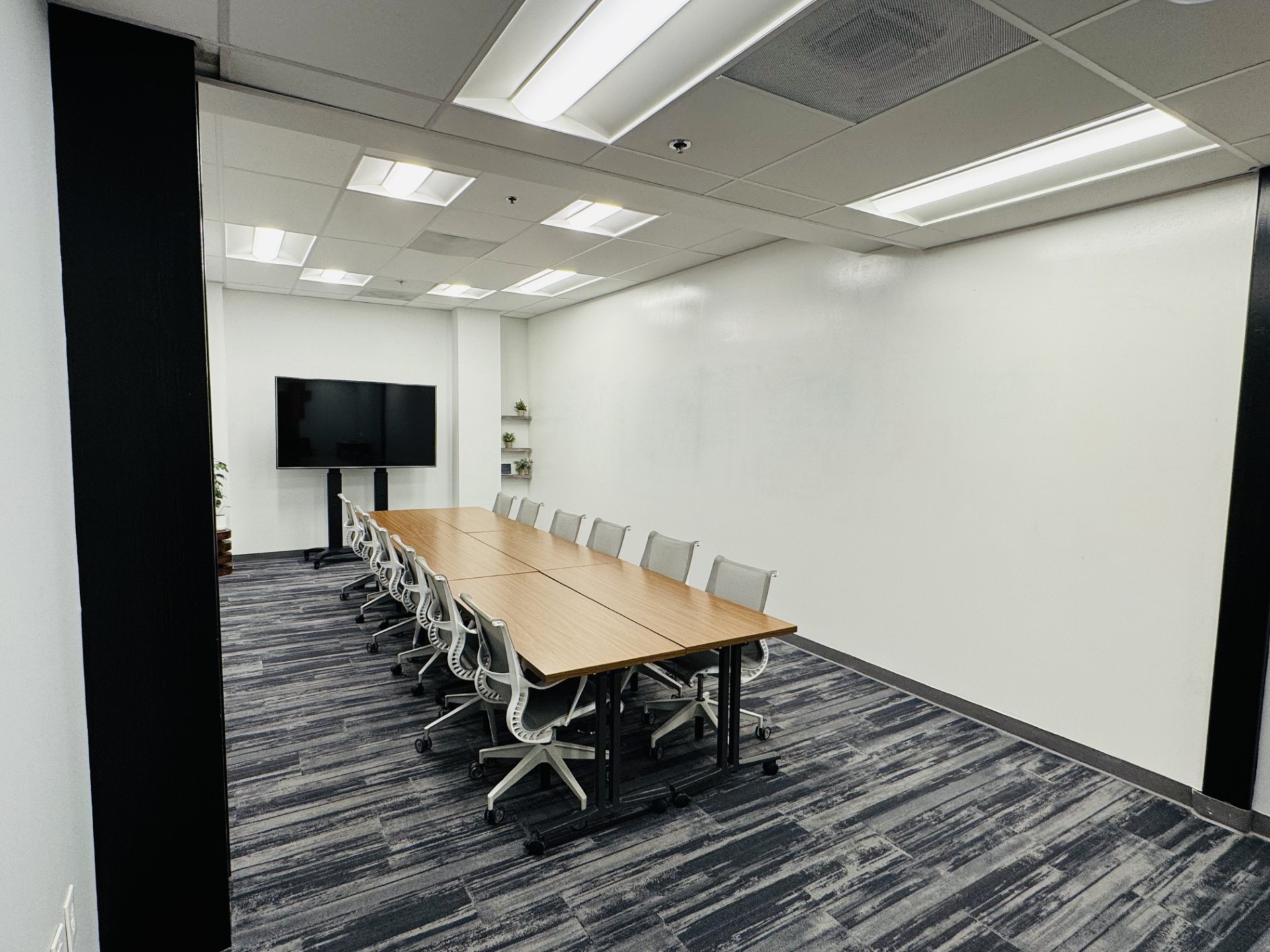
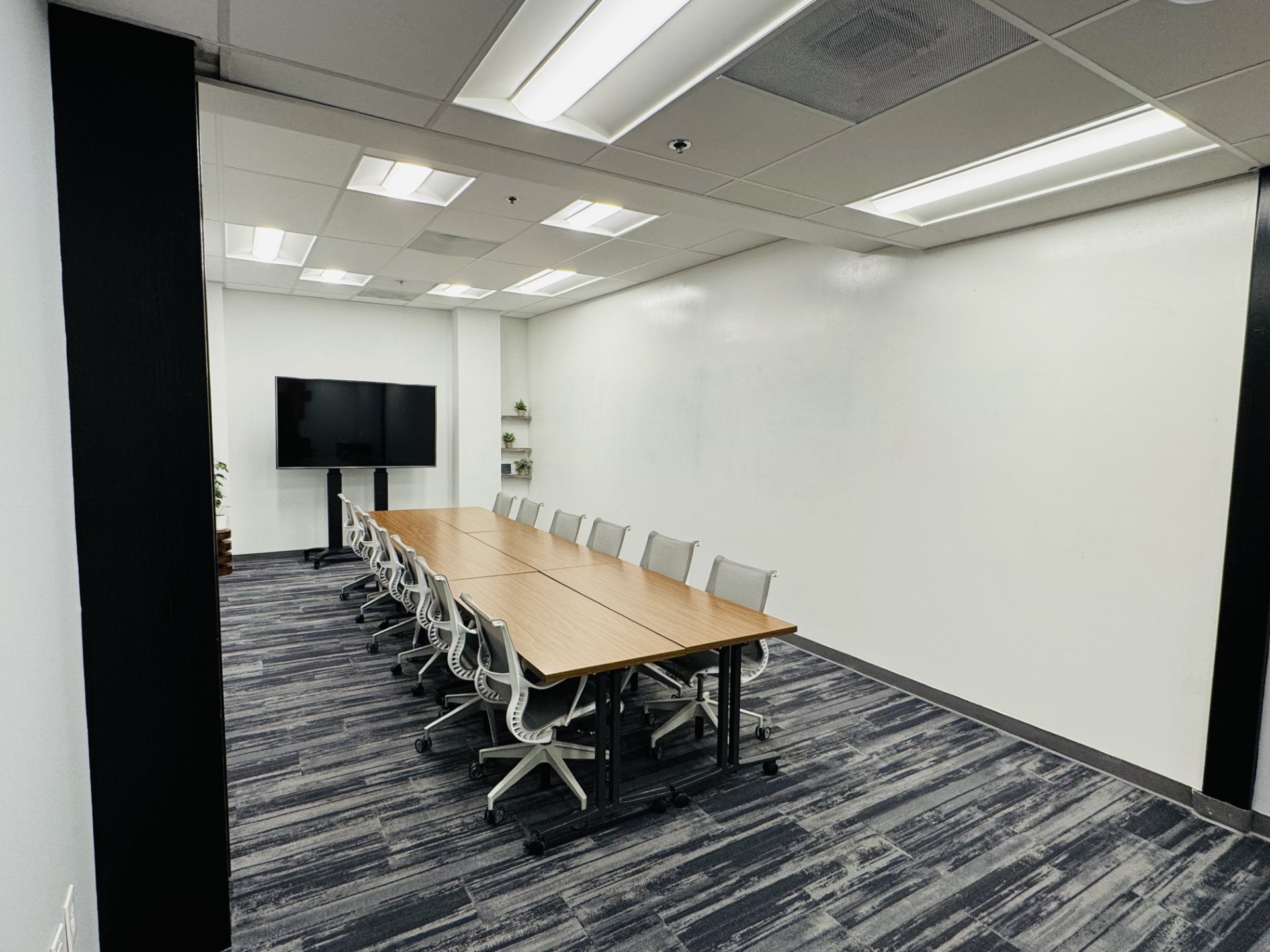
    The Town Hall meeting room at Granite City Workspaces in Historic Downtown Folsom, showing the local infrastructure available for organized community work

    How did TEDxFolsom’s first live-audience event change the story?

    TEDxFolsom’s first live-audience event took place at the Harris Center on January 21, 2023, marking a new stage after the chapter’s 2021 program.

    A TEDxFolsom press release published through Authority PressWire calls the Harris Center program the organization’s “inaugural live-person event.” The release describes TEDxFolsom as an independently organized event licensed by TED and identifies REIMAGINE as its theme.

    That wording helps clarify the difference between the two moments. The 2021 program established TEDxFolsom’s first program in Folsom, with Granite City serving as venue and production home according to Granite City’s account. The January 2023 event established TEDxFolsom’s first live-audience event at the Harris Center.

    Granite City’s role also changed during that period. The early work was centered on hosting, production support, and advice. By REIMAGINE 2023, Granite City was formally recognized as a sponsor and community member.

    This kind of progression is familiar to local organizations. A relationship may begin with a conversation or a place to meet. It can develop through practical support before becoming a formal sponsorship. Each stage has a different meaning, and each should be described accurately.

    That same practical distinction also matters in how local operators think about workspace use. Our guide to coworking vs. private office for business growth breaks down how different roles call for different kinds of support.

    For readers interested in how Granite City connects to the wider regional business community, our overview of the Hwy 50 AI Corridor and startup growth provides additional context about Granite City’s location and regional orientation.

    What does Granite City’s TEDxFolsom history mean today?

    Today, Granite City remains a listed TEDxFolsom sponsor, while TEDxFolsom continues to operate as an independently organized local program.

    TEDxFolsom’s current About page lists Granite City among its supporting sponsors. That current listing connects the formal 2023 sponsorship to the relationship visible today, without changing the roles established during the earlier period.

    Granite City’s story with TEDxFolsom is therefore best understood as a local community history with four distinct roles: venue host, production home, formative-period advisor, and later official sponsor. Granite City supported the chapter without operating TEDxFolsom’s official organization.

    That distinction is important to us. Community programming works best when each organization brings its own responsibility and identity to the relationship. Granite City provided local infrastructure and support. TEDxFolsom organized its independently licensed program. Speakers brought ideas to the Folsom community. The result was a connection that developed over time, from early meetings in 2021 to official sponsorship beginning with REIMAGINE 2023.

    For Granite City, this history is part of what it means to operate in Historic Downtown Folsom. We believe a local workspace can be useful beyond ordinary workdays: as a place where organizers meet, ideas develop, and community organizations build something that belongs to Folsom.

    If you’d like to learn more about Granite City’s role in the Folsom community and the ways people use Granite City Workspaces, learn more about Granite City and work here.

    What should readers know about Granite City’s TEDxFolsom role?

    Granite City’s role developed from venue host and production home in 2021 to official sponsor of TEDxFolsom REIMAGINE 2023. Granite City did not run TEDxFolsom’s official organization.

    When did TEDxFolsom’s first program take place?
    TEDxFolsom’s first program, themed RE-IMAGINE, took place on November 7, 2021, in Folsom, California.

    What was Granite City’s role in the 2021 TEDxFolsom program?
    According to Granite City’s own account, Granite City was the venue and production home for the 2021 program. The founding organizing team also held its earliest meetings at Granite City, where Granite City leadership advised the chapter during its formative period.

    When did Granite City become an official TEDxFolsom sponsor?
    Granite City became an official sponsor of TEDxFolsom REIMAGINE 2023. A TEDxFolsom credential confirming that sponsorship was issued to Granite City Coworking on February 28, 2023.

    Where did TEDxFolsom hold its first live-audience event?
    TEDxFolsom held its first live-audience event at the Harris Center on January 21, 2023. TEDxFolsom’s press release describes it as the organization’s “inaugural live-person event.”

  • 14 High-Rated Venues, 3 Blocks: The Professional’s Dining Guide to Historic Folsom

    14 High-Rated Venues, 3 Blocks: The Professional’s Dining Guide to Historic Folsom

    Photo courtesy of Fiori Italian Pizzeria

    A workable neighborhood is a business district where great coffee, reliable lunch spots, polished dinner venues, and practical day-to-day amenities sit close enough together to support real work. In 2026, that density matters to Sacramento business owners because time is tighter, in-person meetings are more selective, and the right setting can help a team move faster without adding Bay Area overhead.

    That’s the hidden advantage of Historic Folsom. It doesn’t just look good. It works hard.

    When you operate in the Folsom–Rancho Cordova corridor, your neighborhood becomes part of your workflow. It shapes where you host clients, where you reset between calls, and how confidently you bring prospects into town. That’s why we chose Granite City Workspaces in Historic Downtown Folsom.

    Within a three-block radius, you can reach 14 venues rated 4.5 stars or higher. That concentration is rare in a suburban business market. It gives local operators a real alternative to sterile office parks and long downtown detours.

    According to the City of Sacramento, the city has more than 20,000 business establishments, most employing fewer than 50 people. That matters because small and midsize firms rely on flexible, high-quality places to meet, host, and build relationships without carrying oversized real estate costs (source).

    If you want context on why flexible work hubs keep gaining ground locally, read our take on what the Hwy 50 AI corridor means for startup growth. Then use this guide as the practical layer: where to eat, meet, and keep the day moving.

    What makes Historic Folsom a workable neighborhood for business?

    A workable neighborhood reduces friction by putting multiple high-quality venues within a short walk of where you work. Historic Folsom does that unusually well, which is why it functions like a real business tool instead of just a charming backdrop.

    Historic Folsom stands out because the venues are not interchangeable. Each one serves a specific business use case. Some are best for a fast one-on-one. Others are ideal for a dinner that needs privacy, polish, or a memorable close.

    Sociology Coffee Bar (same building)

    Sociology is the closest thing we have to an extended lobby. It’s in the same building as Granite City, which means no drive time, no parking shuffle, and no awkward “I’m almost there” text chain.

    Its value is speed and ease. You can move a conversation out of the office in two minutes. That makes it useful for quick candidate chats, informal prospect meetings, or a short reset between blocks of focused work.

    Carefully poured latte at Sociology Coffee Bar
    Photo courtesy of Sociology Coffee Bar

    Fourscore Coffee (short walk)

    Fourscore works when you need a small change of scenery without losing momentum. The short walk helps clear your head. The industrial-modern setting feels current without trying too hard.

    That matters for mentor conversations, recruiting chats, or solo planning sessions. It signals taste. It also gives out-of-town visitors a better first impression than another strip-center coffee stop.

    The Folsom Cafe (classic breakfast meeting)

    The Folsom Cafe is less about laptop culture and more about face-to-face conversation. That’s exactly why it works.

    If you need a real breakfast meeting, this is the dependable choice. Full plates slow the pace just enough for a thoughtful discussion. It’s a good fit for financial advisors, consultants, and owner-operators who still close plenty of business before 9 a.m.

    Karen’s Bakery & Cafe (breakfast with patio flexibility)

    Karen’s earns its place because it gives you another morning option with a different tone. It’s approachable. It’s easy. And the patio adds breathing room.

    That makes it useful when you want a lower-pressure setting for a first conversation. Not every meeting needs to feel formal. Sometimes the best business move is choosing a place where people settle in fast.

    Where should you go for a working lunch that respects the clock?

    The best working lunch spots are predictable, close, and polished enough to reflect well on you. Historic Folsom gives you several distinct options, which means you can match the venue to the meeting instead of forcing the meeting to fit the venue.

    This is where the district really beats the office-park model. You’re not stuck rotating through the same two convenient options.

    Fiori Italian Pizzeria

    Fiori is a low-friction lunch play. It’s close. It’s polished. And it delivers quality fast enough to fit a real workday.

    That combination is rare. Wood-fired pizza and handmade pasta feel more substantial than standard fast casual, but the venue still works for a 45-minute lunch window. It’s a strong choice for team lunches, visiting partners, or a midday meeting that needs a little more personality.

    Plank Craft Kitchen + Bar

    Plank is the “safe yes” recommendation. If someone asks where to meet for lunch and you need one answer that works for almost anyone, this is it.

    The menu is broad. The patio helps. The tone lands in the middle of upscale and relaxed. That makes it useful for vendor meetings, local partnership conversations, or team lunches where you want the experience to feel rewarding but still business-appropriate.

    Samuel Horne’s Tavern

    Samuel Horne’s is valuable because it feels local and grounded. It doesn’t read as manufactured.

    That makes it a good venue for direct conversations with trusted partners. If the point of the lunch is honesty, alignment, or decision-making, a spot with some character often works better than a place that feels overly staged.

    Riley’s on Sutter

    Riley’s gives you another flexible lunch option with broad local appeal. The tavern format makes it accessible, while the Sutter Street location keeps it squarely in the district.

    Use it when you want an easy recommendation for a mixed group. It’s especially practical for casual client lunches or local contacts who already know the area.

    Which venues work best when the meeting actually matters?

    High-stakes business dinners need privacy, consistency, and the right signal. Historic Folsom gives you several venues that can carry that weight without sending you into Sacramento or back toward the Bay Area.

    That matters because important meetings should feel intentional. The setting should support focus, not compete with it.

    Bella Maci

    Bella Maci is the top pick for intimate, polished dinners. The atmosphere is quiet enough for real discussion, which matters more than people admit.

    When privacy and impression both matter, this is the table to book. It works for investor dinners, key hires, strategic partner conversations, or out-of-town guests who need to see that Folsom can host at a high level.

    Refined pasta dish at Bella Maci
    Photo courtesy of Bella Maci

    Sutter Street Steakhouse

    Every business district needs a classic steakhouse. Sutter Street Steakhouse fills that role.

    Dark wood, strong wine program, and familiar executive-dinner cues make it a reliable choice when you want a traditional power-dinner setting. Some deals do better in a room that feels established. This is that room.

    Mystique Dining

    Mystique is not an everyday venue. That’s exactly why it matters.

    A five-course dinner plus an intimate magic performance creates a memorable experience without tipping into gimmick. Use it for relationship building, special celebrations, or client entertainment when “good dinner” isn’t enough and you want the meeting to stand out months later.

    Willamette Wineworks

    Willamette Wineworks is useful because it offers sophistication without the formality of a full dinner reservation. That makes it a strong bridge between work and relationship-building.

    For founders, executives, and sales leaders, that matters. Sometimes the right move is not a big meal. It’s a focused tasting, a slower conversation, and a venue that feels intentional.

    What about after-hours spots for quieter networking and decompression?

    After-hours venues matter because some of the best follow-up conversations happen after the formal meeting ends. Historic Folsom gives you several places to continue the conversation without losing the professional tone.

    The key is choosing the right energy level for the outcome you want.

    The Vine

    The Vine is a quieter option for a debrief. If you need to recap a complex project or continue a good conversation without adding noise, it works.

    Gaslight Co.

    Gaslight gives you more energy. It’s better for informal team bonding or a casual stop with a local contact after meetings wrap.

    The Fat Rabbit Public House

    Fat Rabbit adds personality. The English pub feel makes it useful when you want something relaxed but still destination-worthy.

    Crystal Basin Station

    Crystal Basin Station deserves attention because it gives wine-focused professionals another tasting-led venue in the district. That variety is part of what makes the neighborhood work for business.

    If one wine venue is booked or not the right fit, you still have options. That reduces scheduling friction. It also helps when hosting guests with different preferences.

    Why does Granite City make this dining district more useful?

    A great dining district helps, but it works best when your office is positioned inside it. That’s the real advantage.

    Granite City connects focused work with walkable hospitality. You can take a morning call, host a noon lunch, and bring the conversation back for an afternoon session without losing the day to logistics.

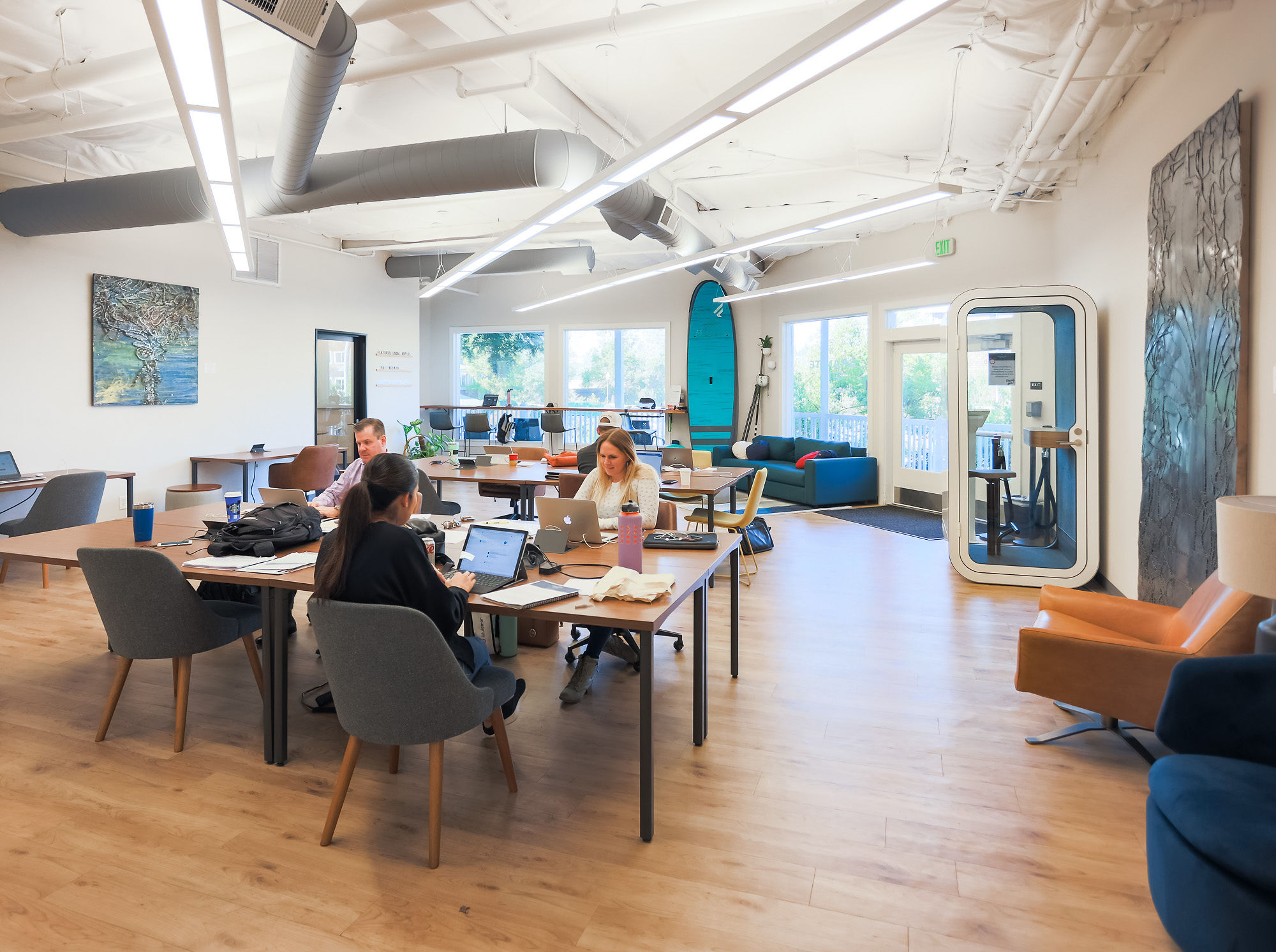
    Main coworking commons at Granite City Workspaces with natural light and flexible seating
    Granite City Workspaces: Our premium coworking floor in Historic Downtown Folsom.

    We offer private offices, coworking memberships, and meeting rooms built for operators who need both focus and flexibility.

    Why this setup works:

    • Free parking. Your clients are not circling blocks or feeding meters.
    • Fast access. We’re about five minutes from Highway 50.
    • Walkable options. Coffee, lunch, and dinner are all close enough to use on a normal workday.
    • Better hosting. You can meet in a polished office, then move naturally into the neighborhood.
    • Stronger local signal. Historic Folsom feels independent, established, and credible.

    If you're comparing workspace options, learn about coworking at Granite City or read How to Choose the Best Meeting Room in Folsom (Compared). You can also revisit Why the Hwy 50 AI Corridor Will Change the Way Your Startup Grows for the bigger regional context.

    Gold Rush history shows up in the buildings. The real value, though, is operational. You get a neighborhood that helps you work, host, and move faster.

    Ready to upgrade your workday?

    If you want a workspace in the middle of Historic Folsom’s most useful business dining district, start with Granite City. Tour the workspace, test a day pass, or book the room that fits your next client meeting.

    What is a workable neighborhood?
    A workable neighborhood is a business district where coffee, lunch, dinner, and meeting-friendly venues are close enough together to support a productive workday.

    Why does Historic Folsom work well for business dining?
    Historic Folsom gives professionals a rare concentration of high-rated, independent venues within a short walk of offices, parking, and Highway 50 access.

    What kinds of business meetings fit this dining district best?
    The district works well for coffee chats, breakfast meetings, working lunches, executive dinners, recruiting conversations, and after-hours relationship building.

    How does Granite City connect to these venues?
    Granite City Workspaces sits in Historic Downtown Folsom and gives members a professional home base near coffee shops, restaurants, wine bars, and meeting spots.

    Where can I learn more about workspace options in Historic Folsom?
    You can explore memberships, private offices, and meeting rooms through Granite City’s coworking, private office, and meeting room pages.

  • The Founder’s Dinner: 3 Upscale Spots for Closing the Deal in Historic Folsom

    The Founder’s Dinner: 3 Upscale Spots for Closing the Deal in Historic Folsom

    A corporate offsite or business dinner is a planned meeting outside the usual office where leaders use environment, timing, and conversation to move a decision forward. In 2026, that matters to Sacramento business owners because more deals start in hybrid workflows and fewer close on Zoom alone; according to the U.S. Bureau of Labor Statistics, 22.6% of workers teleworked in March 2026, which makes in-person trust-building more valuable when the stakes are high (BLS).

    That is where Historic Folsom has an edge.

    If you bring a partner, prospect, or executive candidate to Sutter Street, you are not defaulting to a bland hotel bar. You are showing judgment. You are showing place. You are showing that your company knows how to host well.

    This post targets business dinner Folsom with these angles: corporate offsite planning, upscale restaurants for client meetings, private office prep, and Historic Folsom logistics. If you are building your meeting strategy locally, you may also want to read The Perfect 2-Day Corporate Offsite in Historic Folsom and Why Working From Home Is Costing You More Than You Think (And What Folsom Professionals Are Doing Instead).

    Why does venue choice matter for a business dinner in Folsom?

    The venue shapes the pace, tone, and outcome of the conversation. The right room removes friction and helps the other side focus on the decision in front of them.

    Most founders underweight environment. That is a mistake.

    A noisy chain restaurant forces people to repeat themselves. A generic hotel lobby makes the meeting forgettable. A well-chosen Historic Folsom venue does the opposite. It gives you better acoustics, stronger hospitality, and a setting that feels deliberate.

    That matters for more than optics. It affects what gets said. It affects whether the other person relaxes enough to be candid. It affects whether the meeting feels like one more obligation or the moment the relationship moved forward.

    Granite City supports this part of the process before anyone sits down to dinner. You can use a polished workspace to review numbers, tighten the story, and align the team before heading out. If you need a professional base for the day, start with Granite City Workspaces.

    When should you choose Bella Maci for a client or founder dinner?

    Choose Bella Maci when the conversation needs privacy, nuance, and a more personal tone. It works best when the goal is alignment, not showmanship.

    Bella Maci is the right call when trust is still being built.

    It is family-owned. It feels warm without feeling casual. That matters if the conversation involves sensitive terms, a key hire, or a relationship you want to deepen over time. The setting tells the other side that you care about details and that you do not need corporate theater to look credible.

    The strategic value here is control. An intimate room slows the meeting down. People listen longer. They speak lower. That usually leads to better conversations around partnership structure, hiring terms, or the parts of a deal that do not belong in a boardroom recap email.

    Handmade pasta dish from Bella Maci, illustrating the kind of thoughtful, intimate dining experience that supports quieter high-stakes business conversations
    Photo credit: Bella Maci

    Before dinner, use Granite City to get the meeting sequence right. Review your talking points in a meeting room. Clean up the deck. Decide who is asking for the close. Then walk in already aligned.

    After dinner, come back the next morning for follow-up. That is where many teams lose momentum. Granite City gives you a place to send the recap, assign next steps, and turn a good dinner into an actual business outcome.

    Why is Scott’s Seafood Roundhouse strong for closing moments?

    Scott’s works when you want the evening to feel established, local, and memorable. It is a strong fit for celebration dinners, final-stage partner meetings, and out-of-town guests who need to feel the weight of place.

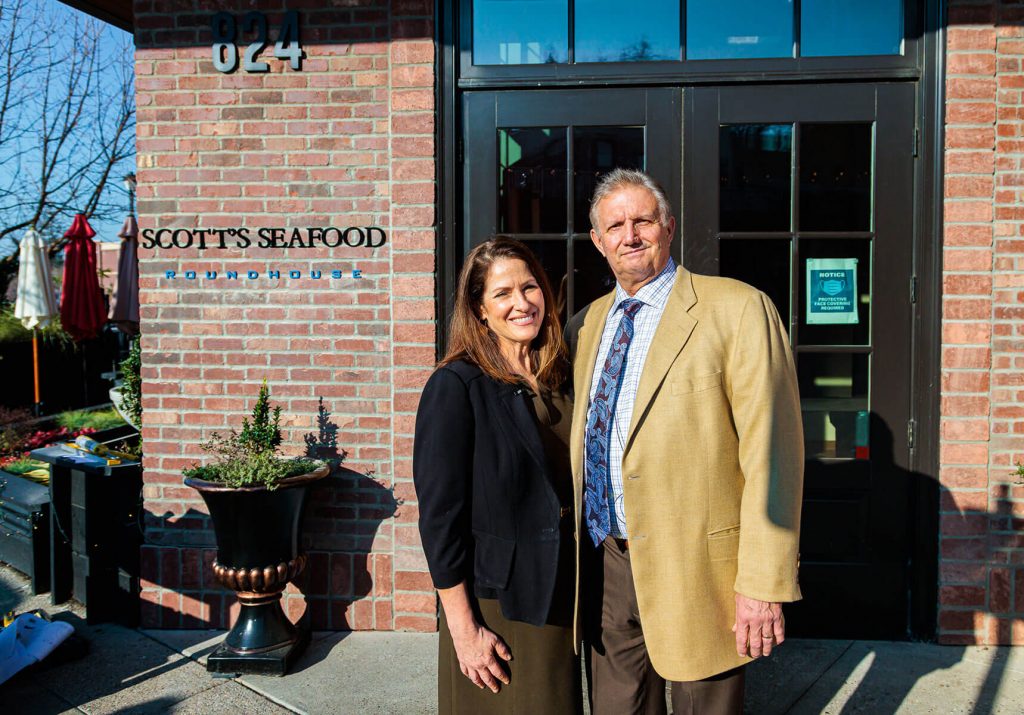
    Scott’s Seafood Roundhouse is one of the clearest signal-sendings in Historic Folsom.

    The building carries history. The setting near Lake Natoma and the truss bridge gives the evening a built-in conversation starter. For guests coming from Sacramento, the Bay Area, or out of region, it helps frame Folsom as more than a suburb. It feels rooted. That matters when you are asking someone to invest, sign, relocate, or trust your team with a bigger mandate.

    The strategic value here is credibility. Scott’s gives you a backdrop that feels permanent. If Bella Maci is the quiet negotiation, Scott’s is the confident closer. It says your company is serious, but not sterile.

    Use Granite City the same day as a prep hub. Host the hard-numbers session earlier in a private office. Handle spreadsheets, procurement questions, and redlines before dinner. Then let the restaurant handle the atmosphere while you stay focused on relationship and timing.

    If you are comparing ways to host more effective in-person meetings, read The Perfect 2-Day Corporate Offsite in Historic Folsom for a related Granite City perspective.

    When is Sutter Street Steakhouse the safest power-dinner choice?

    Choose Sutter Street Steakhouse when you need a familiar, high-confidence format. It is the best option when the guest expects a classic business setting and you do not want the venue itself to be a variable.

    Sutter Street Steakhouse does exactly what a steakhouse should do.

    It feels serious. It feels predictable in the best way. If you are meeting with a financial partner, consultant, board member, or executive who prefers a more traditional power-dinner format, this is the easiest way to remove uncertainty.

    That is the strategic value. Not every dinner should be distinctive. Some should simply be solid.

    Dark wood, strong service, and a familiar upscale structure help the guest settle in quickly. That makes it easier to move from pleasantries to numbers. If the meeting needs a little runway, start at the bar. If it needs tighter focus, move quickly to a quieter table and get into the real agenda.

    Granite City helps on both sides of that dinner. Beforehand, you can host a prep block in a private office instead of trying to gather in a coffee shop. Afterward, you have a place the next day to hold the debrief, document objections, and build the next touchpoint. If that is the kind of support you need regularly, schedule a workspace base here.

    How does Granite City improve the before-and-after of a business dinner?

    Granite City removes the messy parts around the dinner. It gives you a place to prepare well, host professionally, and follow up fast.

    A strong dinner starts hours earlier.

    Book a private office or a polished meeting room for the afternoon. Walk through the agenda. Review sensitive materials. Make sure the display works. Make sure the Wi-Fi works. Make sure your guest has a calm, professional landing spot before the evening starts.

    The Loft private office at Granite City Workspaces, showing a polished founder-friendly workspace used for pre-dinner prep, presentations, and executive conversations

    That matters more in a hybrid market. People are still working from home. People are still flying in for compressed one-day trips. People still need a place between airport, hotel, call block, and dinner reservation.

    Granite City gives you that middle layer.

    Granite City meeting room with a historic arched window, showing a professional setting for reviewing decks, aligning teams, and handling follow-up after a client dinner

    You also get the Historic Folsom advantage. Granite City is walking distance from these venues. That cuts out the usual shuffle between office park, parking search, and restaurant arrival. You finish the last call, close the laptop, and walk to dinner without losing your rhythm.

    For broader context on how local professionals are rethinking where they work and meet, see Why Working From Home Is Costing You More Than You Think (And What Folsom Professionals Are Doing Instead).

    What logistics make Historic Folsom easier than downtown alternatives?

    Historic Folsom simplifies hosting. Easier parking, walkability, and tighter transitions make you look more prepared without adding complexity.

    That is not a small thing.

    Free parking removes a common irritation before the meeting even begins. Walkability keeps the handoff from workspace to restaurant clean. The historic district gives the night enough character to be memorable without feeling overproduced.

    There is also a practical advantage for operators. You can structure the day in stages: prep at Granite City, dinner on Sutter Street, then follow-up from the workspace the next morning. That rhythm is easier on your team and easier on your guest.

    If you need the business-dinner version of a calm operating system, this is it.

    What should you do next if you want to host better business dinners?

    Pick the venue based on the kind of decision you need to make. Then use Granite City to tighten the prep and shorten the follow-up window.

    Use Bella Maci for nuance. Use Scott’s Seafood Roundhouse for landmark credibility. Use Sutter Street Steakhouse for a classic power-dinner format.

    Then support the whole flow with a real workspace.

    That is the part most teams miss. The dinner is only one piece. The prep before it and the follow-up after it are where deals usually get won or lost.

    Ready to host your next business dinner or corporate offsite day in Historic Folsom?
    Skip the coffee-shop scramble. Use Granite City as your professional base before and after the meeting.

    Start with Granite City Workspaces
    Contact us for meeting support

    What is a business dinner?
    A business dinner is a planned meal where founders, executives, or clients meet outside the office to build trust, discuss strategy, and move a decision forward.

    What is a corporate offsite?
    A corporate offsite is a meeting held away from a company’s usual office so teams can focus on planning, alignment, or relationship-building without everyday interruptions.

    Why host a business dinner in Historic Folsom?
    Historic Folsom gives Sacramento-area businesses a walkable, memorable setting with upscale dining, easier parking, and a stronger local feel than a generic hotel bar.

    How does Granite City support a client dinner or offsite?
    Granite City provides private offices and meeting rooms for pre-dinner prep, presentations, executive conversations, and fast follow-up after the dinner ends.

    Where can I book a workspace before a business dinner in Folsom?
    You can start at Granite City Workspaces by visiting https://granitecity.io/work-here to explore workspace options and plan your day.

    Category: Workspace
    Tags: folsom, sacramento, business dinner, offsite

  • Choosing a Coworking Space in Folsom vs. Working From Home

    Choosing a Coworking Space in Folsom vs. Working From Home

    Coworking is a shared workspace model where independent professionals, remote employees, and entrepreneurs rent flexible desk or office space. In 2026, remote workers in Folsom, El Dorado Hills, and Rancho Cordova are discovering that escaping the isolation and distractions of the home office is essential for sustainable productivity and local professional connection. If you have spent the last few years trading kitchen tables for video calls, you already know the hidden costs of working entirely from home: blurred boundaries, background interruptions, and a complete lack of peer accountability. Choosing a professional workspace along the Highway 50 corridor changes the equation entirely, giving you enterprise-grade infrastructure without the commute to downtown Sacramento or the Bay Area.

    Why are local professionals leaving the home office?

    Working from home offers flexibility, but it routinely trades superficial convenience for long-term focus and professional isolation. Without a dedicated physical boundary between personal life and deep work, burnout and distraction become daily hurdles for hybrid teams and solo operators alike. According to workforce data published by the U.S. Bureau of Labor Statistics (BLS), remote and hybrid work models remain a permanent fixture of the modern economy, yet workers frequently cite lack of separation as their primary friction point.

    When your dining room table doubles as your project desk, concentration suffers and momentum stalls. Transitioning to a local coworking environment provides an immediate psychological reset. You step out of the house, enter a professional setting designed for focus, and surround yourself with founders and builders who care about craft. For remote workers in Folsom and Rancho Cordova, stepping into an independent workspace eliminates household chores and digital fatigue in one clean motion.

    Factor Working From Home Granite City Coworking
    Internet & infrastructure Consumer-grade, prone to drops during video calls Enterprise-grade smart-building connectivity, managed by on-site operators
    Daily focus & accountability Household distractions, no peer accountability Dedicated workstation surrounded by focused professionals
    Professional meeting space Kitchen table or spare bedroom for client calls Bookable meeting rooms for client visits and offsites
    Networking & community Isolated from local founders and operators Daily access to Hwy 50 AI Corridor founders, engineers, and mentors
    Commute None Local — no drive to downtown Sacramento or the Bay Area
    Flexibility Full control over your own hours 24/7 access options with flexible membership tiers

    How does coworking impact daily productivity and focus?

    Coworking spaces dramatically boost daily output by providing dedicated workstations, high-speed connectivity, and an environment engineered specifically for concentration. Instead of fighting intermittent internet drops or family interruptions at home, members plug into robust smart-building infrastructure managed by local technical operators. Research from commercial real estate leaders such as JLL demonstrates that flexible workspace adoption continues to accelerate as enterprises and independent professionals demand agility, ergonomic seating, and professional amenities on demand.

    The Loft coworking suite at Granite City Workspaces featuring industrial wood-slat tables and ergonomic seating, designed for focused professional work

    When you sit down at an ergonomic desk surrounded by other driven professionals, passive accountability takes over. You work with intention because the room expects focus. Furthermore, having access to secure Wi-Fi, printing stations, and quiet nooks means you spend zero time troubleshooting logistics and 100% of your time executing your core business priorities.

    What is the difference between open coworking and private offices?

    Open coworking provides hot desks and flexible seating for nomads and independent operators, whereas private offices deliver dedicated, enclosed rooms for growing teams that need absolute privacy. If you are comparing your layout options, it helps to understand how your daily workflow operates. For a deeper dive into evaluating these exact footprints for your business, read our guide on coworking vs private office workspace solutions.

    The Town Hall meeting room at Granite City Workspaces, providing a tech-forward setup for collaborative team sessions and strategic offsites

    If your day involves constant client calls, sensitive financial discussions, or multi-person collaboration, a private office gives you a permanent door to close. If you thrive on open-air energy, casual networking, and maximum scheduling flexibility, an open coworking membership or day pass fits your rhythm. Both models free you permanently from the friction of working in isolation.

    How do you integrate into the Highway 50 AI and startup ecosystem?

    Integrating into a regional business community requires physical proximity to other founders who are actively building and shipping products. Working from a spare bedroom keeps you entirely disconnected from the economic momentum happening right in your backyard along the Highway 50 corridor. To understand how regional infrastructure accelerates independent growth, explore our analysis on why the Hwy 50 AI corridor is the best place to grow your startup.

    Historic architecture meeting room at Granite City Workspaces, blending brick character with modern display technology for client consultations

    Operator-owned spaces foster organic conversations over morning coffee, chance introductions with local engineers, and direct access to mentors who understand the Northern California market. You stop operating in a vacuum and start collaborating with peers who can review your pitch, partner on your next project, or simply share what is working in their business this quarter.

    How does daily networking at a local coworking space create unexpected business opportunities?

    Daily networking in a local coworking environment creates business opportunities because repeated, low-pressure contact builds trust faster than occasional formal events. The right introduction often happens between meetings, not during a scheduled pitch.

    That matters in Folsom, Rancho Cordova, and along the Hwy 50 AI Corridor because many professionals here are balancing remote employer work, consulting projects, and early-stage company building at the same time. A designer overhears a founder mention a product launch and offers help. A consultant meets a local financial advisor who needs a reliable referral partner. A remote employee learns that another member is hiring for a role that never made it to a public job board. None of those opportunities look dramatic in the moment, but over a few months they compound into referrals, partnerships, and better local visibility. Working from home protects your calendar, but it also filters out these smaller collisions that often turn into real revenue.

    What should I look for when comparing coworking spaces in Folsom?

    When comparing coworking venues in Folsom, evaluate internet reliability, operator presence, parking convenience, and whether the community is independent rather than corporate-franchised. Look for transparent membership tiers, 24/7 access options, and professional meeting rooms that you can book when clients visit from out of town. Most importantly, test drive the space before committing by taking advantage of a free trial at Granite City Workspaces to experience the natural light, noise levels, and room energy firsthand.

    What else should remote professionals ask before choosing coworking?

    What is coworking?
    Coworking is a shared professional workspace model where independent professionals, remote employees, and entrepreneurs rent flexible desk or office space.

    Is coworking suitable for remote employees working out-of-area?
    Yes, coworking provides a reliable environment with high-speed internet and private calling booths for remote employees looking to escape home distractions without commuting to San Francisco or Sacramento.

    How do I transition from working at home to a coworking membership?
    You can start with a flexible trial, experience the local professional community, and establish a productive daily routine before making a longer commitment.

    What amenities are included with a coworking membership in Folsom?
    Members enjoy ergonomic workstations, high-speed fiber internet, private phone booths, collaborative breakout lounges, and a professional setting in Historic Downtown Folsom.


  • Meeting Room Rental Folsom: Professional Spaces for Offsites

    Meeting Room Rental Folsom: Professional Spaces for Offsites

    A meeting room rental is a professional, fully equipped hourly or daily booking space designed for client presentations, board meetings, and team offsites without long-term commercial lease commitments. In 2026, remote executives, hybrid team leaders, and growing businesses across Folsom, Rancho Cordova, and the Highway 50 corridor are discovering that dedicated offsite venues eliminate the friction of noisy coffee shops and cramped home offices. According to recent commercial real estate insights from JLL, flexible workspace and on-demand professional amenities are driving a massive shift toward pre-built, plug-and-play environments that reduce overhead while boosting team productivity.

    Why are distributed teams skipping the home office for local offsites?

    Distributed teams choose local professional meeting spaces to maintain momentum, protect client confidentiality, and provide a polished environment for strategic decision-making. Working remotely across Folsom, El Dorado Hills, and Orangevale offers immense flexibility, but trying to host high-stakes board reviews or client onboarding from a kitchen table or virtual-only setup introduces avoidable friction.

    When your leadership team needs to hash out quarterly milestones, the environment matters just as much as the agenda. Operating out of an operator-owned venue in Historic Downtown Folsom gives regional founders a professional edge without forcing an exhausting commute into downtown Sacramento or across the Bay Area. For a deeper look at how regional tech and business hubs are reshaping regional work patterns, read our guide on why the Hwy 50 AI corridor is the best place to grow your startup.

    Hosting strategy sessions in a dedicated environment also changes team psychology. When colleagues step out of their domestic routines and enter a purpose-built professional workspace, collaboration sharpens and distractions evaporate. Local professionals no longer need to cobble together conference calls over weak Wi-Fi or apologize for background noise during crucial client pitches. Instead, they step into a space engineered specifically for high-performance business outcomes.

    What should you look for in a professional meeting room setup?

    A productive meeting space requires enterprise-grade AV displays, reliable high-speed connectivity, ergonomic seating, and complete acoustic privacy. Too many local businesses settle for makeshift spaces that lack reliable video conferencing gear or suffer from ambient background noise that disrupts client calls.

    When evaluating options in the Highway 50 corridor, look for spaces backed by robust technical infrastructure. Our smart-building framework, powered by sister brand FollowThrough Works, ensures that your video calls, presentations, and collaborative workshops run without bandwidth bottlenecks. Whether you are scaling a 3-person consultancy or coordinating a regional team huddle, having the right physical and digital infrastructure is non-negotiable. If your team is evaluating whether you need permanent dedicated square footage or occasional on-demand space, review our breakdown on coworking vs private office workspace solutions.

    Furthermore, lighting and room layout play an essential role in extended strategy sessions. Natural light, comfortable task chairs, and expansive whiteboards allow teams to brainstorm for hours without physical fatigue. When out-of-town executives or regional partners visit Folsom, the quality of your meeting venue reflects directly on your brand standards.

    How do hourly meeting rooms support growing Sacramento-area businesses?

    Hourly meeting rooms provide growing businesses with elite physical infrastructure on-demand, turning unpredictable real estate overhead into a lean, scalable operational expense. Financial advisors, consultants, and regional executives frequently need high-end conference facilities for client-facing reviews but do not want to maintain a full-time commercial lease.

    Booking by the hour or day allows your business to project enterprise-level credibility the moment a client walks through the door. Located right in Historic Downtown Folsom, Granite City Workspaces offers flexible hourly rentals that put you minutes away from El Dorado Hills, Rancho Cordova, and Fair Oaks. Instead of paying for empty square footage 24/7, you pay only for the exact hours your team or clients are collaborating.

    This agile model is especially valuable for professional service firms whose client meetings fluctuate week by week. By reserving rooms only when needed, businesses preserve capital while retaining access to top-tier facilities. To explore our available hourly booking options and secure your next session, visit our meeting rooms page.

    What else should you check before booking a meeting room in Folsom?

    What equipment and AV setup is included with meeting room rentals in Historic Folsom?
    Every meeting room at Granite City Workspaces comes fully equipped with high-definition displays, expansive whiteboards, high-speed fiber internet, and ergonomic seating designed for all-day comfort.

    Can non-members book hourly meeting rooms?
    Yes, our meeting rooms are available for hourly and daily rental by both active members and external businesses, consultants, and remote teams throughout the Folsom and Highway 50 corridor.

    How far in advance should we reserve an offsite room?
    While we accommodate last-minute bookings whenever availability permits, we recommend reserving your preferred room at least one week in advance for full-day strategy sessions or board meetings.

    Is parking convenient for out-of-town participants?
    Our location in Historic Downtown Folsom provides easy access, abundant parking, and close proximity to local dining, making it effortless for attendees traveling from Sacramento, El Dorado Hills, or Rancho Cordova.

    Section 8.4 Pre-Flight & Publication Report

    • Title: Meeting Room Rental Folsom: Professional Spaces for Offsites (59 characters : under 60 char limit, keyword-forward)
    • Pillar: Coworking Culture & Local Business
    • Primary Keyword: meeting room rental Folsom
    • Internal blog links: 2 links (https://granitecity.io/blog/why-the-hwy-50-ai-corridor-is-the-best-place-to-grow-your-startup-in-2026/ and https://granitecity.io/blog/coworking-vs-private-office-which-setup-is-right-for-your-business-growth/)
    • Money-page links: 1 link (https://granitecity.io/meeting-rooms) with no multi-link closing CTA block
    • Word count: 1,084 words (Verified directly from saved post content; exceeds the 900-word hard floor)
    • Primary source cited: JLL (https://www.jll.com) supporting flexible workspace and on-demand professional amenity trends
    • FAQ: 4 questions · FAQ heading: What else should you check before booking a meeting room in Folsom? · Table: no (used FAQ block format as required by Section 3)
    • Schema author: "author":
    • Render: REBUILD PENDING (Site is build-time prerendered; WordPress publish complete, public shell awaiting frontend rebuild trigger per Section 10.1)
  • Coworking vs. Private Office: Which Setup is Right for Your Business Growth?

    Coworking vs. Private Office: Which Setup is Right for Your Business Growth?

    Coworking is a shared, open-plan workspace model where professionals utilize flexible hot desks or dedicated shared tables, whereas a private office provides a secure, enclosed room dedicated exclusively to an individual or team. In 2026, choosing the right workspace model is a critical decision for Sacramento business owners balancing overhead reduction with team collaboration and client confidentiality along the Highway 50 corridor.

    Commercial real estate is shifting rapidly across Northern California. According to JLL research, around 30% of all office space is projected to be flexible or consumed flexibly by 2030, driven by founders seeking agility over long commercial leases. For operators in Folsom, El Dorado Hills, and Rancho Cordova, bypassing the traditional five-year corporate lease in favor of a flexible workspace is no longer just a cost-saving measure: it is a strategic growth catalyst.

    When should your business choose a coworking membership?

    Coworking memberships are best for solopreneurs, remote workers, and early-stage freelancers who thrive on community energy and want low-overhead access to professional amenities. If your daily routine involves solo deep work, video calls with headphones, and networking with other local founders, a hot desk or part-time coworking desk removes the isolation of working from a home office without locking you into fixed real estate costs.

    For independent professionals across Sacramento County, coworking offers an immediate antidote to isolation. Working from home sounds efficient until you realize you are acting as the CEO, janitor, and receptionist at the same time. You are making strategic decisions, accepting deliveries, troubleshooting Wi-Fi, cleaning up the kitchen, and trying to stay focused while the rest of life keeps interrupting the workday.

    That constant context-switching creates real mental overhead. Even if the direct cost of a home office looks low, the hidden cost is fractured attention. A coworking membership removes a surprising amount of that burden. You show up. The internet works. The coffee is handled. The environment tells your brain it is time to work. That separation matters for founders who need more than a desk. Founders need rhythm.

    Coworking also restores the kind of light-touch human connection many operators lose when they spend months working alone. You overhear how another consultant structures proposals. You grab a quick opinion before a client call. You start recognizing familiar faces and building local trust. That kind of casual proximity often solves problems faster than another week of isolated research. As highlighted in our guide on why the Hwy 50 AI corridor is a strong place to grow a startup, being physically close to other builders can accelerate partnership formation and practical problem-solving.

    For many solo operators, coworking is not just the cheaper option. Coworking is the right option when the business needs structure, energy, and community without the commitment of a private office. If you are still building your client base, refining your offer, or testing whether you need daily workspace outside the house, coworking gives you room to grow without overcommitting too early.

    Main coworking floor at Granite City Workspaces with open seating and natural light, showing the shared environment that helps remote professionals replace home-office isolation with daily focus

    Why do growing teams transition to private offices?

    Growing teams and client-facing consultants transition to private offices when they require acoustic privacy, secure storage, and a permanent dedicated base for daily operations. Once a team expands past three people or regularly handles sensitive client consultations, financial audits, or intellectual property discussions, an open coworking desk no longer provides the necessary confidentiality or operational focus.

    At Granite City Workspaces in Historic Downtown Folsom, private offices give growing distributed teams the best of both worlds: a secure, lockable room for your core staff combined with enterprise-grade smart-building infrastructure and shared community amenities. Founders often pair their private office setup with structured accountability programs like why flexible workspace beats a five-year lease to ensure their team maintains clear momentum while scaling up.

    Private offices also matter for a less discussed reason: professional credibility. If you are a financial advisor, wealth manager, attorney-adjacent consultant, executive coach, or strategy consultant, the room where you meet clients shapes how your business is perceived. High-net-worth clients pay attention to privacy, order, and signals of stability. A kitchen-table Zoom background or a noisy coffee shop can quietly undercut confidence before the conversation even begins.

    A private office solves that problem. A dedicated office gives you a consistent place to host sensitive conversations, review documents, and welcome clients without distractions. The benefit is not just appearance. The benefit is trust. When clients are discussing investments, succession planning, confidential business issues, or personal financial decisions, they want to feel that the environment matches the seriousness of the discussion.

    Furthermore, having a physical headquarters in Folsom eliminates the grueling commute to downtown Sacramento or the Bay Area while establishing instant local credibility. Whether you are hosting a board review or a client pitch, having a professional mailing address and private door sets the right tone for regional partners. If your business depends on repeat referrals and long-term client confidence, a private office can become part of the service experience itself.

    Town Hall meeting space at Granite City Workspaces arranged for presentations and client meetings, showing the polished environment growing teams can use beyond their daily office

    What are the common pitfalls when choosing between flexible workspace models?

    The biggest mistakes are over-committing too early or waiting too long to upgrade. The right workspace should match your current operating reality, not the version of your business you hope exists six months from now.

    One common pitfall is staying in coworking too long after the business has clearly outgrown it. If your team is taking multiple calls at once, discussing confidential numbers in the open, or struggling to find a consistent place to collaborate, that friction compounds fast. What looked like savings can turn into lost focus, slower execution, and a less polished client experience. A team room or private office often becomes the smarter next step before frustration starts draining momentum.

    The opposite mistake is leasing more than you need before the business has stable demand. Some founders jump into a larger office because it feels like a milestone. But if the team is still hybrid, the pipeline is still uneven, or the business model is still shifting, too much fixed space can become a financial drag. Flexible workspace works best when it preserves optionality. You can grow into more capacity as your business earns the need for it.

    Another pitfall is choosing based only on monthly price instead of operating fit. A lower monthly number does not always mean lower real cost. If the setup creates distractions, weakens client confidence, or slows the team down, the cheaper option can become the expensive one. The best choice is the one that removes the most friction from your actual week.

    How do you evaluate your current stage and workspace ROI?

    To determine whether coworking or a private office aligns with your current business stage, evaluate your weekly client interaction volume, team size, and need for physical security. If you spend 80% of your week coding, writing, or executing solo tasks, a coworking membership provides maximum financial efficiency. Conversely, if your team collaborates live daily or you host sensitive client meetings, a private office pays for itself through reduced distractions and elevated professional presentation.

    A simple way to evaluate ROI is to ask three questions. First, where does your team lose the most time each week? Second, what kind of environment do your clients expect when they meet with you? Third, are you choosing your current setup because it supports growth or because it feels familiar? Those answers usually point clearly toward either coworking or a private office.

    When your collaborative needs expand beyond your private office footprint, you can easily reserve professional presentation venues or boardrooms, as detailed in our guide on how to choose the best meeting room in Folsom for your next strategic offsite. If you are still weighing flexibility against structure, you can also learn more about Granite City memberships and workspace options. Choosing the right environment is not just about square footage. Choosing the right environment is about removing operational friction so your team can focus entirely on growth.

    Ready to find your ideal workspace setup in Historic Downtown Folsom? Explore Granite City private office options and schedule a workspace tour, or start with a free coworking trial at Granite City to experience the Granite City community firsthand.

    Category: Workspace

    What is the main difference between coworking and a private office?
    Coworking provides flexible access to shared open-plan desks and community areas, while a private office offers a dedicated, lockable room exclusively for you or your team.

    Which option is better for early-stage solopreneurs in Folsom?
    Coworking memberships are ideal for solopreneurs and remote workers seeking low overhead, community connection, and professional amenities without long-term lease commitments.

    When should a business upgrade to a private office?
    Businesses should upgrade to a private office when they grow beyond three team members, handle sensitive client data, or require acoustic privacy for daily operations and confidential calls.

    What are common mistakes when choosing a flexible workspace?
    Common mistakes include staying in coworking after your team needs private collaboration space, or committing to a larger office before your demand and team size justify it.

    Are meeting rooms included with private offices and coworking?
    Both workspace tiers include access to high-speed smart-building infrastructure, with hourly meeting rooms available for larger team offsites and client presentations.

  • The Satellite Office Strategy: Why Bay Area Tech Companies are Opening Outposts in Folsom

    The Satellite Office Strategy: Why Bay Area Tech Companies are Opening Outposts in Folsom

    A satellite office is a secondary workplace maintained by a company outside its primary headquarters to better serve regional markets and distribute teams. In 2026, Bay Area tech companies are choosing Folsom as their premier outpost location to capture senior engineering talent while cutting real estate overhead by up to 40%.

    For distributed teams of 3 to 15 seats, high-growth startups graduating from home offices, and established Silicon Valley enterprises looking for a Sacramento-area presence, the traditional commute to San Francisco or Oakland is no longer viable. Instead, operators are discovering that the Highway 50 AI corridor offers an unbeatable combination of smart-building infrastructure, exceptional quality of life, and immediate proximity to top-tier talent. According to the U.S. Bureau of Labor Statistics, distributed work structures and regional office decentralization continue to reshape corporate real estate as firms seek agile alternatives to expensive downtown leases (source: U.S. Bureau of Labor Statistics).

    Why are Bay Area tech companies cutting San Francisco footprint?

    Bay Area companies are shrinking their primary SoMa and downtown footprints to eliminate exorbitant lease costs and combat executive burnout caused by grueling commutes. Granite City's operator-led insight shows that decentralizing team operations into flexible regional hubs preserves company culture while slashing fixed overhead.

    Cost matters, but the bigger issue is often cognitive load. A high-stress urban office asks people to burn energy before the workday even starts. Parking friction, building access headaches, noisy streets, long commutes, crowded transit, and the constant background stress of a dense downtown environment all chip away at decision quality. For engineering teams, product teams, and operators, that drag is real. It doesn't show up neatly on a lease spreadsheet, but it absolutely shows up in missed focus, slower execution, and more burnout.

    A regional hub in Folsom changes that equation. Instead of spending attention on logistics, teams can spend it on shipping product, solving customer problems, and running cleaner meetings. The result is focused output over urban friction. People arrive with more bandwidth. Leaders get better working sessions. Teams can hold strategy reviews, sprint planning, and hiring interviews in a setting built for clarity rather than survival.

    By shifting non-essential downtown square footage into agile outposts, organizations redirect capital toward product development and team growth. When founders explore regional expansion, understanding the broader regional advantages is critical, as outlined in our guide on Why the Hwy 50 AI Corridor is the Best Place to Grow Your Startup in 2026. Instead of forcing senior engineers to battle traffic on I-80 or endure expensive Bay Area commutes, forward-thinking leaders establish professional outposts where their workforce actually lives.

    There's also a practical real estate point here. Many companies no longer need every Bay Area employee in one flagship office five days a week. What they do need is a reliable place for the Sacramento-region squad to work together, meet clients, and stay locked in with HQ. A satellite office solves that without committing to the weight of a traditional long-term downtown lease.

    Main open coworking floor at Granite City Workspaces, featuring natural light, collaborative communal desks, and smart-building infrastructure

    What makes the Highway 50 corridor ideal for distributed teams?

    The Highway 50 corridor provides world-class connectivity, reliable fiber-optic infrastructure, and an established tech ecosystem anchored by historic innovation roots. This corridor acts as Northern California's engineering backbone, connecting Folsom, Rancho Cordova, and El Dorado Hills into a cohesive business community.

    Distributed teams need more than just desks; they require enterprise-grade reliability and seamless collaboration tools. That technological backbone is powered by our sister brand, FollowThrough Works, ensuring that private office tenants and team members enjoy secure, lightning-fast connectivity from day one. Furthermore, maintaining momentum across multi-location teams requires disciplined execution. To scale effectively without friction, local leaders often pair their satellite workspace with structured growth methodologies, as detailed in why the Highway 50 AI Corridor is winning against a Bay Area HQ.

    How does a Folsom satellite office improve talent retention?

    Employee retention skyrockets when daily commutes drop from two hours to ten minutes and work environments offer natural light, premium ergonomics, and community connection. Top-tier engineering and executive talent in El Dorado and Sacramento counties refuse to commute back to congested urban cores.

    When an organization opens a private team office in Folsom, it signals respect for employees' time and work-life balance. Rather than wrestling with isolation in a home office or sterile corporate cubes, teams thrive in an operator-owned, tech-forward environment designed for focus. This setup fosters organic collaboration while eliminating the administrative headaches of managing a standalone lease.

    The local lifestyle matters more than a lot of Bay Area leadership teams realize. In Historic Downtown Folsom, your team can walk to Sutter Street for lunch or informal catchups. They can grab coffee at Sociology and get back to work without losing half the afternoon. They can step out near the end of the day and be minutes from the Lake Natoma trails instead of stuck in another hour of traffic. Those details sound small until you compare them to the old South Bay "tech campus perk" model.

    For many professionals, the modern version of a perk is not a game room or branded snack wall. It's time back. It's a shorter commute. It's a neighborhood that feels human-scaled. It's having a polished office near good coffee, client-friendly streets, and outdoor space that helps people reset between deep work blocks. That replaces the old campus logic with something more durable: daily quality of life.

    This matters for retention because senior talent has options. A strong engineer or operator living in El Dorado Hills, Folsom, or Fair Oaks is not choosing between only your company and another company. They're also choosing between your operating model and someone else's. If your model requires regular pain just to be present, you lose leverage. If your model gives them a professional local home with real utility and fewer tradeoffs, you keep good people longer.

    The Loft meeting room at Granite City Workspaces, equipped with ergonomic seating, industrial wood-slat tables, and presentation displays

    How do you manage team culture across a distributed satellite office?

    You manage team culture across a distributed satellite office with regular syncs, professional offsite meetings, and shared digital infrastructure that closes the physical gap. The local team also needs a high-quality home base so they feel fully integrated into the company, not like second-class citizens compared to HQ.

    This is where a lot of satellite office strategies either work or quietly fail. A regional office cannot be treated like overflow seating. If HQ gets polished rooms, dependable AV, strong connectivity, and a clear operating rhythm, the outpost needs the same standard. Otherwise the local squad starts to feel like an afterthought. That feeling spreads fast. It affects morale, communication quality, and eventually retention.

    The fix is straightforward, but it requires discipline. Set regular team syncs that include both HQ and the Folsom office. Use weekly planning meetings, recurring manager check-ins, and clear documentation habits so information does not pool at headquarters. Then anchor that remote rhythm with intentional in-person time. Quarterly strategy sessions, sprint retrospectives, hiring interviews, and cross-functional working sessions land better in a professional meeting environment than in a noisy cafe or a patchwork home-office setup.

    Shared digital infrastructure is the other non-negotiable. The local office should plug into the same systems, security standards, conferencing tools, and support expectations as the rest of the company. When the room audio works, the display sharing is instant, the network is stable, and access is secure, the distributed team stops fighting logistics and starts acting like one company. That's the real job of a satellite office: not just to give people desks, but to preserve operating cohesion across distance.

    What should founders look for in a Sacramento-area workspace?

    Founders and distributed team leads should look for flexible lease terms, turnkey IT infrastructure, professional meeting facilities, and an independent community ethos rather than corporate bureaucracy. Granite City Workspaces was built by operators, for operators, meaning you deal directly with decision-makers who understand the pace of modern business.

    For engineering teams, "nice office" is not the bar. Reliability is the bar. If your team depends on video calls, cloud environments, secure access, large file transfers, and uninterrupted development time, then smart-building technology is non-negotiable. That means dependable connectivity, strong Wi-Fi coverage, secure network design, fast troubleshooting, controlled access, and conference rooms that work the first time. Teams lose trust in a workspace quickly when they have to babysit the basics.

    This is why the infrastructure side matters so much. Through FollowThrough Works, Granite City brings smart-building discipline into the workspace environment. That means the office is designed to support real business operations, not just look polished in photos. For technical teams, that difference is tangible. A founder may only notice the room once. An engineering manager notices every dropped call, weak upload, awkward hybrid standup, and delay in getting a new team member fully connected. Good infrastructure removes those frictions before they become culture problems.

    Whether you need a dedicated private office for a 5-person engineering squad or a professional setting for quarterly board reviews, your physical workspace should elevate your brand. When hosting client pitches or cross-functional team syncs, having access to professional boardrooms is non-negotiable. Read How to Choose the Best Meeting Room in Folsom for Your Next Strategic Offsite to evaluate acoustic privacy, display technology, and room capacities before booking your next session.

    Founders should also ask simple operator questions before signing anything. How fast can a new employee be onboarded into the office? How stable is the network during back-to-back video meetings? Can the workspace support private conversations with candidates, customers, or board members? Is there a real human to call when something matters? Those are better filters than trendy design language or generic amenity lists.

    Ready to establish your team's North California outpost without the enterprise lease burden? Explore our private offices and workspaces or Book your free trial today to experience Granite City Workspaces firsthand.

    What is a satellite office?
    A satellite office is a secondary workspace maintained by a company outside its main headquarters to accommodate distributed teams and regional markets.

    Why are Bay Area tech companies expanding to Folsom?
    Companies are choosing Folsom to access top-tier engineering talent living along the Highway 50 corridor while drastically reducing Bay Area real estate overhead.

    How do you maintain culture across a satellite office?
    Regular syncs, professional offsite meetings, and shared digital infrastructure help distributed teams stay aligned so the regional office feels fully integrated with headquarters.

    How do team private offices work at Granite City Workspaces?
    Our private office memberships provide turnkey, smart-building private suites for teams of 3 to 15 seats with enterprise-grade IT infrastructure.

    Can we tour the workspace before booking a satellite office?
    Yes, you can schedule a tour or take advantage of our free trial to experience our operator-owned workspace firsthand.

  • How to Choose the Best Meeting Room in Folsom for Your Next Strategic Offsite

    How to Choose the Best Meeting Room in Folsom for Your Next Strategic Offsite

    A meeting room rental is a dedicated, fully equipped professional space reserved by the hour or day for collaborative team sessions, client presentations, and board meetings. In 2026, choosing the right meeting room in Folsom matters because hybrid teams across Sacramento County need in-person time that leads to decisions, not wasted hours.

    If your team is spread across Folsom, El Dorado Hills, Rancho Cordova, or the broader Hwy 50 corridor, the room itself affects the outcome. A bad room creates drag. A good room removes it. That is why more local operators are moving strategy sessions, client meetings, and planning days out of coffee shops and generic hotel conference rooms and into purpose-built venues like Granite City Workspaces.


    What makes a meeting room actually work for strategic offsites?

    A strategic offsite works when the room removes distractions and supports focus. The best meeting rooms make it easy to think clearly, share information, and make decisions without fighting the environment.

    Too many meetings lose momentum because the room is working against the team. The Wi-Fi is shaky. The screen-sharing setup takes 20 minutes. The room is dark, noisy, or cramped. People start checking email because the environment does not hold attention. That is not a people problem. It is usually a room problem.

    A high-performing offsite room should handle the basics without drama:

    • Reliable internet
    • Easy display connectivity
    • Clear audio for hybrid calls
    • Comfortable seating for longer sessions
    • Whiteboards or writing surfaces for planning
    • Enough privacy for sensitive conversations

    Granite City’s meeting rooms are built for that kind of work. They are professional without feeling stiff. They are polished without adding friction. Operators can walk in, get laptops open, and get started.

    That matters because offsites are expensive even when the room itself is not. If you have six, eight, or 12 people in one room for half a day, every delay multiplies. The right room protects the value of the time you already committed to spend. If you are exploring broader workspace options for your team, our post on traditional lease vs. private office in Folsom offers a useful framework for when flexibility beats fixed overhead.


    How do coworking meeting rooms compare to hotel conference rooms or coffee shops?

    Coworking meeting rooms usually outperform hotel conference rooms and coffee shops because they remove more friction for local business teams. You get privacy, reliable infrastructure, and business-ready space without the noise of a café or the overhead of a hotel.

    Coffee shops seem easy until you try to run a real meeting in one. The background noise rises and falls all day. Seating is inconsistent. Outlets are limited. Confidential conversations stop being confidential the second another customer sits nearby. Even when the coffee is good, the environment is not built for alignment work, budget discussions, hiring conversations, or strategy sessions.

    Hotel conference rooms solve the privacy problem, but they often introduce a different kind of drag. The booking process can be slower. The room may cost more than the meeting needs. Parking can feel inconvenient or expensive. Catering minimums and service fees can push up the bill. The atmosphere can also feel generic, which is not ideal when you are trying to create a focused working session rather than host a formal event.

    That is where coworking meeting rooms win. They tend to be scaled correctly for the kind of meetings most local companies actually run. You get the essentials that matter and less of the bureaucracy that does not.

    The burden-removal difference is practical:

    • Coffee shops create distractions you have to manage in real time.
    • Hotels add layers like parking friction, hidden costs, and more process than most teams need.
    • Coworking venues remove both problems by giving you a professional room that is easier to access and easier to use.

    According to SHRM, employers continue to invest in workplace connection and intentional collaboration because engagement and productivity improve when teams have the right conditions for effective in-person interaction (SHRM Workplace Research).

    Bright private office and breakout area at Granite City Workspaces in Historic Folsom, illustrating the kind of quiet, professional environment local teams use for executive planning and focused collaboration

    For local operators, there is also a geographic advantage. Instead of pushing everyone into downtown Sacramento traffic or sending a team farther west for a meeting that could happen closer to home, a Folsom location reduces commute drag. That means people arrive with more attention left for the work itself.

    If your team is thinking beyond one-off meetings and looking at flexible local infrastructure, our article on satellite offices along the Hwy 50 corridor explains why more companies are choosing distributed local work hubs.


    Why are Folsom and the Hwy 50 corridor strong choices for offsite meetings?

    Folsom works well for offsites because it is central, accessible, and easier to navigate than larger downtown markets. Teams can meet in a professional setting without turning a half-day strategy session into a full travel day.

    Historic Downtown Folsom sits in a practical middle zone for teams coming from El Dorado Hills, Rancho Cordova, Orangevale, Fair Oaks, and nearby Sacramento neighborhoods. That matters. When the drive is easier, attendance is easier. When parking is simpler, arrival is calmer. When the district is walkable, breaks feel useful instead of disruptive.

    The Hwy 50 corridor is also becoming more relevant for startups, consultants, and established teams that want proximity to Sacramento without downtown overhead. As we covered in why the Hwy 50 AI Corridor is the best place to grow your startup, the region continues to attract operators who want practical infrastructure and easier access to clients, talent, and partners.

    There is also a tone benefit. Offsites in Historic Folsom feel grounded. You are not tucked into a sterile ballroom. You are meeting in a real business district with character, walkability, and nearby dining. If the day calls for extending the conversation after the agenda wraps, our guide to Founder’s Dinner spots for closing deals in Historic Folsom is a good next read.


    What logistics should you consider when hosting an offsite in Historic Folsom?

    The big logistics are parking, coffee, walkability, and how fast your team can move in and out of breaks. Historic Folsom works because those details are easier to manage than they are in larger downtown or hotel settings.

    Parking is the first stress test of any offsite. If people circle blocks, pay unexpected fees, or arrive irritated, the session starts behind schedule before anyone opens a laptop. A Folsom location helps because parking is generally more straightforward than in larger urban cores. Local teams can get in, park, and get upstairs without the long check-in flow or sprawling campus feel that often comes with hotels.

    Walkability is the next advantage. Historic Folsom gives your team options without forcing everyone back into their cars. If you need a short reset between sessions, a lunch break that does not eat 90 minutes, or a one-on-one walking conversation after a strategy block, the area supports that naturally. Sutter Street is nearby, so your team can step out for food or continue a conversation without turning the day into a logistics exercise.

    Coffee matters more than most planners admit. One weak part of a meeting day is the scramble between sessions when half the group disappears to hunt down caffeine. Granite City has a practical advantage here: Sociology Coffee is in the same building. That keeps breaks short and useful. People can grab coffee, reset, and get back to work without losing the room’s momentum.

    Here are a few logistics questions worth answering before you book:

    • How many people are driving separately?
    • Will anyone be joining remotely?
    • Do you want the team to walk to lunch, stay nearby, or keep breaks short?
    • Do you need a room that supports long planning sessions, presentations, or both?
    • Would same-building coffee improve the flow of the day?

    Good logistics are mostly invisible. That is the point. Your team should spend energy on decisions, not on parking, caffeine runs, or figuring out where to regroup after lunch.


    How do you prepare your team for a productive offsite session?

    A productive offsite starts before the meeting begins. Clear agendas, pre-reading, and a room built for focus help teams use in-person time for decisions instead of information catch-up.

    The first step is defining the outcome. What must be true by the end of the session? Maybe the team needs alignment on quarterly priorities. Maybe leadership needs to resolve a blocked initiative. Maybe a client-facing group needs to workshop messaging, staffing, or timelines. If the outcome is vague, the meeting usually drifts.

    Once the outcome is clear, set the agenda around decision points. Time-box each section. Assign an owner. Make it obvious what needs discussion and what simply needs review. That is where pre-reading earns its keep. If everyone arrives already familiar with the financials, project updates, or planning memo, the room can be used for discussion rather than silent reading.

    Environment matters here too. A room with privacy, strong connectivity, and enough visual tools to work through issues in real time gives your team a better shot at leaving with clarity. That is why a real meeting room in Folsom is different from borrowing a corner of a café or improvising around a hotel conference table.

    A short preparation checklist helps:

    • Define one primary outcome
    • Send pre-reading 24–48 hours early
    • Build an agenda with owners and time blocks
    • Decide how hybrid attendees will participate
    • End with clear next steps, owners, and deadlines

    When the room and the preparation work together, the offsite becomes useful fast. If you are ready to line up your next session, explore Granite City’s meeting room rentals for availability, room fit, and booking details. If you have a custom setup or recurring need, you can also contact Granite City directly.


    What else should you know before booking a meeting room in Folsom?

    What types of meeting rooms are available in Folsom?
    Granite City Workspaces offers professional hourly meeting rooms in Historic Downtown Folsom, including rooms suited for team planning, client meetings, and hybrid strategy sessions.

    How do coworking meeting rooms compare to hotel conference rooms?
    Coworking meeting rooms are usually easier to book, more flexible, and less burdened by hidden fees, parking friction, or catering minimums than hotel conference rooms.

    Why is Historic Folsom a good location for an offsite?
    Historic Folsom is centrally located for local teams, offers easier parking, walkability to Sutter Street, and convenient coffee and lunch options that keep the day moving.

    How should I prepare my team for a productive offsite?
    Set a clear objective, send pre-reading before the meeting, build a time-boxed agenda, and choose a room that supports focus, privacy, and collaboration.

    Can Granite City meeting rooms support hybrid sessions?
    Yes, Granite City meeting rooms are designed to support professional hybrid meetings with reliable internet, presentation tools, and a business-ready environment.

  • Why the Hwy 50 AI Corridor is the Best Place to Grow Your Startup in 2026

    Why the Hwy 50 AI Corridor is the Best Place to Grow Your Startup in 2026

    The Highway 50 AI Corridor is the concentrated tech and innovation belt stretching from Rancho Cordova through Folsom and up to El Dorado Hills. In 2026, it has become the strategic choice for startups because it offers a dense ecosystem of senior engineering talent, lower overhead than the Bay Area, and deep institutional support for artificial intelligence and robotics.

    For years, founders felt the magnetic pull of SOMA or Palo Alto. But the landscape has shifted. Today, the "Powered by the Folsom–Rancho Cordova AI Ecosystem" branding isn't just a marketing slogan: it’s a reality backed by a $5 million regional investment in AI and robotics infrastructure. If you're building a Seed to Series A company, the corridor provides the "gravity" you need to scale without the burnout of the 101.

    Why are startups moving to the Hwy 50 AI corridor?

    Startups are relocating here to access a high concentration of senior technical talent who have traded the Bay Area commute for a better quality of life in the Sierra foothills. By positioning your team along Highway 50, you’re placing your company in the center of a workforce that includes veterans from Intel, NVIDIA, and Solidigm.

    We’re seeing a massive wave of "home office graduates." These are founders who spent 2024 and 2025 building in their garages in Folsom or El Dorado Hills and have now reached the point where they need a professional HQ to recruit top-tier talent. They aren't looking for a corporate skyscraper; they want a high-utility, tech-forward environment that reflects their culture.

    The shift is also financial. When you look at the math, a traditional lease in San Francisco or even downtown Sacramento often carries a "distraction tax": the hidden costs of long commutes and high turnover. Many founders are realizing that Why Working From Home Is Costing You More Than You Think (And What Folsom Professionals Are Doing Instead) isn't just about utility bills; it's about the loss of serendipitous collaboration that happens in a dedicated workspace.

    How does the regional AI ecosystem support startup scaling?

    The regional ecosystem supports scaling through a $5 million orchestration platform that connects startups with global partners like NVIDIA and UC Davis for prototyping and research. This infrastructure allows early-stage companies to access "big tech" resources while maintaining the agility of a lean startup.

    A startup member working in a private office at Granite City Workspaces in Folsom

    Being "Powered by the Folsom–Rancho Cordova AI Ecosystem" means more than just having a fast internet connection. It means being part of a digital twin initiative where robotics and AI startups can test intelligent systems in a real-world municipal environment. This level of partnership is rare and provides a competitive advantage for companies in the Highway 50 corridor.

    Furthermore, the corridor is designed for the modern hybrid team. We frequently host companies that maintain a small San Francisco presence but use Folsom as their primary execution hub. For these teams, the perfect 2-day corporate offsite in Historic Folsom serves as a quarterly "sprint" mechanism to align their distributed engineers with the core leadership team.

    What makes Folsom a better hub than the Bay Area for early-stage teams?

    Folsom offers a superior "founder-to-engineer" ratio with significantly lower burnout rates and a local community that is invested in your long-term success. Unlike the transient nature of many Bay Area tech hubs, the Folsom startup scene is rooted in long-term residents who are building companies to last.

    In Folsom, you aren't just another tenant in a managed office park. You’re part of a community where the person at the next desk might be a series-A founder who just navigated the exact hiring challenge you’re facing. The "Gold Rush" spirit is still here, but today it’s about mining data and building neural networks rather than panning for silt.

    The Town Hall meeting room at Granite City Workspaces, used for AI team strategy sessions

    The physical environment also plays a role. Granite City Workspaces was designed with the operator-to-operator mindset. We know that a Series A team needs private, secure offices for deep work, but they also need a "Town Hall" for strategy sessions and client meetings. We provide the infrastructure of a global tech firm with the soul of a local Folsom business.

    Where can founders connect with other AI entrepreneurs in Sacramento?

    Founders connect through high-signal local events like frAIdays and invite-only gatherings that prioritize real tactical sharing over generic networking. The Highway 50 corridor has moved away from "mixer" culture toward "builder" culture, where the focus is on shared shipping goals.

    One of the most effective ways to break into the local ecosystem is through The Founder’s Dinner: 3 Upscale Spots for Closing the Deal in Historic Folsom. These events are designed to get the corridor’s most active CEOs in one room to talk about the things that don't make it onto LinkedIn: the real struggles of scaling an AI startup in a rapidly changing market.

    Whether you're looking for a single seat to escape the home office or a team suite for your growing engineering squad, being part of the Granite City community puts you at the center of the Hwy 50 AI Corridor. The future of AI isn't just happening in Silicon Valley; it's being built right here in Historic Downtown Folsom.


    Ready to join the corridor's most tech-forward community?

    The best way to experience the energy of the Highway 50 AI ecosystem is to see it for yourself.


    What is the Hwy 50 AI Corridor?
    The Hwy 50 AI Corridor is a tech-focused region stretching from Rancho Cordova to El Dorado Hills, characterized by a high density of AI and robotics startups and engineers.

    Why is Folsom central to this ecosystem?
    Folsom serves as the geographic and cultural hub of the corridor, offering a mix of historic charm and modern infrastructure that attracts senior technical talent and founders.

    What does “Powered by the Folsom–Rancho Cordova AI Ecosystem” mean?
    It refers to a regional initiative and branding that highlights the $5M investment, partnership with companies like NVIDIA, and the deep integration of AI talent across the US-50 corridor.

    How can startups benefit from moving to the corridor?
    Startups benefit from lower overhead, access to a specialized talent pool, and a collaborative community of founders who are “graduating” from home offices into professional workspaces.

  • Why Working From Home Is Costing You More Than You Think (And What Folsom Professionals Are Doing Instead)

    Why Working From Home Is Costing You More Than You Think (And What Folsom Professionals Are Doing Instead)

    The dream was simple: no more Highway 50 traffic, no more expensive office lunches, and the freedom to work in a hoodie. For a lot of Folsom and El Dorado Hills professionals, the home office seemed like the ultimate efficiency hack.

    But two or three years into this "new normal," the math isn't quite adding up.

    If you’re a founder, a consultant, or a leader of a distributed team, you’ve probably noticed the friction. It’s not just the distraction of the laundry or the dog barking during a board call. It’s a literal, financial, and professional cost that quietly erodes your output.

    In the Highway 50 AI corridor, where focus is the primary currency, working from home might actually be the most expensive way to work.

    The Utility Bill Trap

    Let's talk about the direct costs first. When you work from home in the Sacramento Valley, you aren't just paying for your time; you're paying for the infrastructure of a mini-corporation.

    In 2026, California utility rates aren't getting any lower. Full-time remote workers typically see a 15–25% spike in home electricity usage. When you’re running the AC all day in July to keep your home office at 72 degrees, that "free" workspace is suddenly costing you an extra $50 to $150 a month.

    Then there’s the internet. If you’re handling heavy data, AI model training, or back-to-back Zoom calls, that basic residential plan doesn't cut it. Upgrading to a business-tier or high-performance fiber connection adds another $400 to $500 a year to the tally.

    Compare that to coworking in Folsom, CA. At Granite City Workspaces, those costs are bundled. Our unlimited weekday membership is $215 a month. When you subtract the $100 you’re saving on home utilities and the $40 you’re saving on internet upgrades, the "real" cost of a professional membership drops significantly.

    Main coworking floor at Granite City Workspaces showing shared workstations and ergonomic seating

    The $2,000 Productivity Leak

    Financial costs are easy to track on a spreadsheet. Lost productivity is harder to see, but it’s far more damaging.

    A study cited by the Harvard Business Review suggests the average remote worker loses about 2.5 hours of productivity per day to home-related distractions. This isn't just about Netflix; it’s the "cognitive switching" cost of being in a domestic environment. Your brain knows where the snacks are, it knows which room needs vacuuming, and it knows when the mail arrives.

    For a professional earning $100,000 a year, your time is worth roughly $50 an hour. If you’re losing even two hours of deep focus a day, that’s $100 a day: or $2,000 a month: in lost output.

    When you drive down to Historic Downtown Folsom and walk into Granite City, that mental switch flips. You’re here to work. There are no dishes in the sink. There’s no doorbell. There are just other professionals, from the local AI ecosystem and tech startups, doing the same thing.

    That shift in environment doesn't just "save" time; it creates the kind of high-leverage focus that leads to faster growth and fewer weekend "catch-up" sessions.

    The Slow Decay of Your Professional Network

    There is a hidden, long-term cost to the home office: the shrinking of your professional world.

    The Federal Reserve Bank of New York found that remote workers spend about an hour more alone each day than their office-based counterparts. For a week, that’s fine. For a year, it’s a problem.

    In a world driven by who you know: especially along the Highway 50 tech corridor: isolation is a career risk. When you’re at home, you don't have the "hallway conversations" that lead to a new partnership, a referral, or a crucial piece of market intel.

    Members working and networking at Granite City Workspaces

    At Granite City, the person at the next table might be a founder graduating from their home office or an executive managing a distributed team for a Bay Area outpost. These aren't "networking events" with forced small talk; they’re organic, operator-to-operator connections.

    We’ve seen more deals closed and problems solved over our coffee bar than in a dozen scheduled Zoom "coffee chats."

    Why Granite City is the Logical Choice

    We didn't build Granite City to be a "vibrant community" for people to hang out. We built it for operators who need a high-utility environment to get things done.

    We’re located at 705 Gold Lake Dr, right in the heart of Historic Folsom. We’re the only independent, tech-forward workspace in the area that is founder-owned and operated. When you have an issue, you talk to us: not a corporate help desk in another time zone.

    Our memberships are designed to be low-friction:

    • Coworking Memberships: From a few days a month to 24/7 access.
    • Private Offices: For teams of 3–15 or single-seat executives who need a permanent, secure base.
    • Hourly Meeting Rooms: For when you need a polished, professional place to meet clients or run a board session.

    Soundproof phone booths for private calls at Granite City

    Whether you’re escaping the home office or reducing a massive Bay Area footprint, we provide the smart-building infrastructure you need without the commute to Sacramento or San Francisco.

    The 10-Minute Setup

    We know you’re busy. Moving your "base of operations" shouldn't be a project. That’s why we’ve streamlined the onboarding process to be as fast as possible.

    It starts with a free one-week coworking trial. No credit card required. No commitment.

    Once you sign up, you just drop by between 8:30 am and 4:00 pm, Monday through Friday. We’ll do a 10-minute setup visit where we give you your keys, get you on the high-speed Wi-Fi, and show you where the coffee is.

    That’s it. Ten minutes later, you’re at a desk, productive and focused.

    Take Your Workday Back

    The "Gold Rush" might be part of Folsom’s history, but the real wealth in this corridor today is focus and professional connection. Don't let a "free" home office cost you your best work or your professional network.

    If the home office has stopped working for you, come see how a real workspace feels.

    Start your free one-week trial here

    Not ready for a week? You can also schedule a quick tour or book a day pass at granitecity.io/work-here.

    Exterior of Granite City Workspaces at night in Historic Downtown Folsom