Author: gcadmin

  • How to Choose the Best Meeting Room in Folsom for Your Next Strategic Offsite

    How to Choose the Best Meeting Room in Folsom for Your Next Strategic Offsite

    Published: July 2026
    Category: Workspace
    Tags: meeting room folsom, conference room sacramento, offsite meeting, professional workspace

    A meeting room rental is a dedicated, fully equipped professional space reserved by the hour or day for collaborative team sessions, client presentations, and board meetings. In 2026, choosing the right meeting room in Folsom matters because hybrid teams across Sacramento County need in-person time that leads to decisions, not wasted hours.

    If your team is spread across Folsom, El Dorado Hills, Rancho Cordova, or the broader Hwy 50 corridor, the room itself affects the outcome. A bad room creates drag. A good room removes it. That is why more local operators are moving strategy sessions, client meetings, and planning days out of coffee shops and generic hotel conference rooms and into purpose-built venues like Granite City Workspaces.


    What makes a meeting room actually work for strategic offsites?

    A strategic offsite works when the room removes distractions and supports focus. The best meeting rooms make it easy to think clearly, share information, and make decisions without fighting the environment.

    Too many meetings lose momentum because the room is working against the team. The Wi-Fi is shaky. The screen-sharing setup takes 20 minutes. The room is dark, noisy, or cramped. People start checking email because the environment does not hold attention. That is not a people problem. It is usually a room problem.

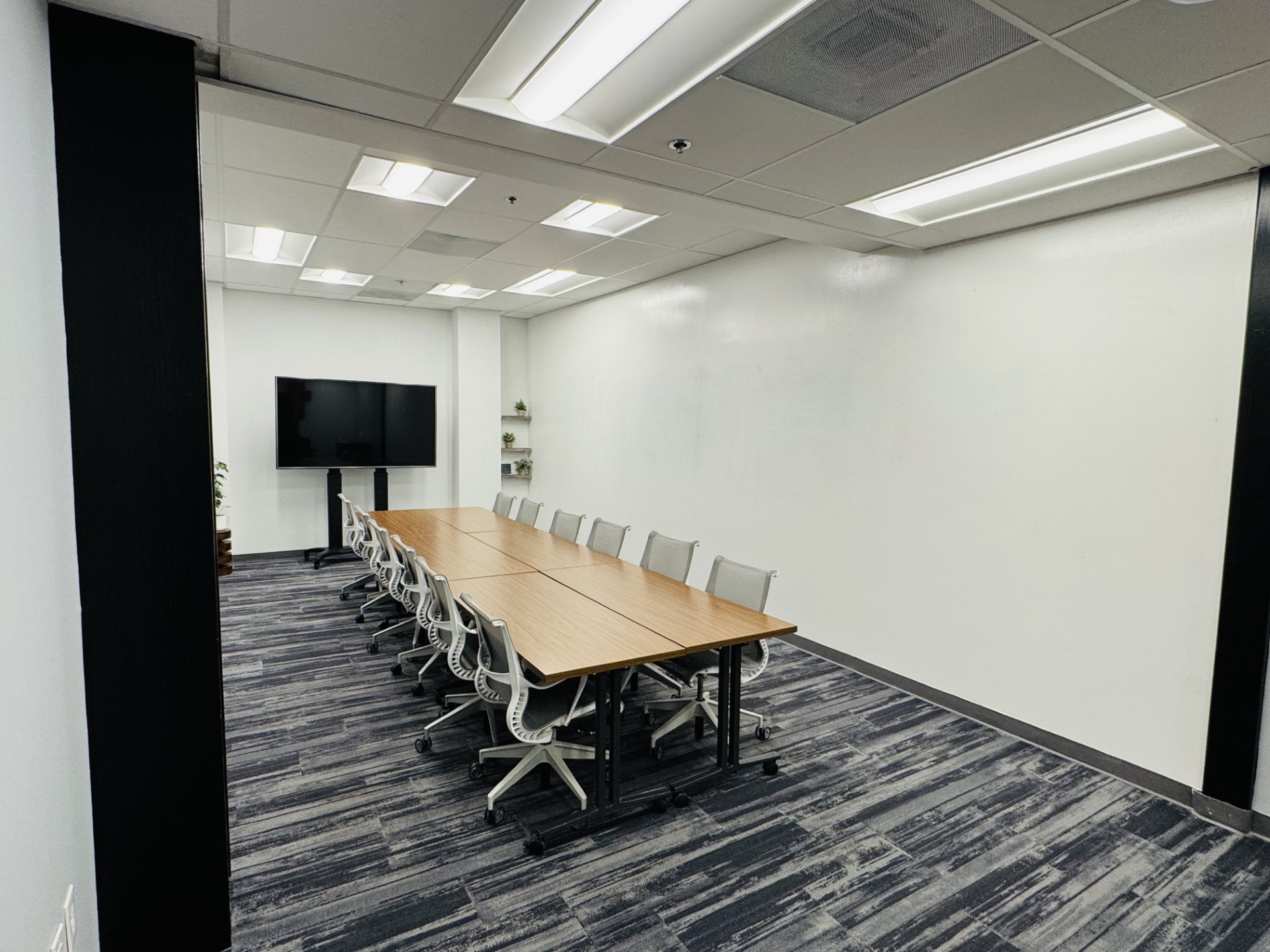
    A high-performing offsite room should handle the basics without drama:

    • Reliable internet
    • Easy display connectivity
    • Clear audio for hybrid calls
    • Comfortable seating for longer sessions
    • Whiteboards or writing surfaces for planning
    • Enough privacy for sensitive conversations

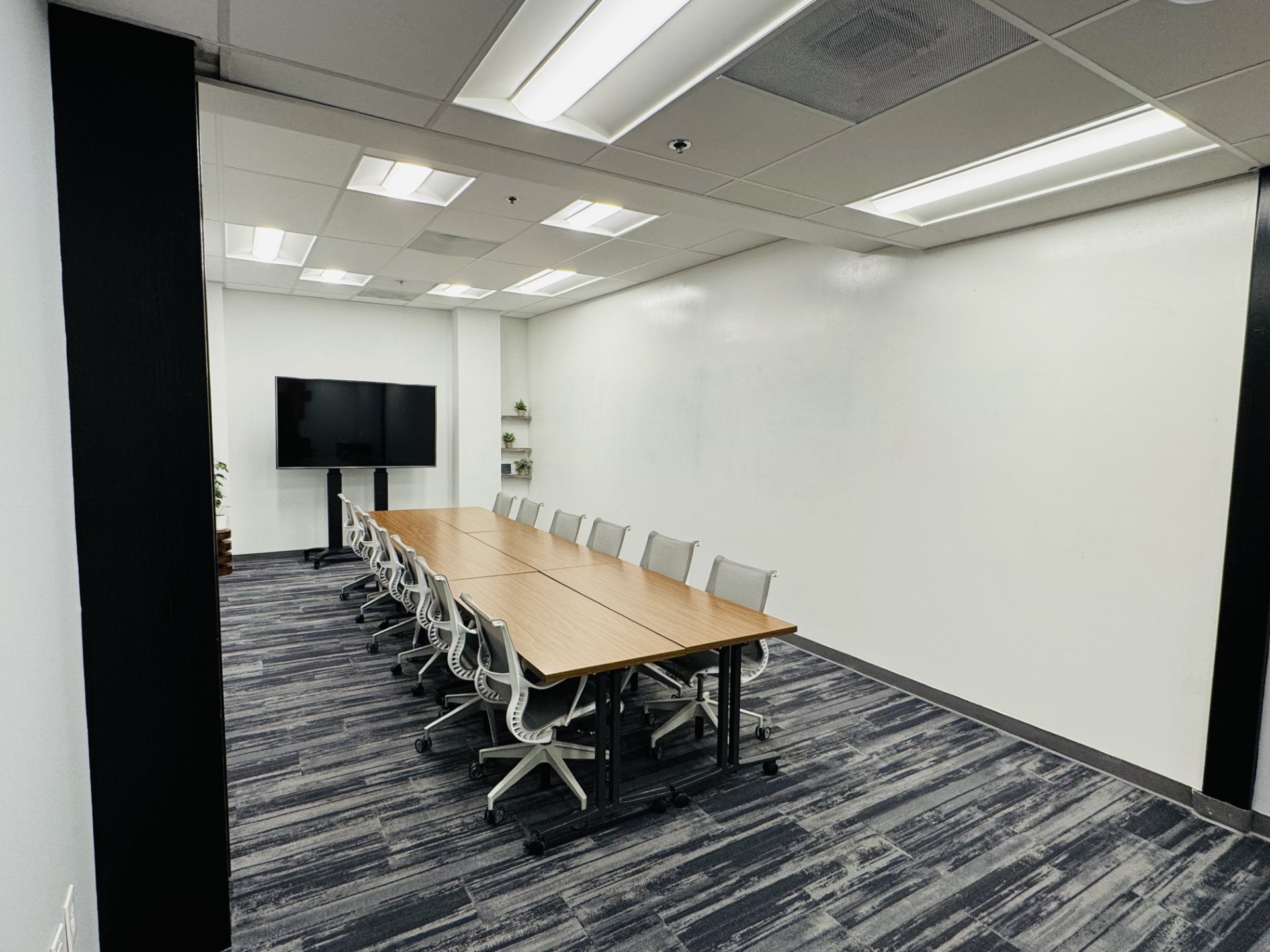
    Granite City’s meeting rooms are built for that kind of work. They are professional without feeling stiff. They are polished without adding friction. Operators can walk in, get laptops open, and get started.

    That matters because offsites are expensive even when the room itself is not. If you have six, eight, or 12 people in one room for half a day, every delay multiplies. The right room protects the value of the time you already committed to spend. If you are exploring broader workspace options for your team, our post on traditional lease vs. private office in Folsom offers a useful framework for when flexibility beats fixed overhead.


    How do coworking meeting rooms compare to hotel conference rooms or coffee shops?

    Coworking meeting rooms usually outperform hotel conference rooms and coffee shops because they remove more friction for local business teams. You get privacy, reliable infrastructure, and business-ready space without the noise of a café or the overhead of a hotel.

    Coffee shops seem easy until you try to run a real meeting in one. The background noise rises and falls all day. Seating is inconsistent. Outlets are limited. Confidential conversations stop being confidential the second another customer sits nearby. Even when the coffee is good, the environment is not built for alignment work, budget discussions, hiring conversations, or strategy sessions.

    Hotel conference rooms solve the privacy problem, but they often introduce a different kind of drag. The booking process can be slower. The room may cost more than the meeting needs. Parking can feel inconvenient or expensive. Catering minimums and service fees can push up the bill. The atmosphere can also feel generic, which is not ideal when you are trying to create a focused working session rather than host a formal event.

    That is where coworking meeting rooms win. They tend to be scaled correctly for the kind of meetings most local companies actually run. You get the essentials that matter and less of the bureaucracy that does not.

    The burden-removal difference is practical:

    • Coffee shops create distractions you have to manage in real time.
    • Hotels add layers like parking friction, hidden costs, and more process than most teams need.
    • Coworking venues remove both problems by giving you a professional room that is easier to access and easier to use.

    According to SHRM, employers continue to invest in workplace connection and intentional collaboration because engagement and productivity improve when teams have the right conditions for effective in-person interaction (SHRM Workplace Research).

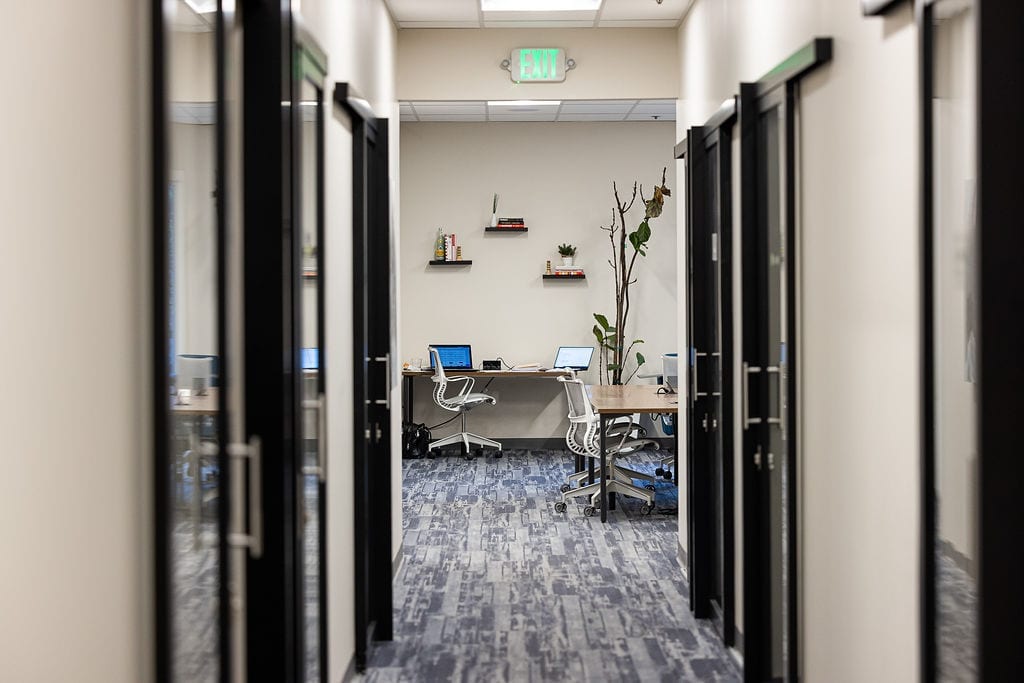
    Bright private office and breakout area at Granite City Workspaces in Historic Folsom, illustrating the kind of quiet, professional environment local teams use for executive planning and focused collaboration

    For local operators, there is also a geographic advantage. Instead of pushing everyone into downtown Sacramento traffic or sending a team farther west for a meeting that could happen closer to home, a Folsom location reduces commute drag. That means people arrive with more attention left for the work itself.

    If your team is thinking beyond one-off meetings and looking at flexible local infrastructure, our article on satellite offices along the Hwy 50 corridor explains why more companies are choosing distributed local work hubs.


    Why are Folsom and the Hwy 50 corridor strong choices for offsite meetings?

    Folsom works well for offsites because it is central, accessible, and easier to navigate than larger downtown markets. Teams can meet in a professional setting without turning a half-day strategy session into a full travel day.

    Historic Downtown Folsom sits in a practical middle zone for teams coming from El Dorado Hills, Rancho Cordova, Orangevale, Fair Oaks, and nearby Sacramento neighborhoods. That matters. When the drive is easier, attendance is easier. When parking is simpler, arrival is calmer. When the district is walkable, breaks feel useful instead of disruptive.

    The Hwy 50 corridor is also becoming more relevant for startups, consultants, and established teams that want proximity to Sacramento without downtown overhead. As we covered in why the Hwy 50 AI Corridor is the best place to grow your startup, the region continues to attract operators who want practical infrastructure and easier access to clients, talent, and partners.

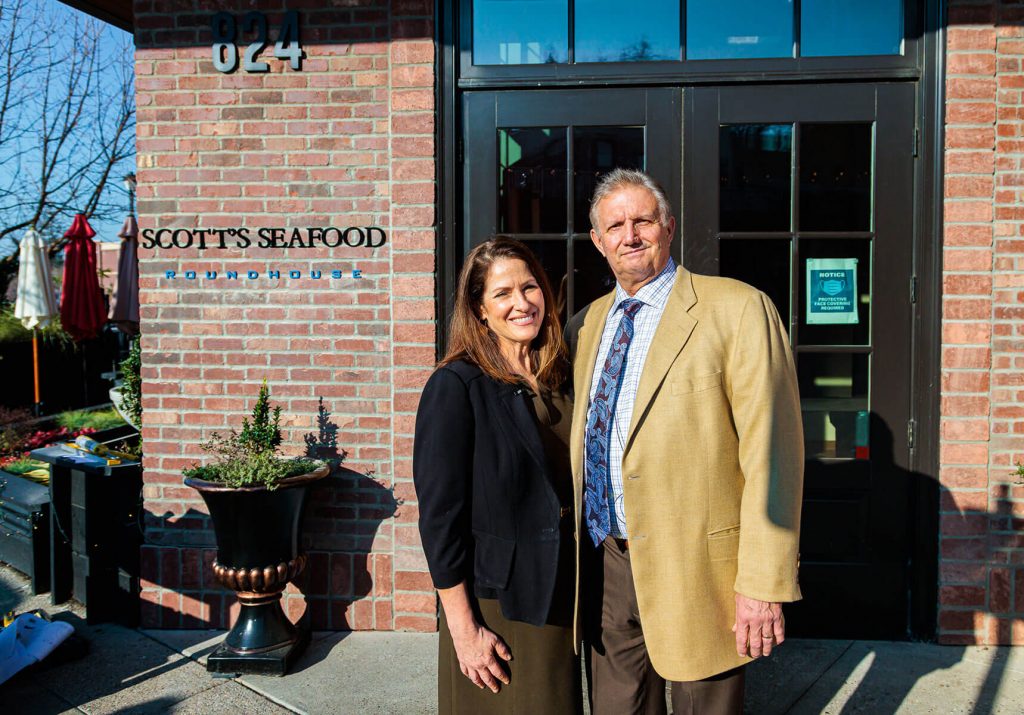
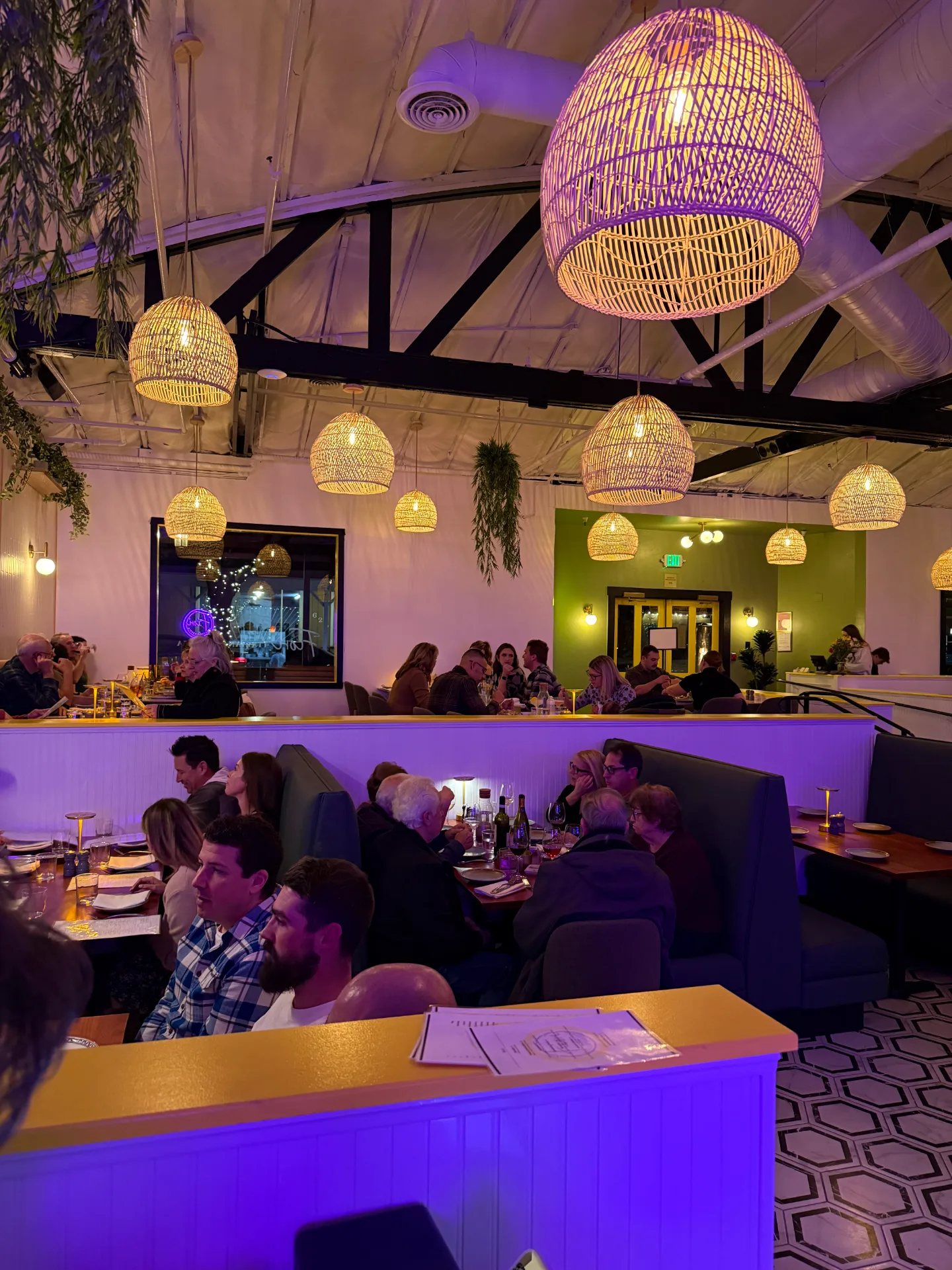
    There is also a tone benefit. Offsites in Historic Folsom feel grounded. You are not tucked into a sterile ballroom. You are meeting in a real business district with character, walkability, and nearby dining. If the day calls for extending the conversation after the agenda wraps, our guide to Founder’s Dinner spots for closing deals in Historic Folsom is a good next read.


    What logistics should you consider when hosting an offsite in Historic Folsom?

    The big logistics are parking, coffee, walkability, and how fast your team can move in and out of breaks. Historic Folsom works because those details are easier to manage than they are in larger downtown or hotel settings.

    Parking is the first stress test of any offsite. If people circle blocks, pay unexpected fees, or arrive irritated, the session starts behind schedule before anyone opens a laptop. A Folsom location helps because parking is generally more straightforward than in larger urban cores. Local teams can get in, park, and get upstairs without the long check-in flow or sprawling campus feel that often comes with hotels.

    Walkability is the next advantage. Historic Folsom gives your team options without forcing everyone back into their cars. If you need a short reset between sessions, a lunch break that does not eat 90 minutes, or a one-on-one walking conversation after a strategy block, the area supports that naturally. Sutter Street is nearby, so your team can step out for food or continue a conversation without turning the day into a logistics exercise.

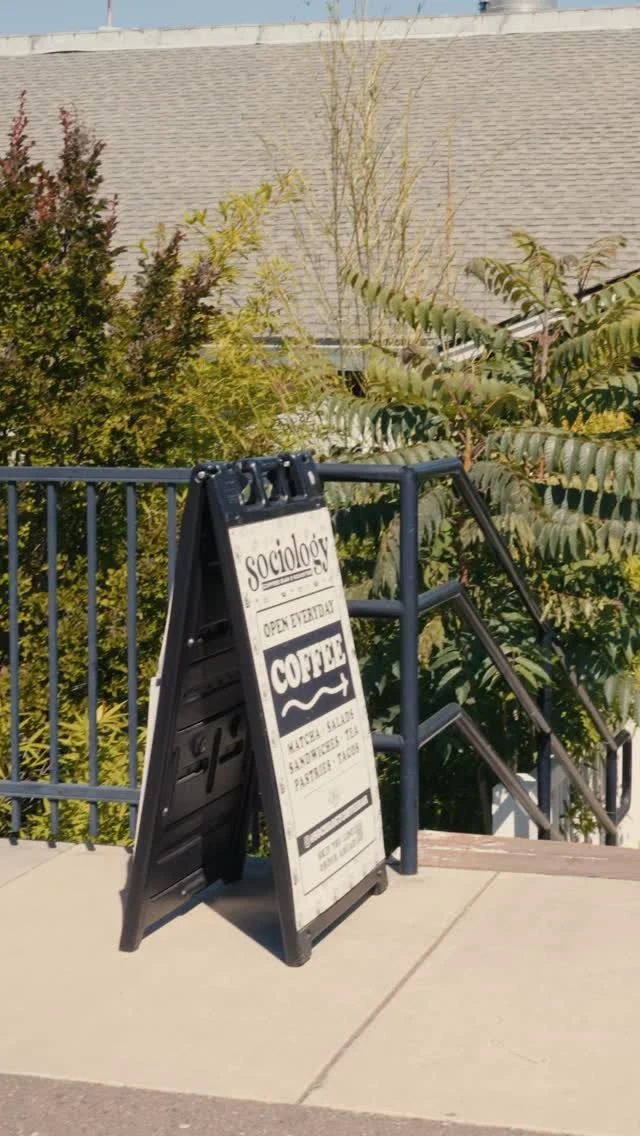
    Coffee matters more than most planners admit. One weak part of a meeting day is the scramble between sessions when half the group disappears to hunt down caffeine. Granite City has a practical advantage here: Sociology Coffee is in the same building. That keeps breaks short and useful. People can grab coffee, reset, and get back to work without losing the room’s momentum.

    Here are a few logistics questions worth answering before you book:

    • How many people are driving separately?
    • Will anyone be joining remotely?
    • Do you want the team to walk to lunch, stay nearby, or keep breaks short?
    • Do you need a room that supports long planning sessions, presentations, or both?
    • Would same-building coffee improve the flow of the day?

    Good logistics are mostly invisible. That is the point. Your team should spend energy on decisions, not on parking, caffeine runs, or figuring out where to regroup after lunch.


    How do you prepare your team for a productive offsite session?

    A productive offsite starts before the meeting begins. Clear agendas, pre-reading, and a room built for focus help teams use in-person time for decisions instead of information catch-up.

    The first step is defining the outcome. What must be true by the end of the session? Maybe the team needs alignment on quarterly priorities. Maybe leadership needs to resolve a blocked initiative. Maybe a client-facing group needs to workshop messaging, staffing, or timelines. If the outcome is vague, the meeting usually drifts.

    Once the outcome is clear, set the agenda around decision points. Time-box each section. Assign an owner. Make it obvious what needs discussion and what simply needs review. That is where pre-reading earns its keep. If everyone arrives already familiar with the financials, project updates, or planning memo, the room can be used for discussion rather than silent reading.

    Environment matters here too. A room with privacy, strong connectivity, and enough visual tools to work through issues in real time gives your team a better shot at leaving with clarity. That is why a real meeting room in Folsom is different from borrowing a corner of a café or improvising around a hotel conference table.

    A short preparation checklist helps:

    • Define one primary outcome
    • Send pre-reading 24–48 hours early
    • Build an agenda with owners and time blocks
    • Decide how hybrid attendees will participate
    • End with clear next steps, owners, and deadlines

    When the room and the preparation work together, the offsite becomes useful fast. If you are ready to line up your next session, explore Granite City’s meeting room rentals for availability, room fit, and booking details. If you have a custom setup or recurring need, you can also contact Granite City directly.


    Frequently Asked Questions

    What types of meeting rooms are available in Folsom?
    Granite City Workspaces offers professional hourly meeting rooms in Historic Downtown Folsom, including rooms suited for team planning, client meetings, and hybrid strategy sessions.

    How do coworking meeting rooms compare to hotel conference rooms?
    Coworking meeting rooms are usually easier to book, more flexible, and less burdened by hidden fees, parking friction, or catering minimums than hotel conference rooms.

    Why is Historic Folsom a good location for an offsite?
    Historic Folsom is centrally located for local teams, offers easier parking, walkability to Sutter Street, and convenient coffee and lunch options that keep the day moving.

    How should I prepare my team for a productive offsite?
    Set a clear objective, send pre-reading before the meeting, build a time-boxed agenda, and choose a room that supports focus, privacy, and collaboration.

    Can Granite City meeting rooms support hybrid sessions?
    Yes, Granite City meeting rooms are designed to support professional hybrid meetings with reliable internet, presentation tools, and a business-ready environment.

  • Why the Hwy 50 AI Corridor is the Best Place to Grow Your Startup in 2026

    Why the Hwy 50 AI Corridor is the Best Place to Grow Your Startup in 2026

    The Highway 50 AI Corridor is the concentrated tech and innovation belt stretching from Rancho Cordova through Folsom and up to El Dorado Hills. In 2026, it has become the strategic choice for startups because it offers a dense ecosystem of senior engineering talent, lower overhead than the Bay Area, and deep institutional support for artificial intelligence and robotics.

    For years, founders felt the magnetic pull of SOMA or Palo Alto. But the landscape has shifted. Today, the "Powered by the Folsom–Rancho Cordova AI Ecosystem" branding isn't just a marketing slogan: it’s a reality backed by a $5 million regional investment in AI and robotics infrastructure. If you're building a Seed to Series A company, the corridor provides the "gravity" you need to scale without the burnout of the 101.

    Why are startups moving to the Hwy 50 AI corridor?

    Startups are relocating here to access a high concentration of senior technical talent who have traded the Bay Area commute for a better quality of life in the Sierra foothills. By positioning your team along Highway 50, you’re placing your company in the center of a workforce that includes veterans from Intel, NVIDIA, and Solidigm.

    We’re seeing a massive wave of "home office graduates." These are founders who spent 2024 and 2025 building in their garages in Folsom or El Dorado Hills and have now reached the point where they need a professional HQ to recruit top-tier talent. They aren't looking for a corporate skyscraper; they want a high-utility, tech-forward environment that reflects their culture.

    The shift is also financial. When you look at the math, a traditional lease in San Francisco or even downtown Sacramento often carries a "distraction tax": the hidden costs of long commutes and high turnover. Many founders are realizing that Why Working From Home Is Costing You More Than You Think (And What Folsom Professionals Are Doing Instead) isn't just about utility bills; it's about the loss of serendipitous collaboration that happens in a dedicated workspace.

    How does the regional AI ecosystem support startup scaling?

    The regional ecosystem supports scaling through a $5 million orchestration platform that connects startups with global partners like NVIDIA and UC Davis for prototyping and research. This infrastructure allows early-stage companies to access "big tech" resources while maintaining the agility of a lean startup.

    A startup member working in a private office at Granite City Workspaces in Folsom

    Being "Powered by the Folsom–Rancho Cordova AI Ecosystem" means more than just having a fast internet connection. It means being part of a digital twin initiative where robotics and AI startups can test intelligent systems in a real-world municipal environment. This level of partnership is rare and provides a competitive advantage for companies in the Highway 50 corridor.

    Furthermore, the corridor is designed for the modern hybrid team. We frequently host companies that maintain a small San Francisco presence but use Folsom as their primary execution hub. For these teams, the perfect 2-day corporate offsite in Historic Folsom serves as a quarterly "sprint" mechanism to align their distributed engineers with the core leadership team.

    What makes Folsom a better hub than the Bay Area for early-stage teams?

    Folsom offers a superior "founder-to-engineer" ratio with significantly lower burnout rates and a local community that is invested in your long-term success. Unlike the transient nature of many Bay Area tech hubs, the Folsom startup scene is rooted in long-term residents who are building companies to last.

    In Folsom, you aren't just another tenant in a managed office park. You’re part of a community where the person at the next desk might be a series-A founder who just navigated the exact hiring challenge you’re facing. The "Gold Rush" spirit is still here, but today it’s about mining data and building neural networks rather than panning for silt.

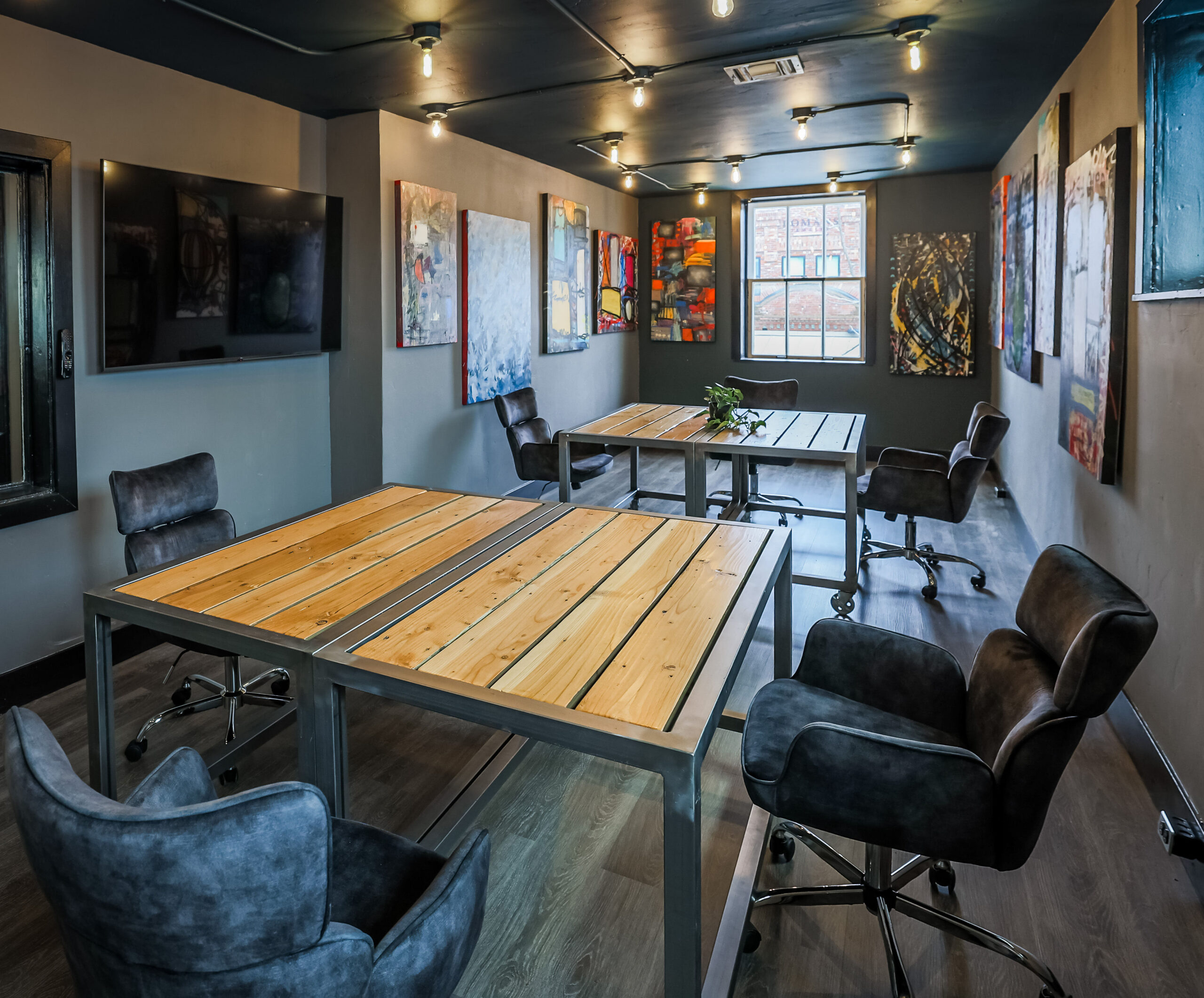
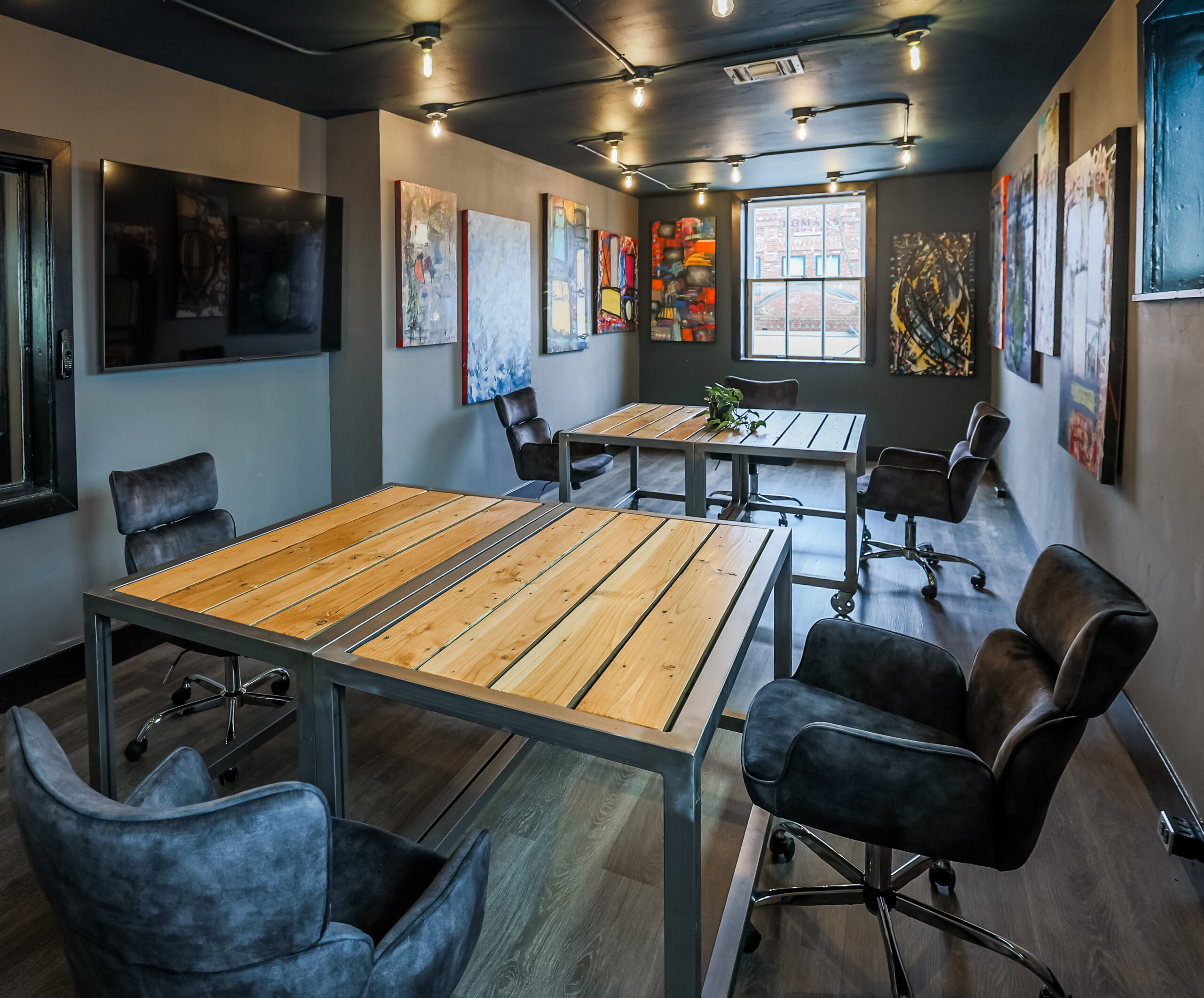
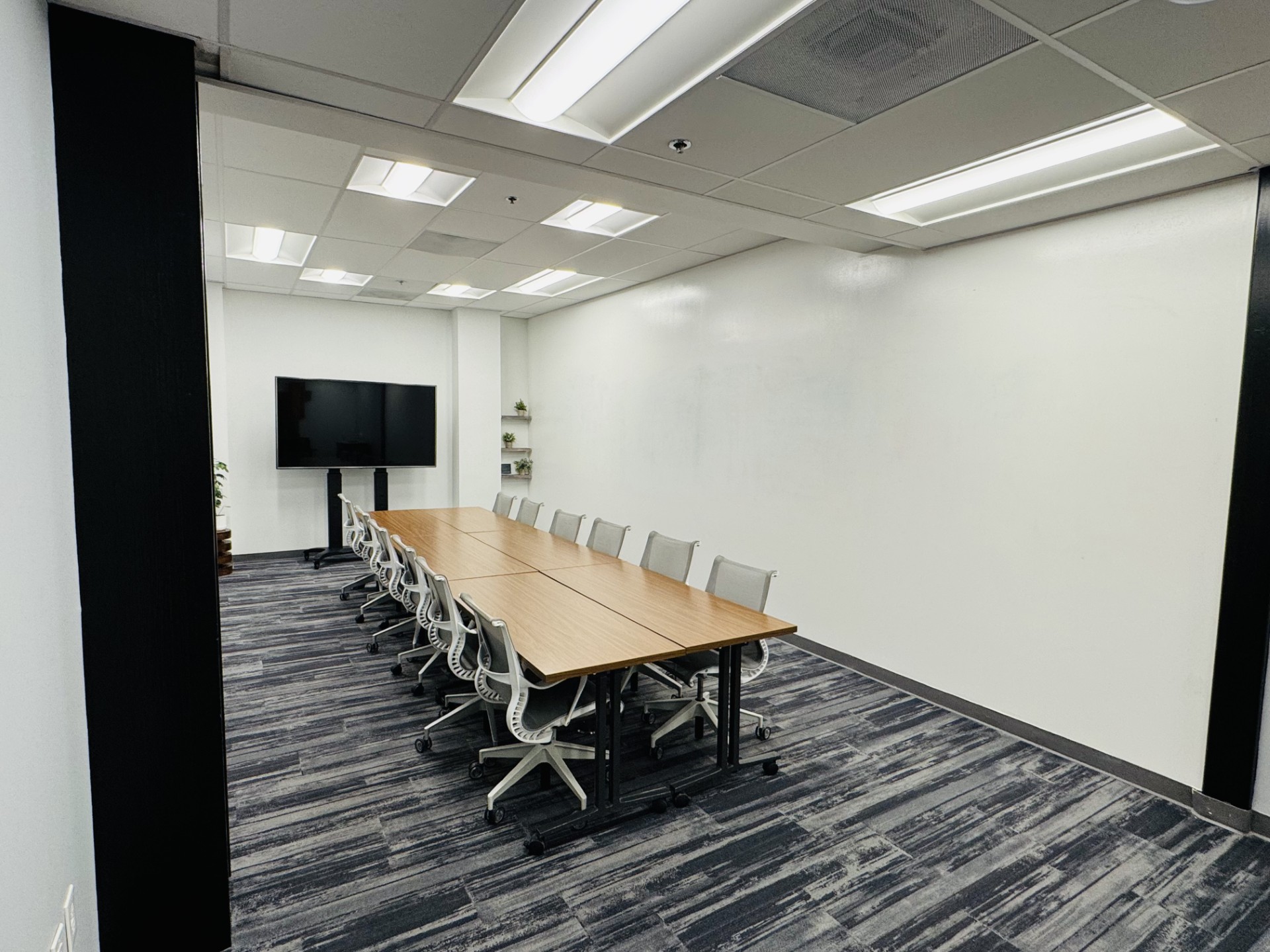
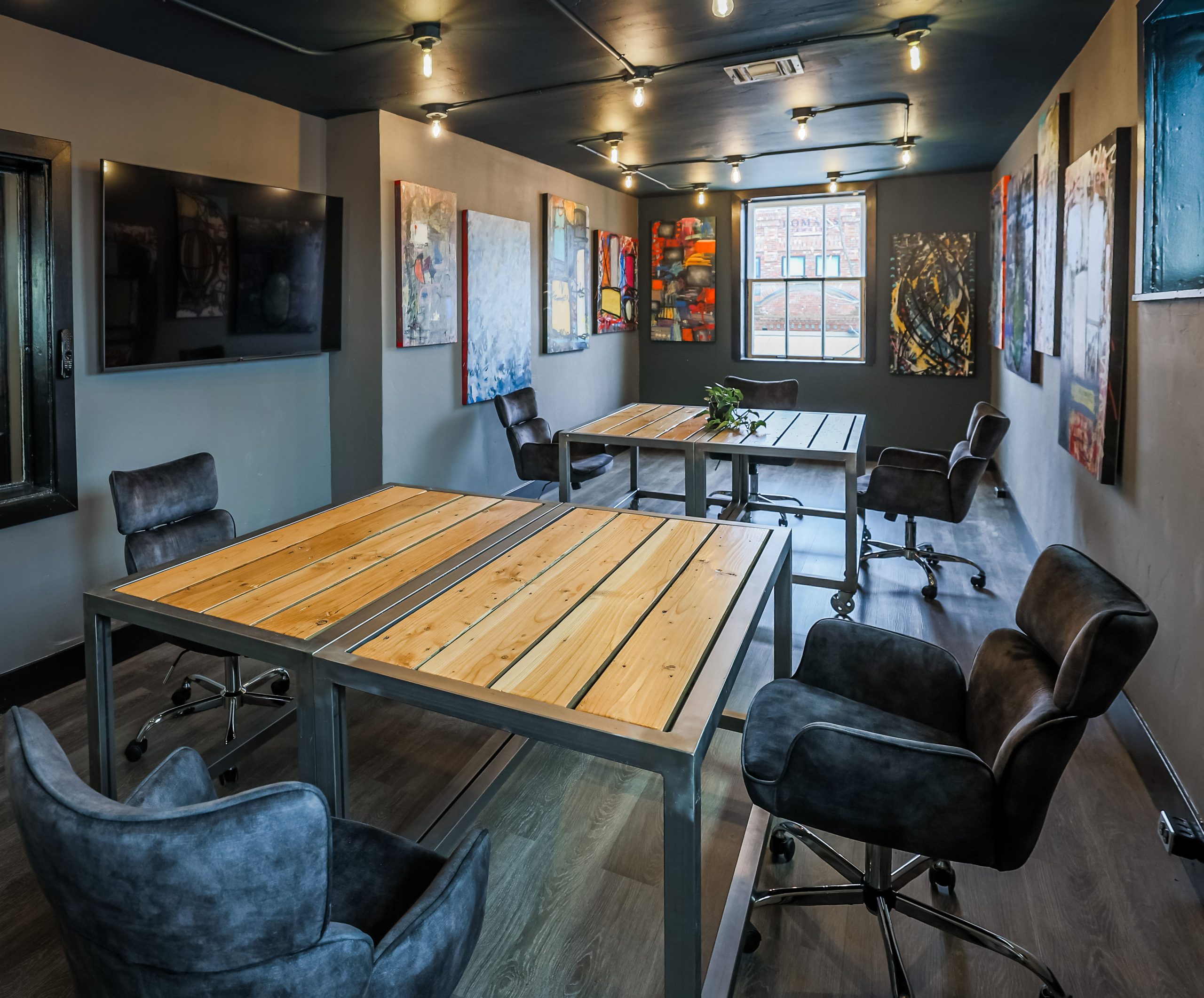
    The Town Hall meeting room at Granite City Workspaces, used for AI team strategy sessions

    The physical environment also plays a role. Granite City Workspaces was designed with the operator-to-operator mindset. We know that a Series A team needs private, secure offices for deep work, but they also need a "Town Hall" for strategy sessions and client meetings. We provide the infrastructure of a global tech firm with the soul of a local Folsom business.

    Where can founders connect with other AI entrepreneurs in Sacramento?

    Founders connect through high-signal local events like frAIdays and invite-only gatherings that prioritize real tactical sharing over generic networking. The Highway 50 corridor has moved away from "mixer" culture toward "builder" culture, where the focus is on shared shipping goals.

    One of the most effective ways to break into the local ecosystem is through The Founder’s Dinner: 3 Upscale Spots for Closing the Deal in Historic Folsom. These events are designed to get the corridor’s most active CEOs in one room to talk about the things that don't make it onto LinkedIn: the real struggles of scaling an AI startup in a rapidly changing market.

    Whether you're looking for a single seat to escape the home office or a team suite for your growing engineering squad, being part of the Granite City community puts you at the center of the Hwy 50 AI Corridor. The future of AI isn't just happening in Silicon Valley; it's being built right here in Historic Downtown Folsom.


    Ready to join the corridor's most tech-forward community?

    The best way to experience the energy of the Highway 50 AI ecosystem is to see it for yourself.


    What is the Hwy 50 AI Corridor?
    The Hwy 50 AI Corridor is a tech-focused region stretching from Rancho Cordova to El Dorado Hills, characterized by a high density of AI and robotics startups and engineers.

    Why is Folsom central to this ecosystem?
    Folsom serves as the geographic and cultural hub of the corridor, offering a mix of historic charm and modern infrastructure that attracts senior technical talent and founders.

    What does “Powered by the Folsom–Rancho Cordova AI Ecosystem” mean?
    It refers to a regional initiative and branding that highlights the $5M investment, partnership with companies like NVIDIA, and the deep integration of AI talent across the US-50 corridor.

    How can startups benefit from moving to the corridor?
    Startups benefit from lower overhead, access to a specialized talent pool, and a collaborative community of founders who are “graduating” from home offices into professional workspaces.

  • Why Working From Home Is Costing You More Than You Think (And What Folsom Professionals Are Doing Instead)

    Why Working From Home Is Costing You More Than You Think (And What Folsom Professionals Are Doing Instead)

    The dream was simple: no more Highway 50 traffic, no more expensive office lunches, and the freedom to work in a hoodie. For a lot of Folsom and El Dorado Hills professionals, the home office seemed like the ultimate efficiency hack.

    But two or three years into this "new normal," the math isn't quite adding up.

    If you’re a founder, a consultant, or a leader of a distributed team, you’ve probably noticed the friction. It’s not just the distraction of the laundry or the dog barking during a board call. It’s a literal, financial, and professional cost that quietly erodes your output.

    In the Highway 50 AI corridor, where focus is the primary currency, working from home might actually be the most expensive way to work.

    The Utility Bill Trap

    Let's talk about the direct costs first. When you work from home in the Sacramento Valley, you aren't just paying for your time; you're paying for the infrastructure of a mini-corporation.

    In 2026, California utility rates aren't getting any lower. Research shows that full-time remote workers see a 15–25% spike in home electricity usage. When you’re running the AC all day in July to keep your home office at 72 degrees, that "free" workspace is suddenly costing you an extra $50 to $150 a month.

    Then there’s the internet. If you’re handling heavy data, AI model training, or back-to-back Zoom calls, that basic residential plan doesn't cut it. Upgrading to a business-tier or high-performance fiber connection adds another $400 to $500 a year to the tally.

    Compare that to coworking in Folsom, CA. At Granite City Workspaces, those costs are bundled. Our unlimited weekday membership is $215 a month. When you subtract the $100 you’re saving on home utilities and the $40 you’re saving on internet upgrades, the "real" cost of a professional membership drops significantly.

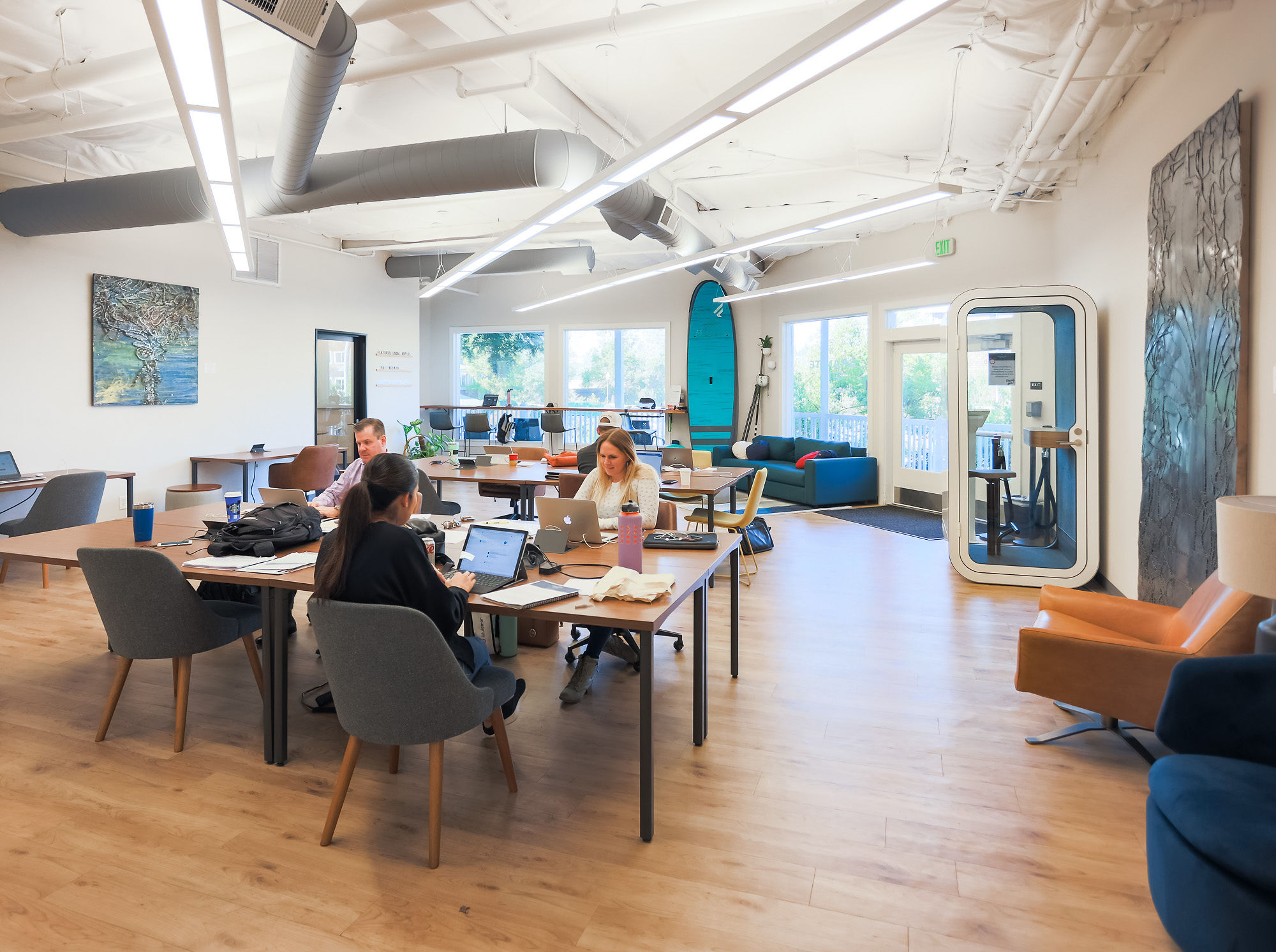
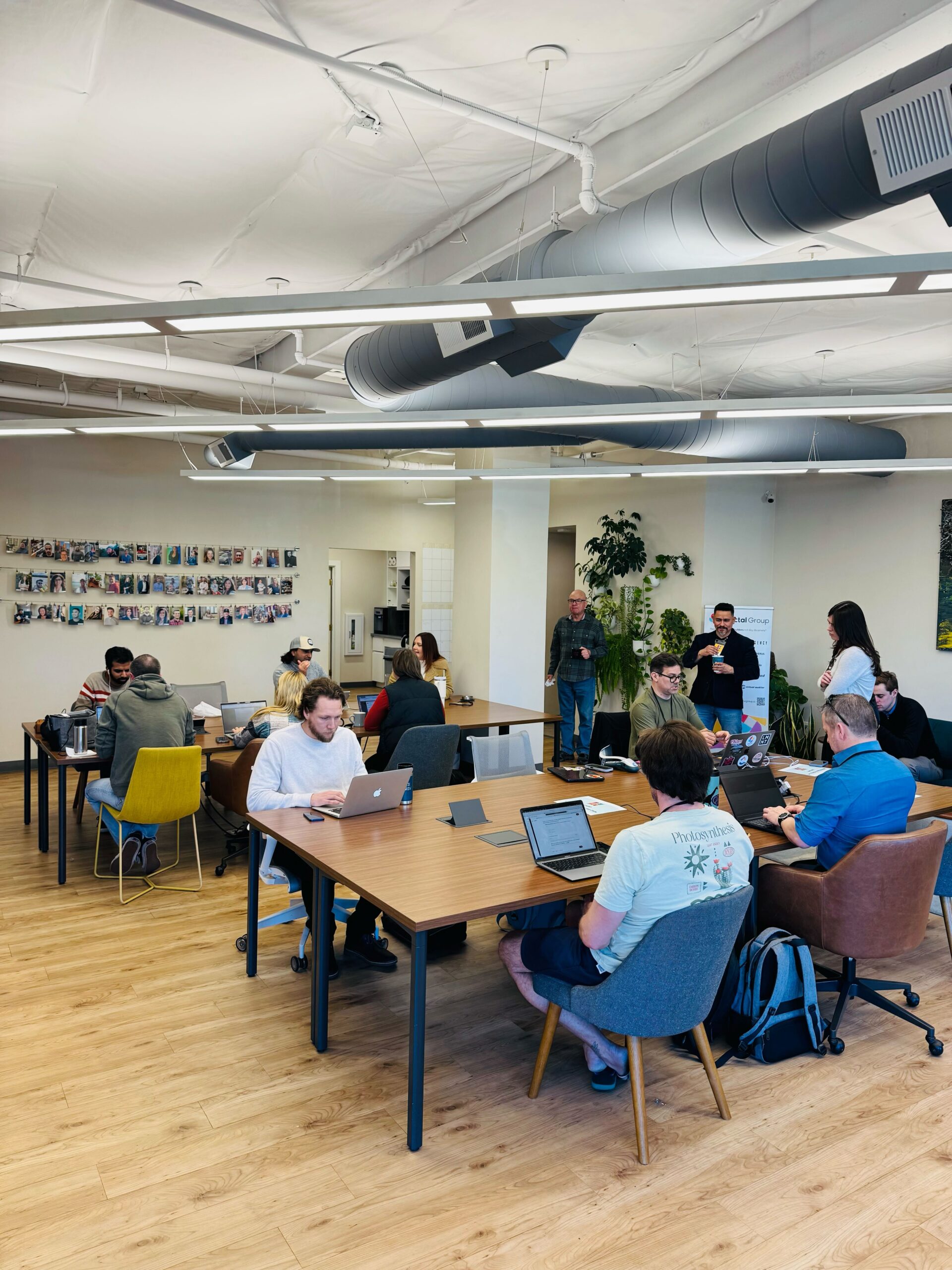
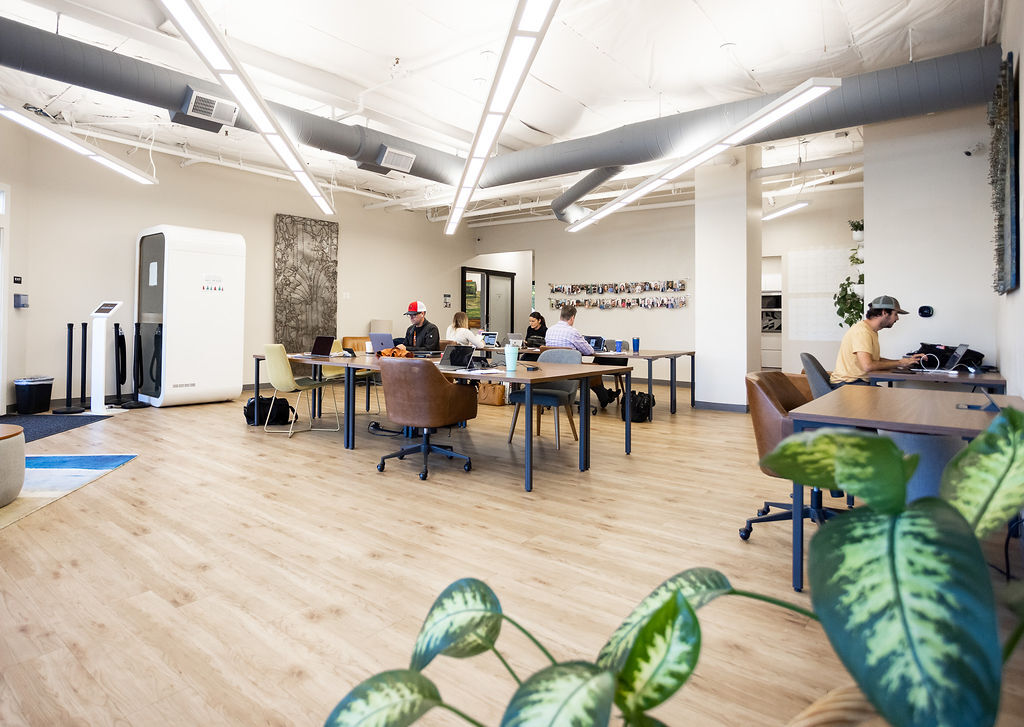
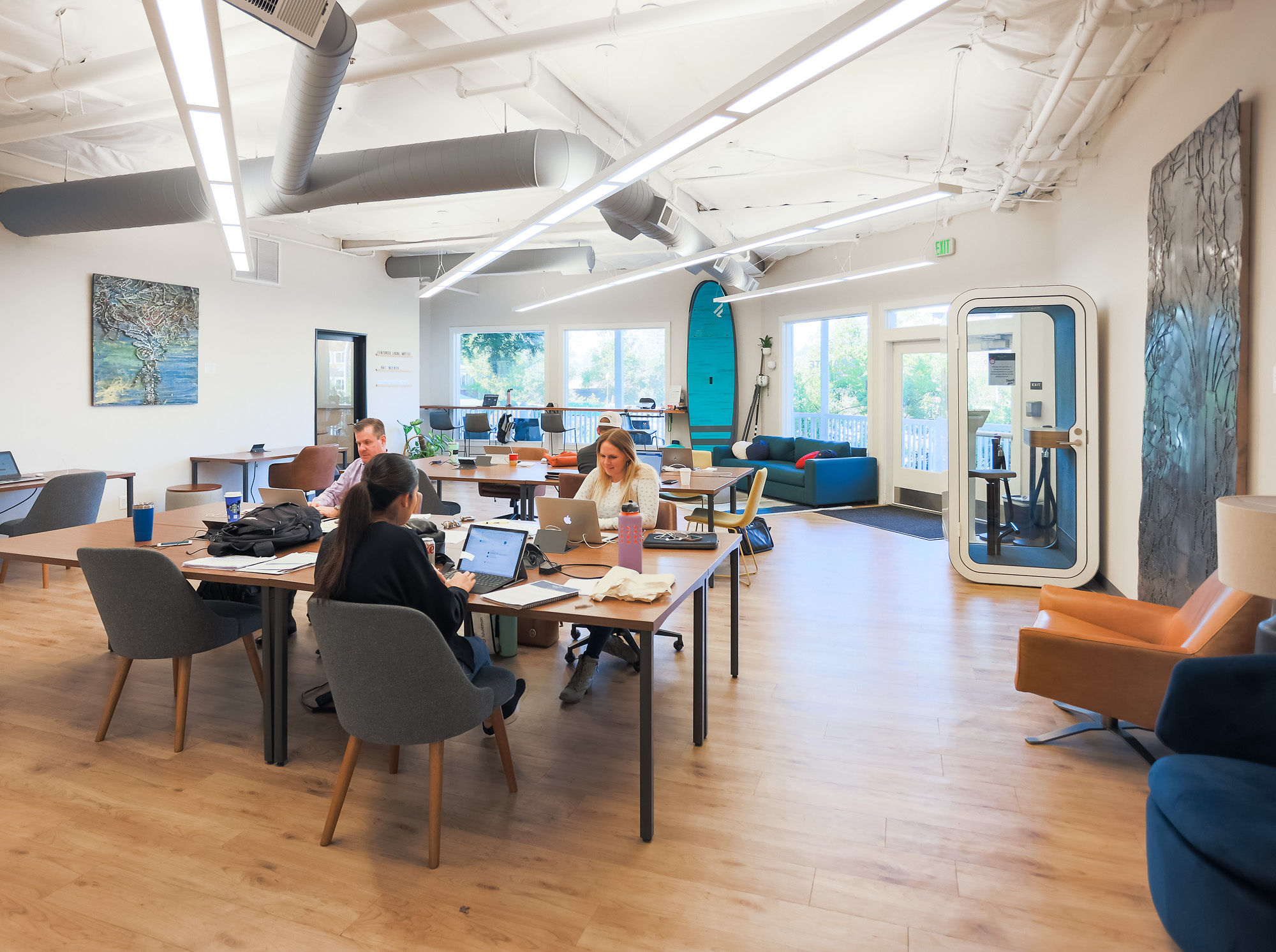
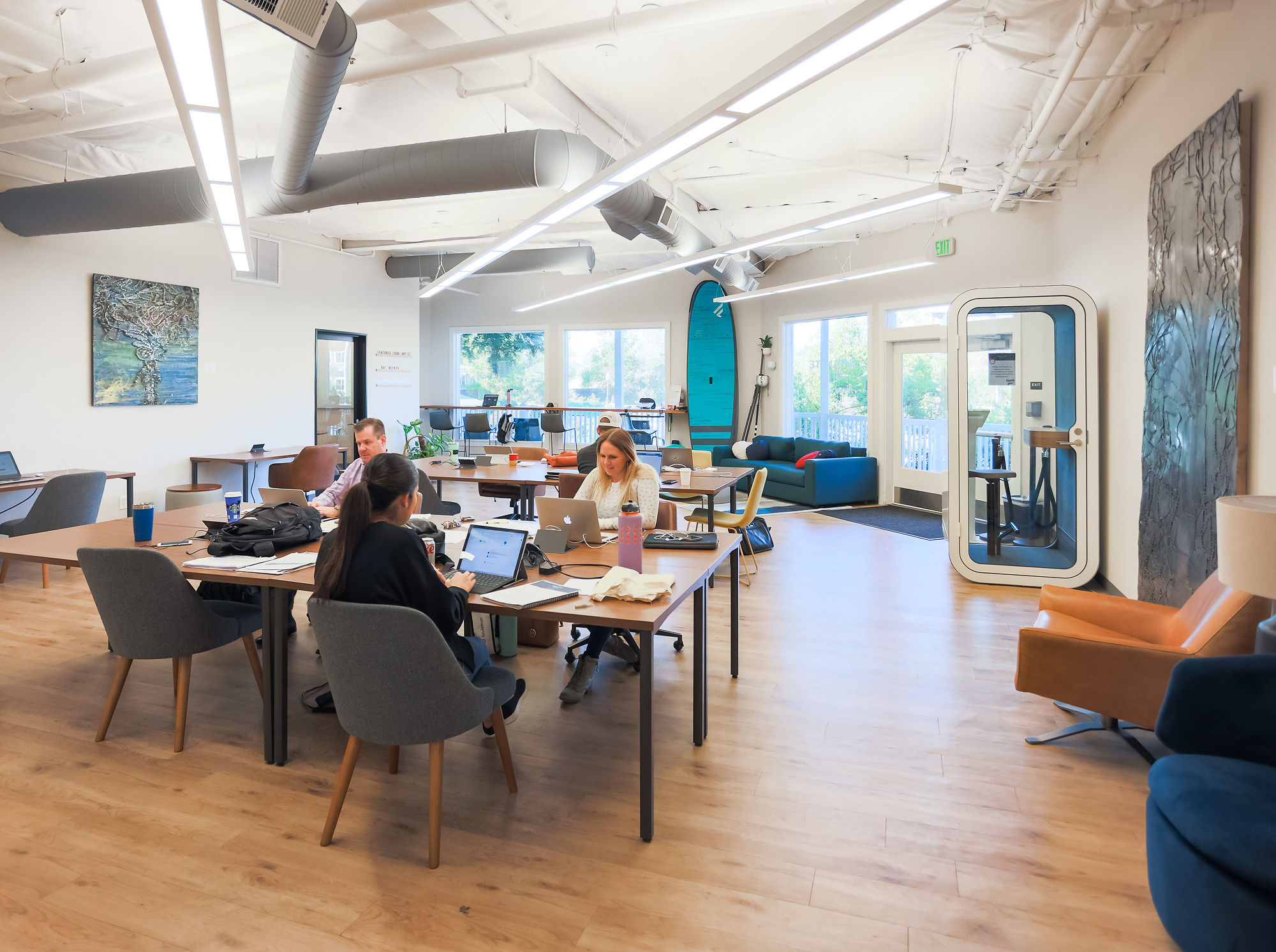
    Main coworking floor at Granite City Workspaces showing shared workstations and ergonomic seating

    The $2,000 Productivity Leak

    Financial costs are easy to track on a spreadsheet. Lost productivity is harder to see, but it’s far more damaging.

    A study cited by the Harvard Business Review suggests the average remote worker loses about 2.5 hours of productivity per day to home-related distractions. This isn't just about Netflix; it’s the "cognitive switching" cost of being in a domestic environment. Your brain knows where the snacks are, it knows which room needs vacuuming, and it knows when the mail arrives.

    For a professional earning $100,000 a year, your time is worth roughly $50 an hour. If you’re losing even two hours of deep focus a day, that’s $100 a day: or $2,000 a month: in lost output.

    When you drive down to Historic Downtown Folsom and walk into Granite City, that mental switch flips. You’re here to work. There are no dishes in the sink. There’s no doorbell. There are just other professionals, from the local AI ecosystem and tech startups, doing the same thing.

    That shift in environment doesn't just "save" time; it creates the kind of high-leverage focus that leads to faster growth and fewer weekend "catch-up" sessions.

    The Slow Decay of Your Professional Network

    There is a hidden, long-term cost to the home office: the shrinking of your professional world.

    The Federal Reserve Bank of New York found that remote workers spend about an hour more alone each day than their office-based counterparts. For a week, that’s fine. For a year, it’s a problem.

    In a world driven by who you know: especially along the Highway 50 tech corridor: isolation is a career risk. When you’re at home, you don't have the "hallway conversations" that lead to a new partnership, a referral, or a crucial piece of market intel.

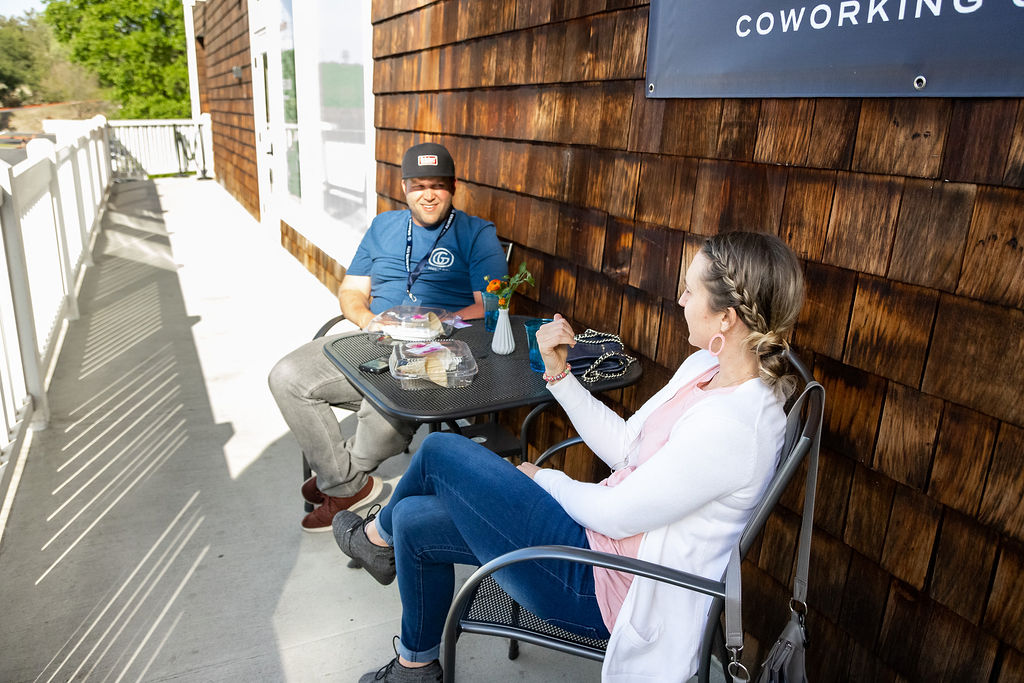
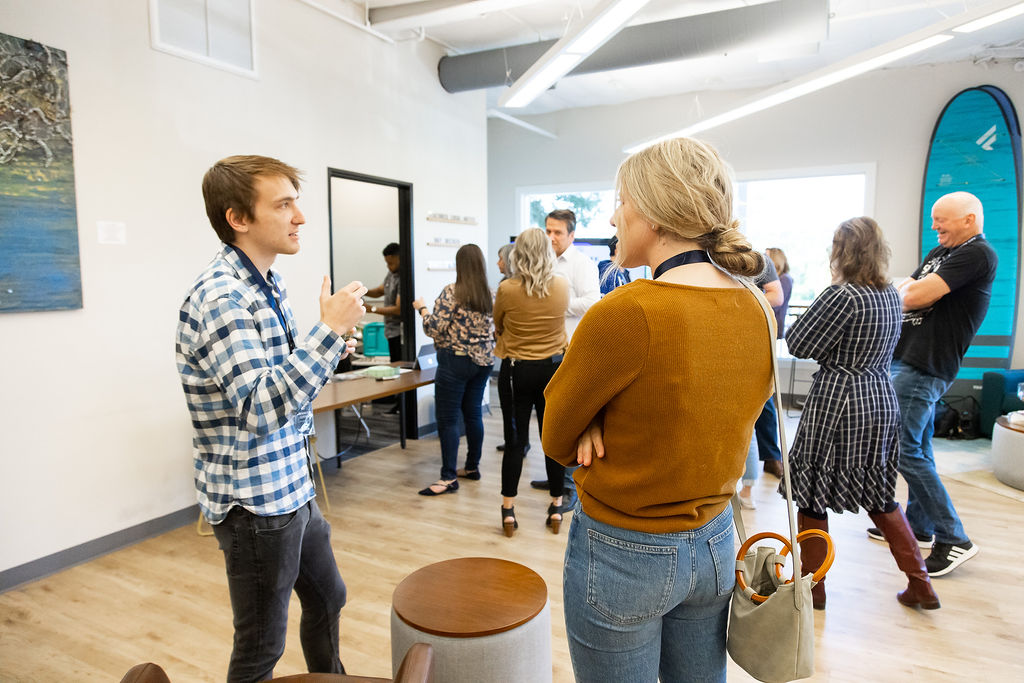
    Members working and networking at Granite City Workspaces

    At Granite City, the person at the next table might be a founder graduating from their home office or an executive managing a distributed team for a Bay Area outpost. These aren't "networking events" with forced small talk; they’re organic, operator-to-operator connections.

    We’ve seen more deals closed and problems solved over our coffee bar than in a dozen scheduled Zoom "coffee chats."

    Why Granite City is the Logical Choice

    We didn't build Granite City to be a "vibrant community" for people to hang out. We built it for operators who need a high-utility environment to get things done.

    We’re located at 705 Gold Lake Dr, right in the heart of Historic Folsom. We’re the only independent, tech-forward workspace in the area that is founder-owned and operated. When you have an issue, you talk to us: not a corporate help desk in another time zone.

    Our memberships are designed to be low-friction:

    • Coworking Memberships: From a few days a month to 24/7 access.
    • Private Offices: For teams of 3–15 or single-seat executives who need a permanent, secure base.
    • Hourly Meeting Rooms: For when you need a polished, professional place to meet clients or run a board session.

    Soundproof phone booths for private calls at Granite City

    Whether you’re escaping the home office or reducing a massive Bay Area footprint, we provide the smart-building infrastructure you need without the commute to Sacramento or San Francisco.

    The 10-Minute Setup

    We know you’re busy. Moving your "base of operations" shouldn't be a project. That’s why we’ve streamlined the onboarding process to be as fast as possible.

    It starts with a free one-week coworking trial. No credit card required. No commitment.

    Once you sign up, you just drop by between 8:30 am and 4:00 pm, Monday through Friday. We’ll do a 10-minute setup visit where we give you your keys, get you on the high-speed Wi-Fi, and show you where the coffee is.

    That’s it. Ten minutes later, you’re at a desk, productive and focused.

    Take Your Workday Back

    The "Gold Rush" might be part of Folsom’s history, but the real wealth in this corridor today is focus and professional connection. Don't let a "free" home office cost you your best work or your professional network.

    If the home office has stopped working for you, come see how a real workspace feels.

    Start your free one-week trial here

    Not ready for a week? You can also schedule a quick tour or book a day pass at granitecity.io/work-here.

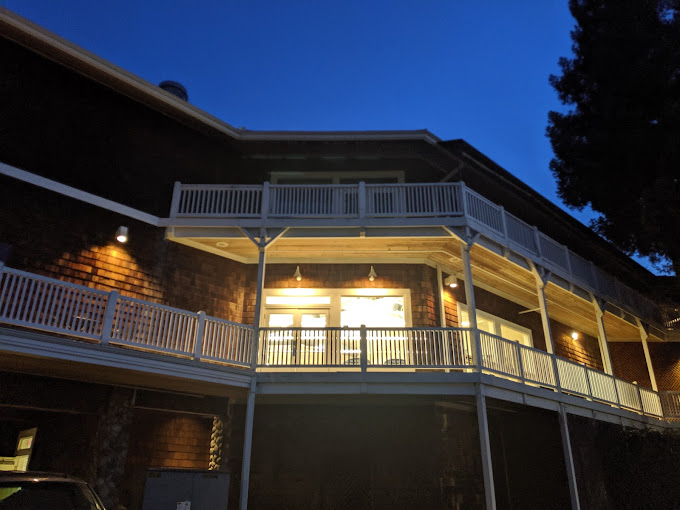
    Exterior of Granite City Workspaces at night in Historic Downtown Folsom

  • Bay Area HQ Vs Folsom Satellite: Why the Highway 50 AI Corridor is Winning in 2026

    Bay Area HQ Vs Folsom Satellite: Why the Highway 50 AI Corridor is Winning in 2026

    The commute to San Francisco used to be a badge of honor for tech talent in the Sacramento region. In 2026, it’s increasingly seen as a logistical failure.

    We’re seeing a massive shift in how Bay Area companies think about footprint. The "HQ-centric" model is giving way to distributed outposts along the Highway 50 AI corridor. For professionals in Folsom, El Dorado Hills, and Rancho Cordova, the choice is no longer between a three-hour round trip or working from a kitchen table.

    The infrastructure is finally here to support a different way of working. With the completion of the Fix50 multimodal project and the increased frequency of the Gold Line light rail into downtown Folsom, the friction of regional travel has dropped significantly.

    But it’s not just about easier transit. It’s about where the actual work gets done.

    The Rise of the Highway 50 AI Corridor

    The stretch of Highway 50 from Rancho Cordova through Folsom and up to El Dorado Hills has quietly become the "AI Corridor." It’s a concentration of engineers, founders, and consultants who realized they didn’t need to be in SOMA to build world-class software.

    Bay Area firms are reducing their San Francisco footprints and opening "satellite hubs" right where their senior talent lives. They’ve realized that a 35-year-old Lead Engineer in El Dorado Hills is more productive in a high-end local office than they are spending ten hours a week on a shuttle or a bridge.

    At Granite City Workspaces, we’re the landing pad for these satellites. We aren't a corporate-run franchise; we're operator-owned and deeply integrated into this regional ecosystem. When you walk in, you’re not just getting a desk; you’re joining a community of people who are actually building things.

    A collaborative workspace area in 'The Loft' at Granite City, designed for team huddles and focused sessions within the Folsom-Rancho Cordova AI ecosystem.

    Why the "Work from Home" Honeymoon is Over

    Working from home was a great experiment, but for the 30-to-55 demographic, the novelty has worn off. If you’re managing a distributed team or running a consultancy, focus is your most valuable currency.

    The distractions of a home office—unreliable Wi-Fi, the neighbor's lawn mower, or the blurring of "work" and "life" boundaries—eventually hit a ceiling. Professionals who value deep work are looking for a "third space" that offers the privacy of an office with the flexibility of a membership.

    Our private offices and coworking memberships are designed for this. We’ve invested in smart-building infrastructure through our sister brand, FollowThrough Works, to ensure the tech stays out of your way.

    Satellite Offices: The New Standard for Distributed Teams

    For teams of 3 to 15, the traditional long-term commercial lease is becoming a liability. A Folsom satellite office at Granite City provides the "HQ feel" without the capital expenditure of a 5-year build-out.

    These teams need more than just a table. They need:

    • Privacy for Calls: Our soundproof privacy booths handle the sensitive Zoom sessions.
    • Professional Meeting Space: When the Bay Area board members or clients fly in, you don’t meet at a coffee shop. You book a polished meeting room.
    • Reliable Connectivity: Managed IT that doesn't go down during a sprint.

    The satellite model allows companies to retain top talent by respecting their time. A 10-minute drive from El Dorado Hills or Fair Oaks beats a commute to the city every single time.

    Local Infrastructure, Global Impact

    The Highway 50 AI corridor isn't just a catchy name. It’s a reflection of the regional talent pool. We’re seeing a surge in startups graduating from home offices and wanting a permanent, dedicated space in Historic Downtown Folsom.

    Being located in the heart of Folsom means you're steps away from Lake Natoma and the best coffee and lunch spots in the region. It’s the professional environment of a downtown high-rise with the soul of a historic California town.

    One of our members recently noted that moving their team here felt like "striking gold" without having to dig. The Gold Rush history of Folsom is a nice nod, but the modern reality is about digital assets and neural networks.

    Getting Started: The 10-Minute Setup

    We know you’re busy. We don’t do "corporate-formal" tours that take an hour of your day.

    If you’re curious about how a satellite office or a coworking membership fits your workflow, come in for a 10-minute setup visit. We’ll show you the floor, get your devices on the secure Wi-Fi, and let you get back to work.

    Members utilizing soundproof phone booths for private calls at Granite City, ensuring confidentiality and focus.

    The transition from a Bay Area HQ to a Folsom satellite is more than a cost-saving measure—it’s a productivity play. If you're ready to stop commuting and start focusing, we're here.

    Ready to skip the commute?

    Claim your Free Week Trial here.

    If you need a more permanent solution for your team, explore our private office options.