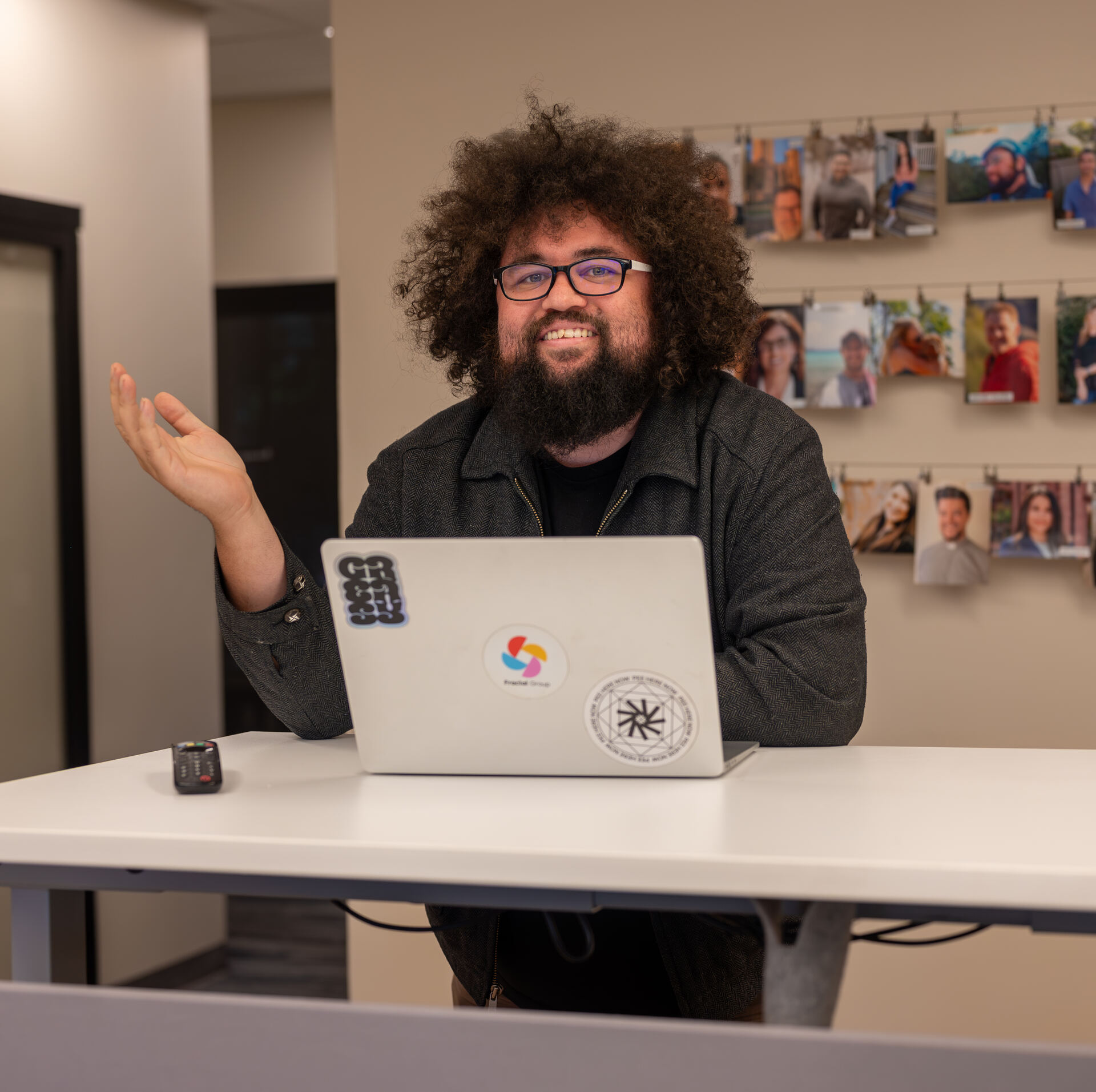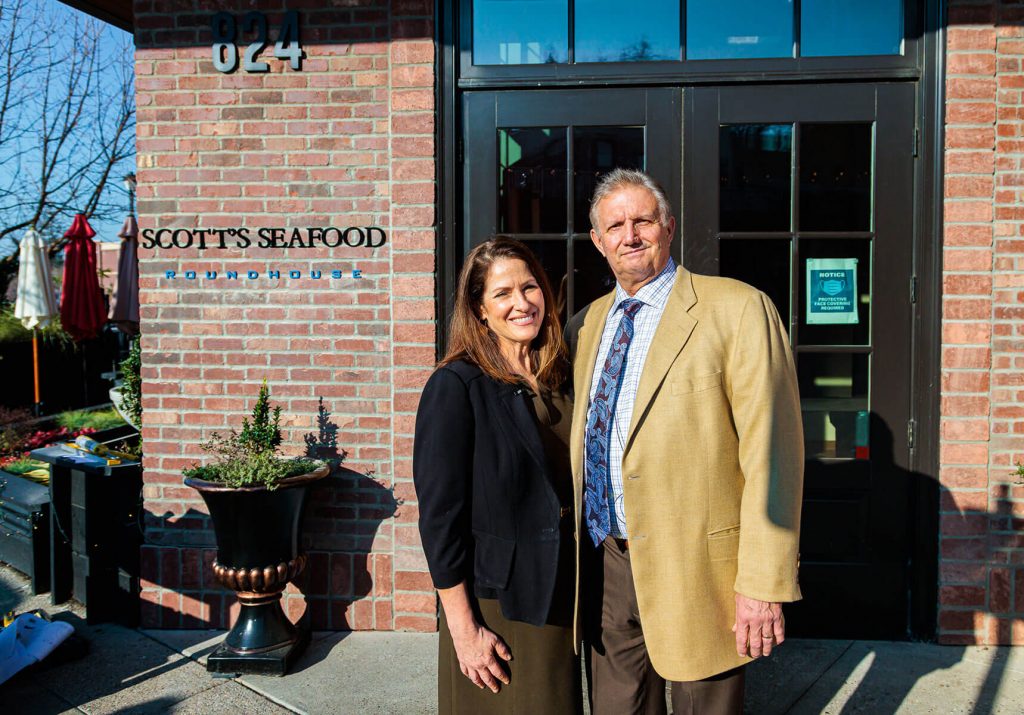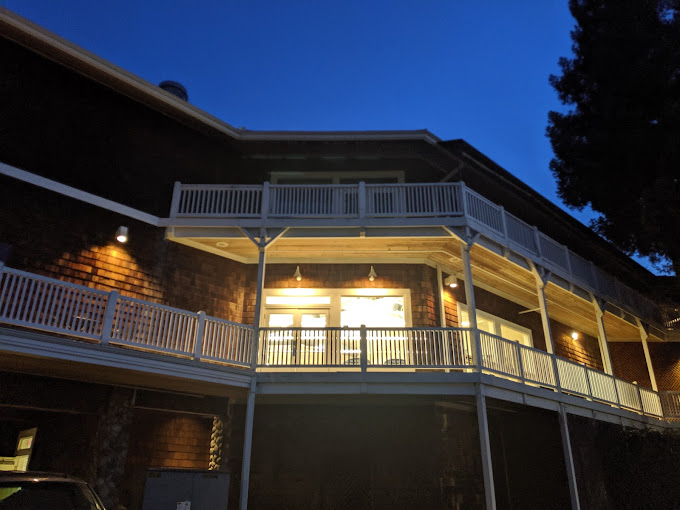
Folsom entrepreneurs build at Granite City because it gives them a professional base, practical infrastructure, and real connection to other people building businesses nearby. Located in Historic Downtown Folsom at 705 Gold Lake Dr, Suite 250, Granite City serves founders and small teams from Folsom, El Dorado Hills, Rancho Cordova, and Sacramento, minutes from Hwy 50. The result is more useful than a desk rental and less rigid than a traditional office lease: a place to focus, meet, and work around other people building in the same region. For founders, that combination removes friction instead of adding another operating problem.
Why are Folsom entrepreneurs choosing Historic Downtown Folsom?
Folsom entrepreneurs choose Historic Downtown Folsom because the location connects a growing local business scene with an accessible regional corridor and a community-oriented setting. Granite City is minutes from Hwy 50, with free on-site parking included, making it practical for members coming from El Dorado Hills, Rancho Cordova, Sacramento, and nearby communities.
Folsom is not simply a convenient midpoint. The City of Folsom Economic Development department describes a business community with a strong tech orientation, ranging from corporate partners to small businesses. The City also works with the Folsom Economic Development Corporation and Choose Folsom to support new, expanding, and legacy businesses. That combination gives entrepreneurs something important: a local market where small companies are treated as part of the economic foundation, not as an afterthought.
The local scale matters, too. The U.S. Census Bureau’s QuickFacts profile for Folsom puts the city’s population at an estimated 91,983 as of July 1, 2025, up from 80,454 in the 2020 Census. That is a substantial community for independent professionals, consultants, service businesses, and small teams to serve without needing a downtown Sacramento or Bay Area address.
The location also puts Granite City near the wider Hwy 50 AI Corridor and its startup context. For a founder, that means building close to home while staying connected to regional business activity.
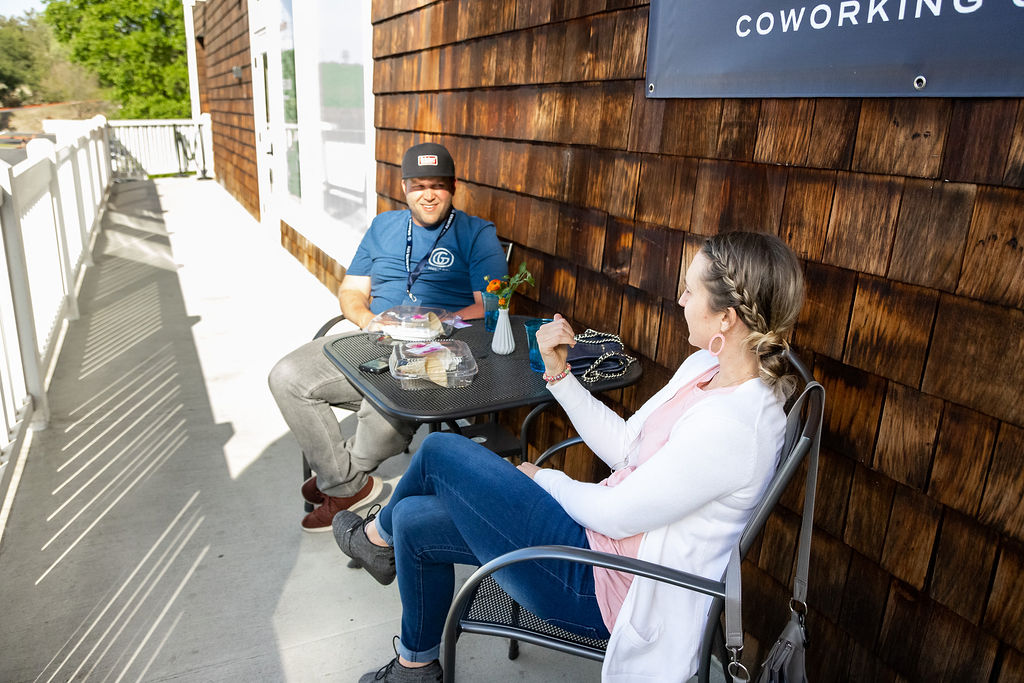
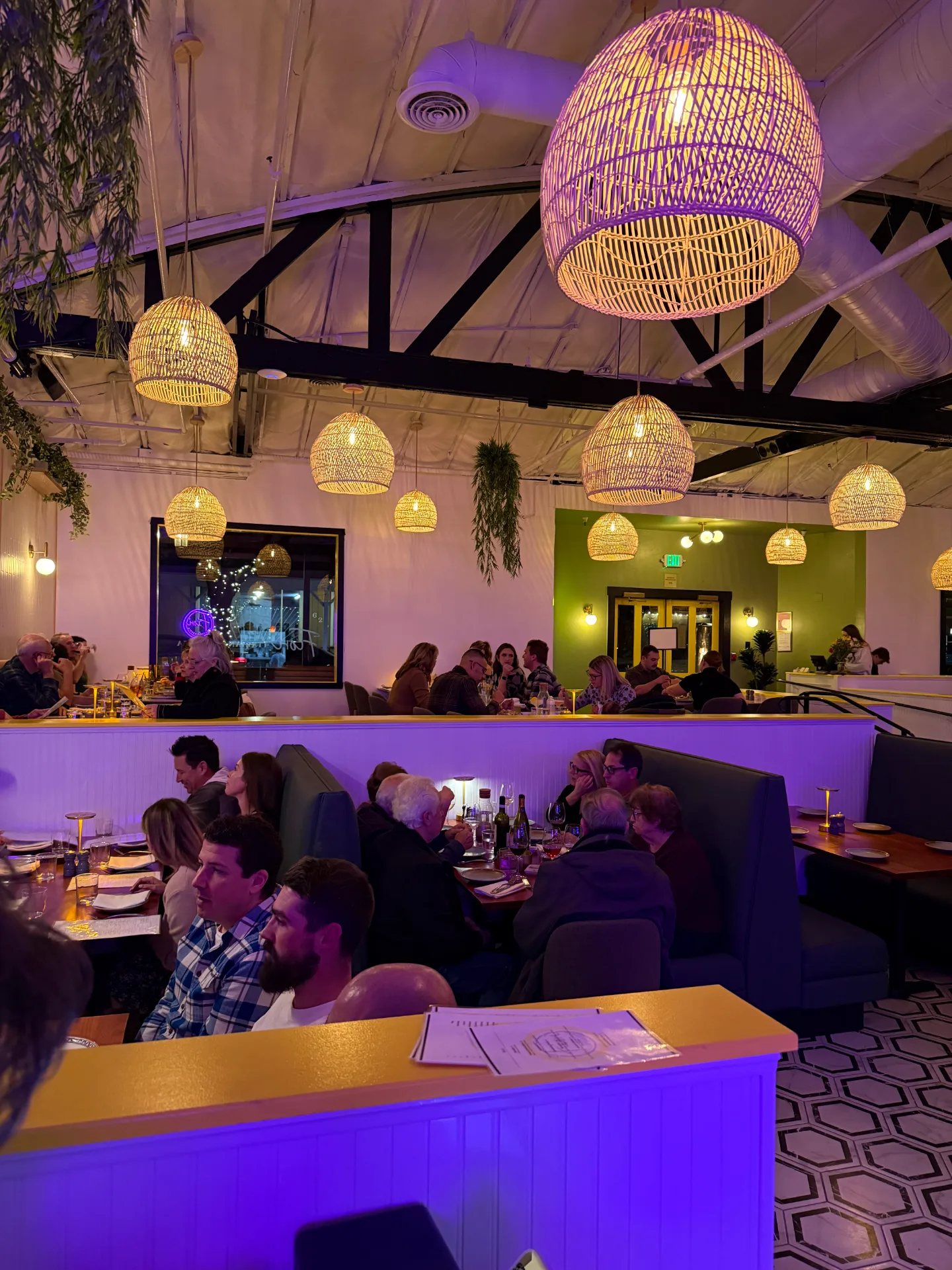
Historic Downtown Folsom adds another practical advantage. A founder can work from Granite City, walk to nearby coffee or lunch, and bring a client or collaborator to a professional address without turning the day into a commute problem.
What do Folsom founders and small teams get beyond a desk?
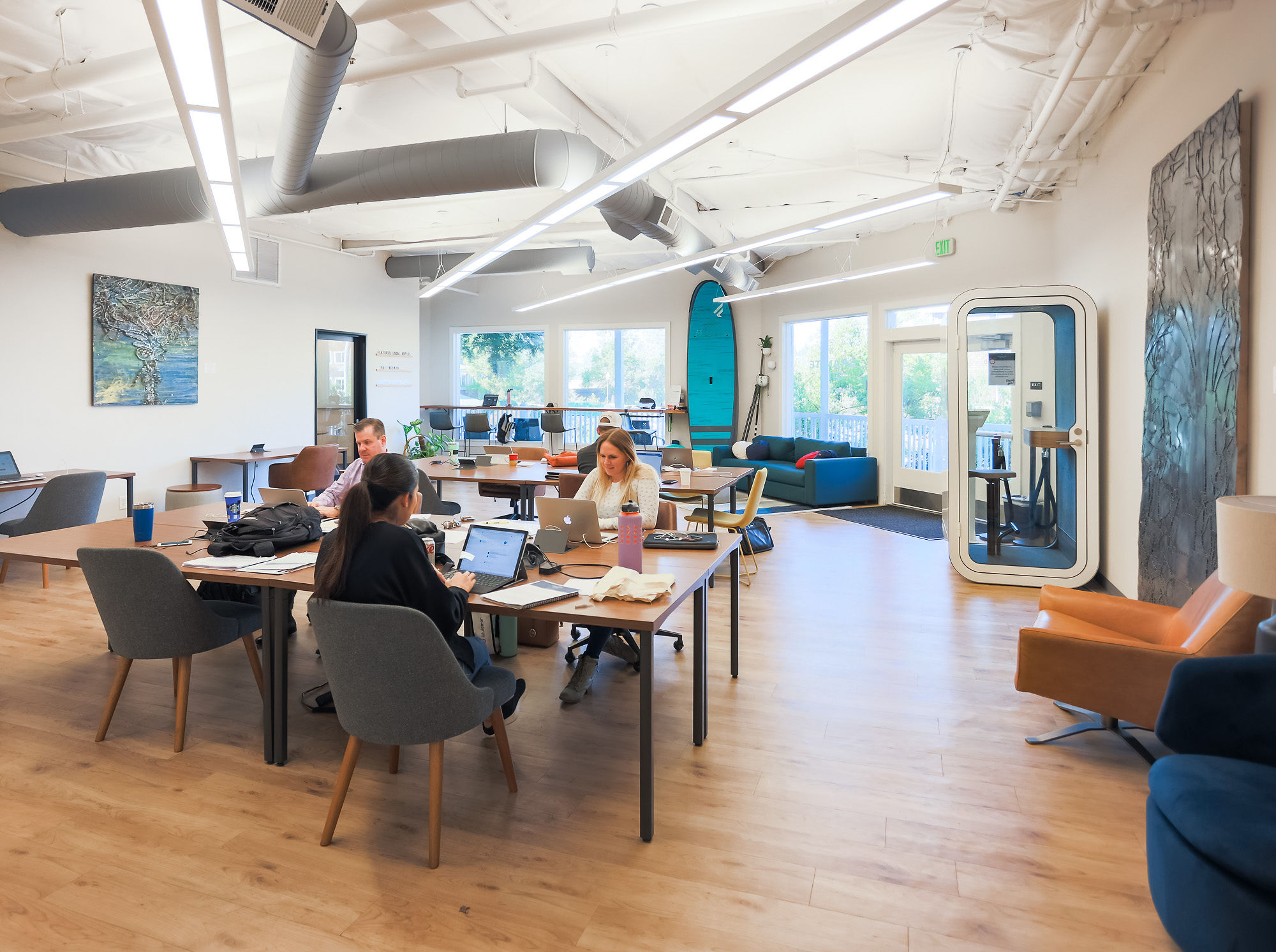
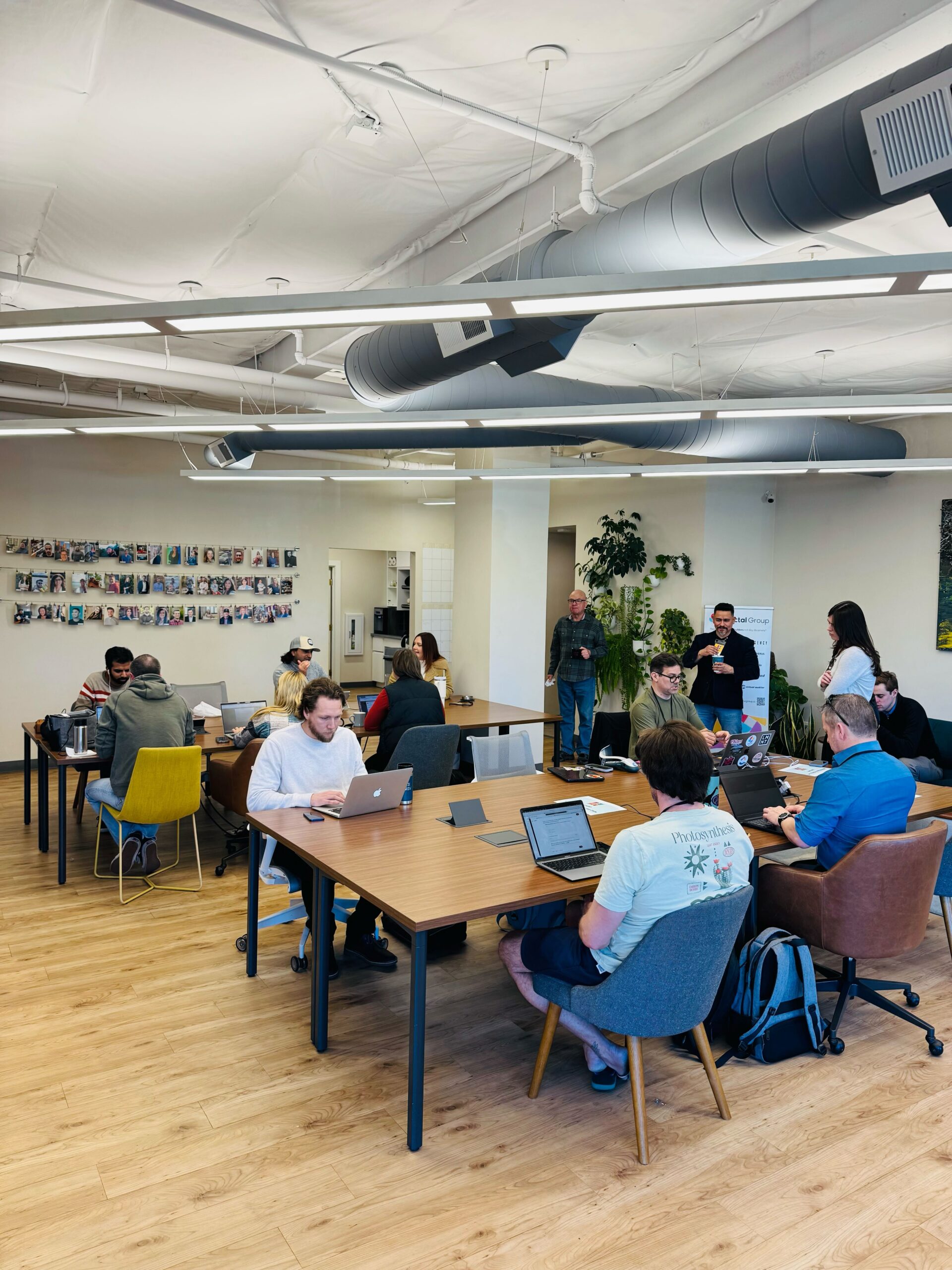
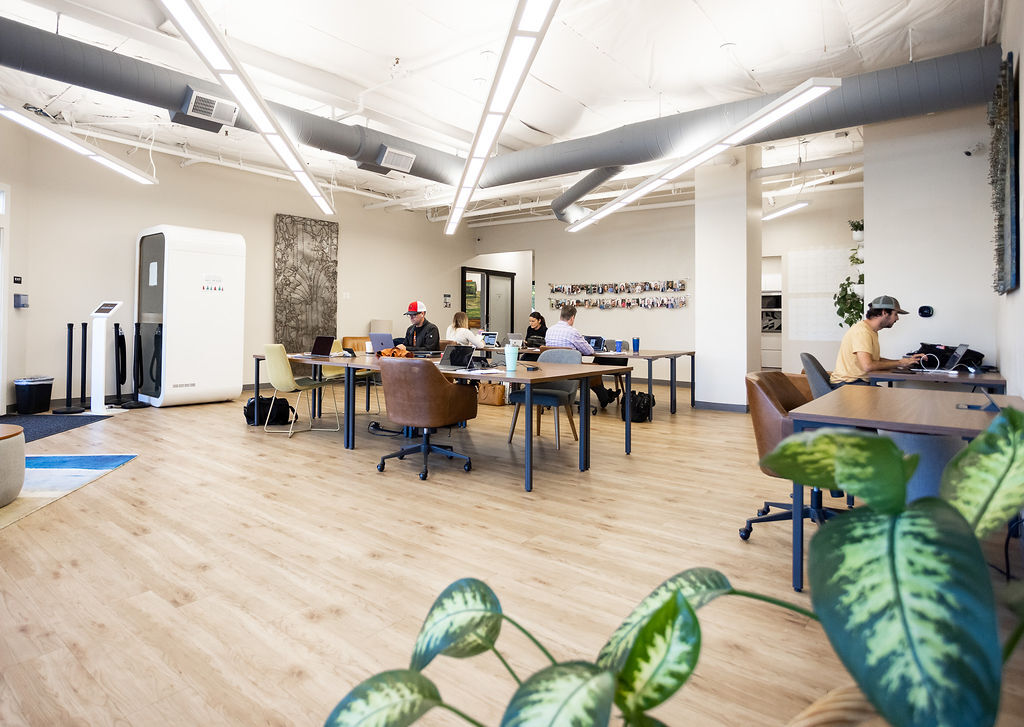
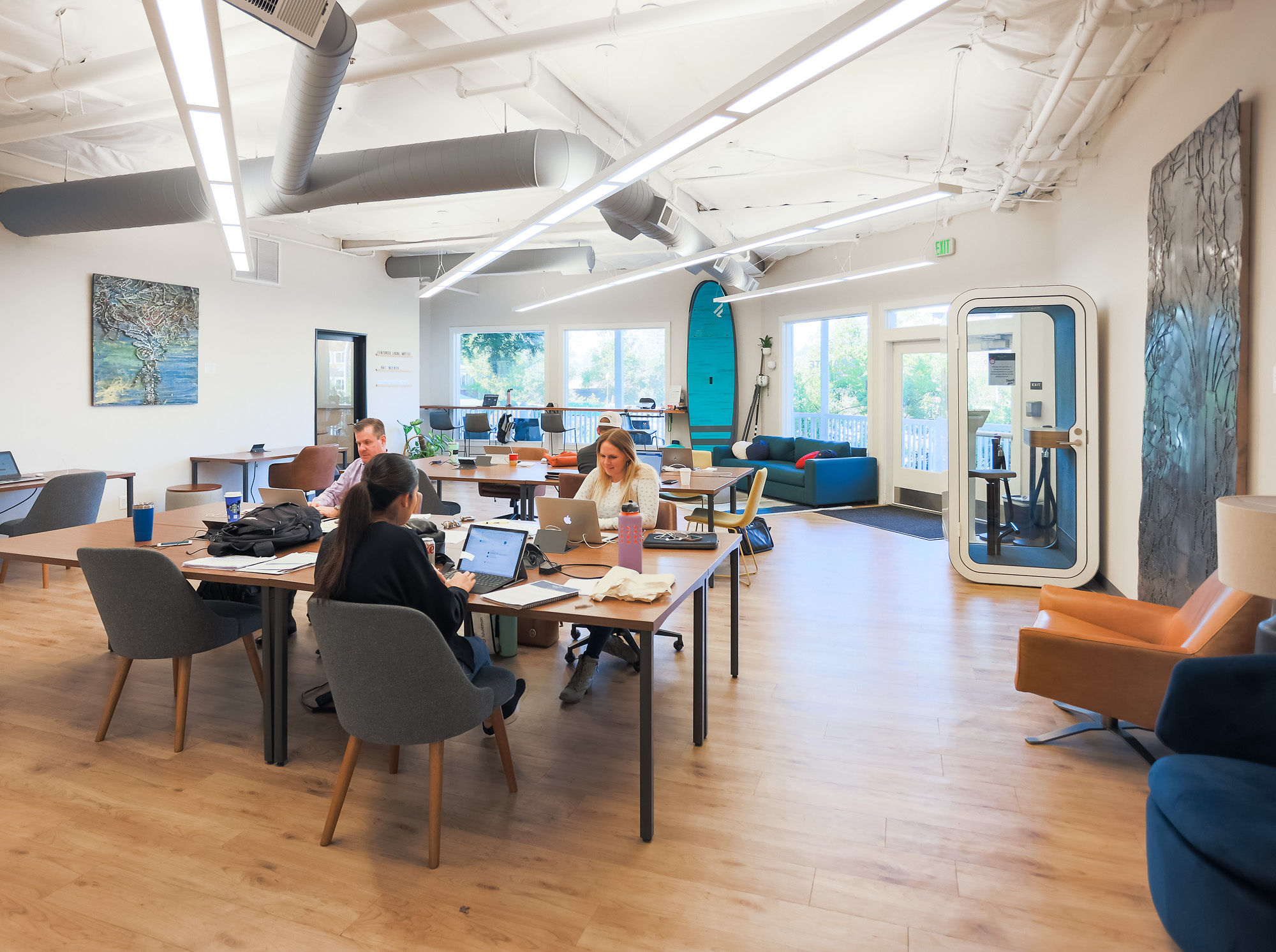
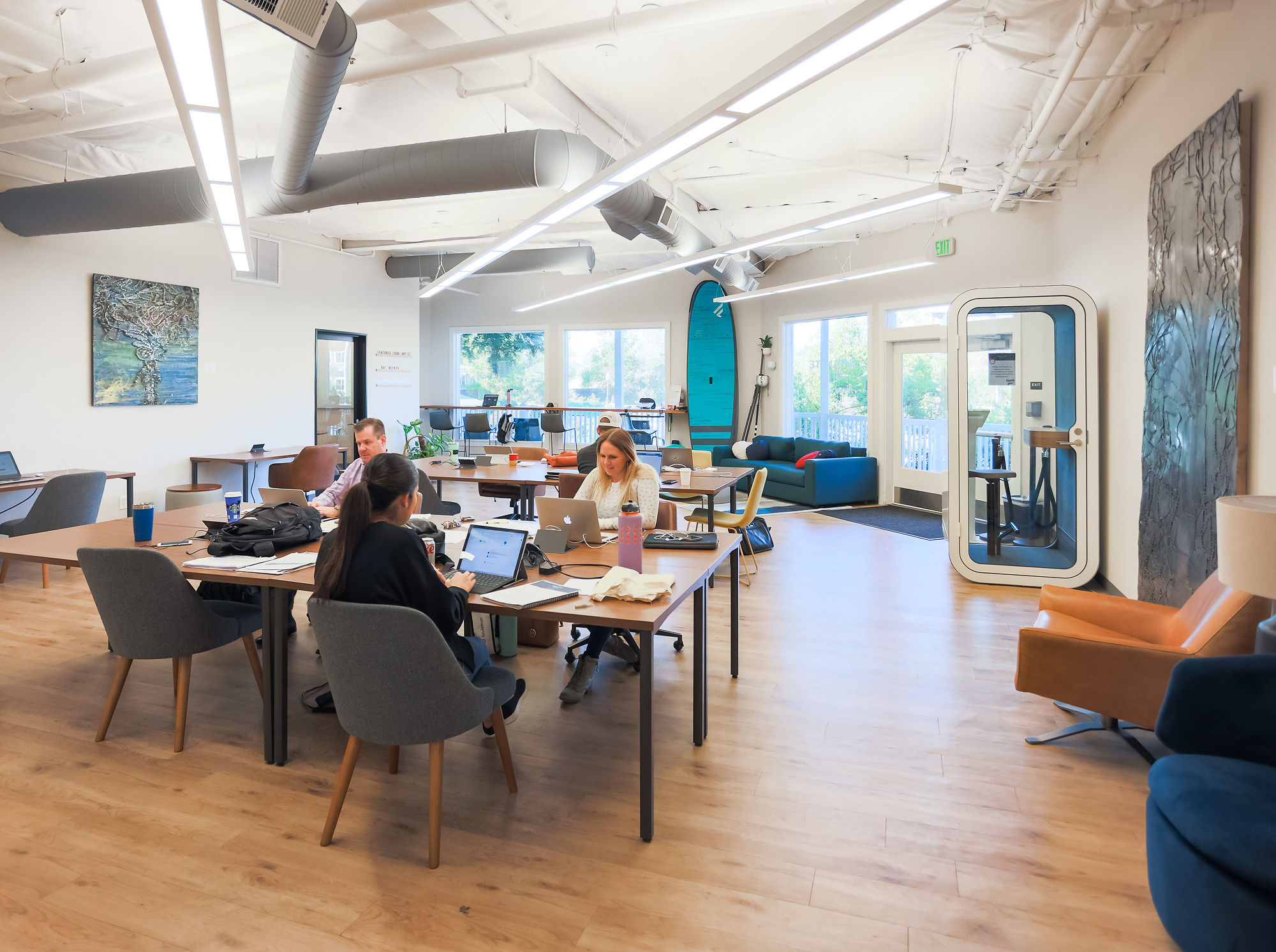
Folsom founders get an operating environment that supports different kinds of work, not just a place to put a laptop. Granite City members can move between The Library, The Commons, The Nook, Midtown, and additional focus and lounge zones because a founder’s day rarely consists of one kind of task.
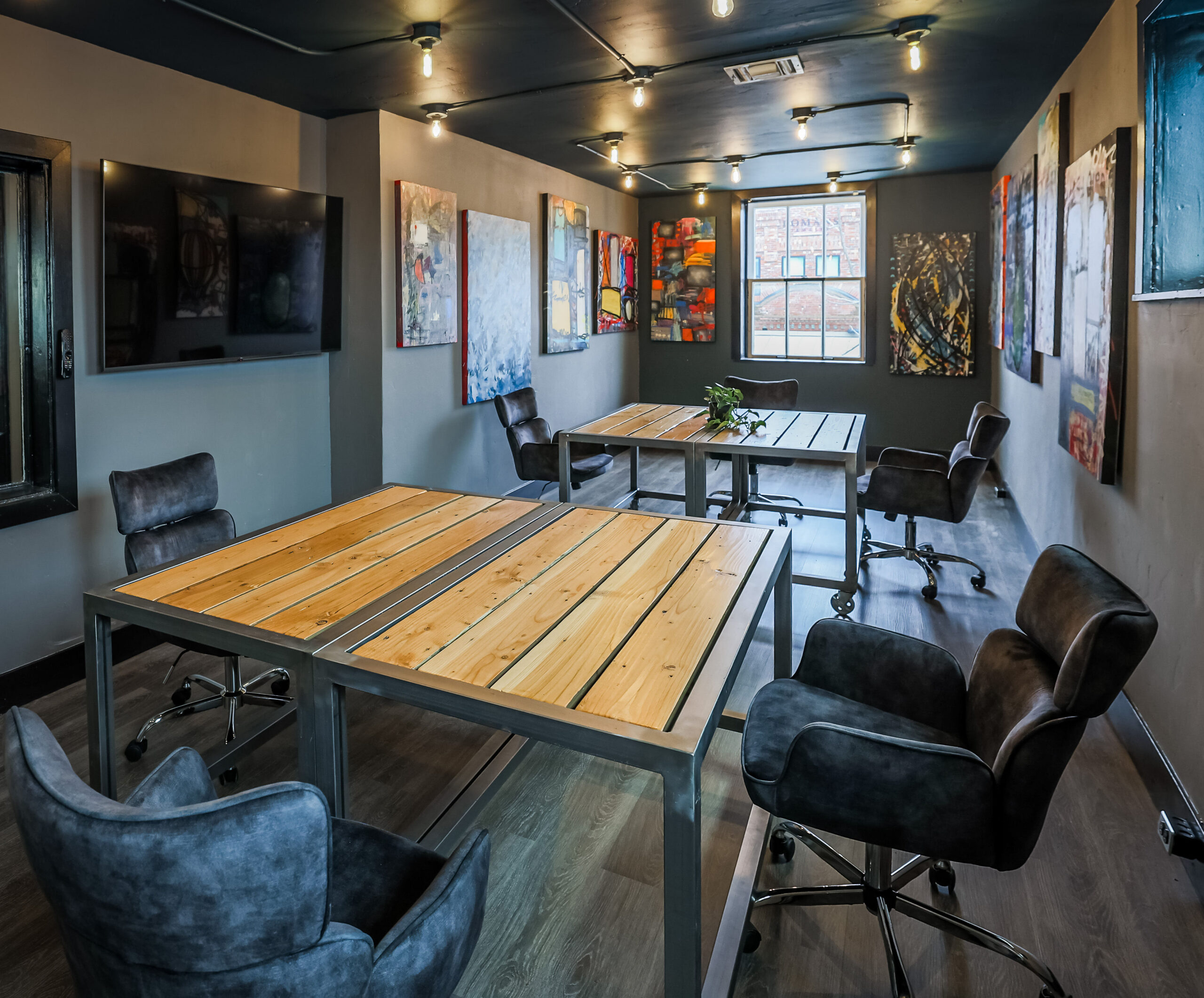
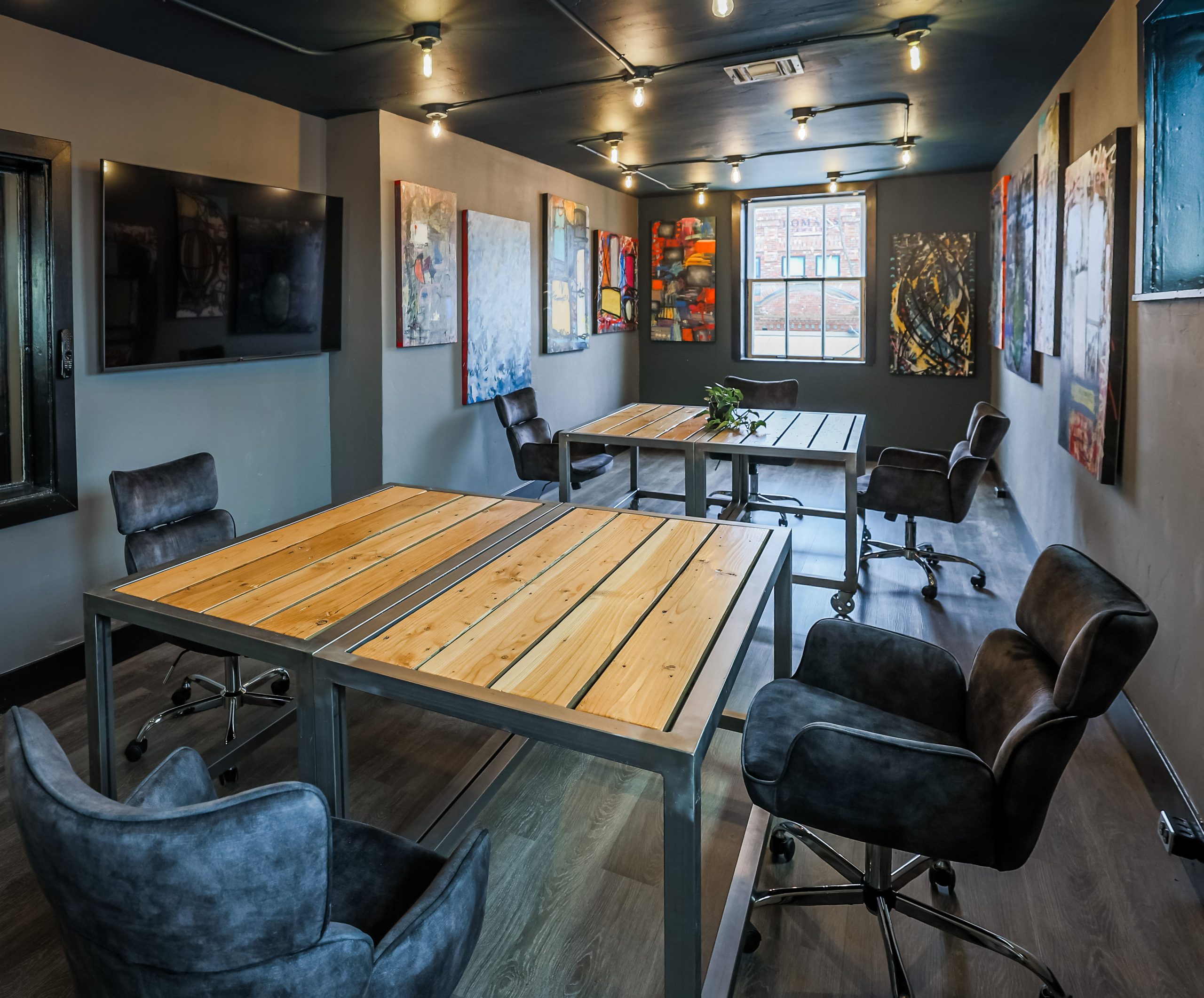
A focused writing block may call for The Library. A working session with a small team may fit The Commons. Midtown supports calls and connection, while private phone booths give members a place to handle conversations without disrupting people working nearby.
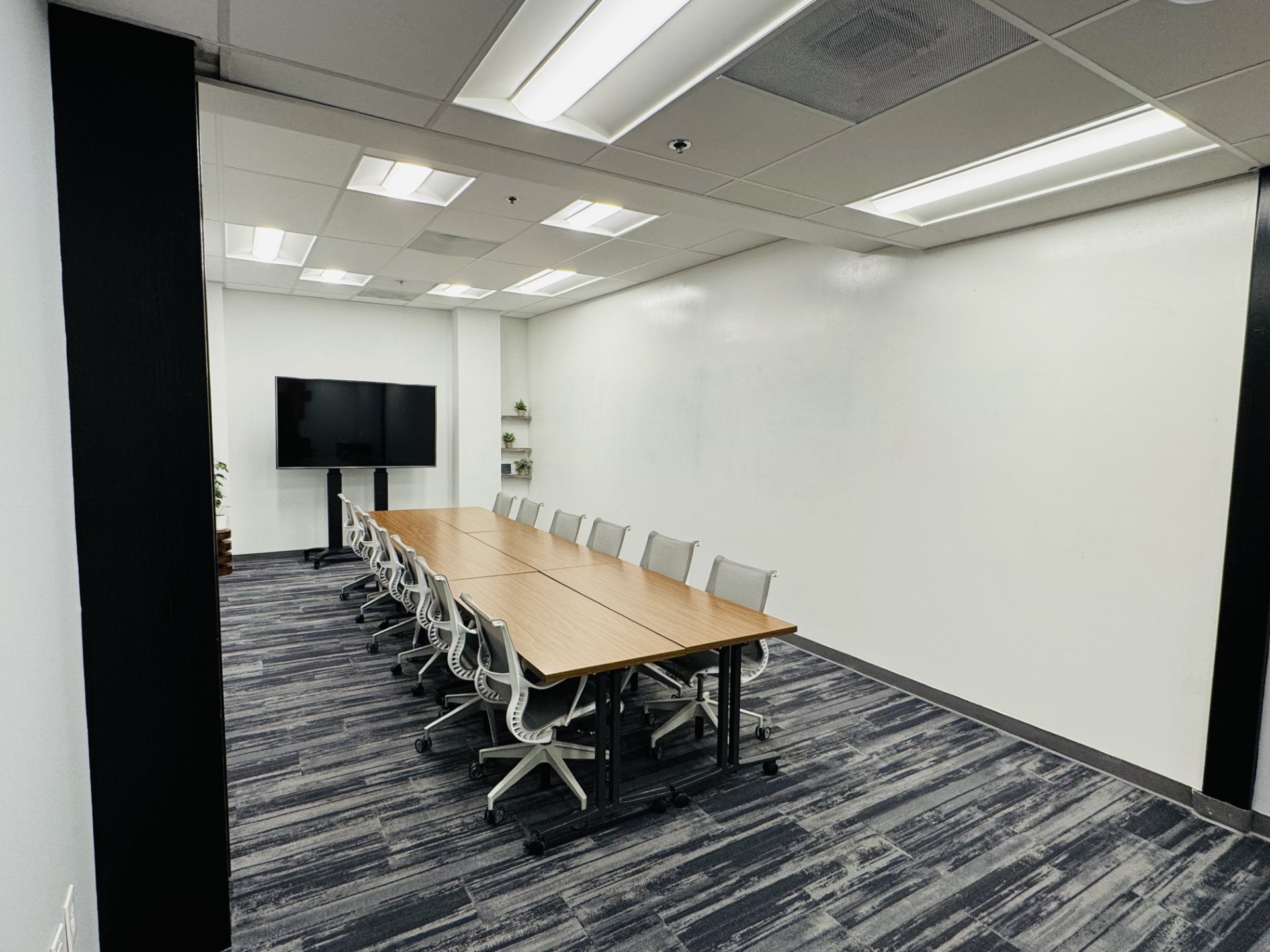
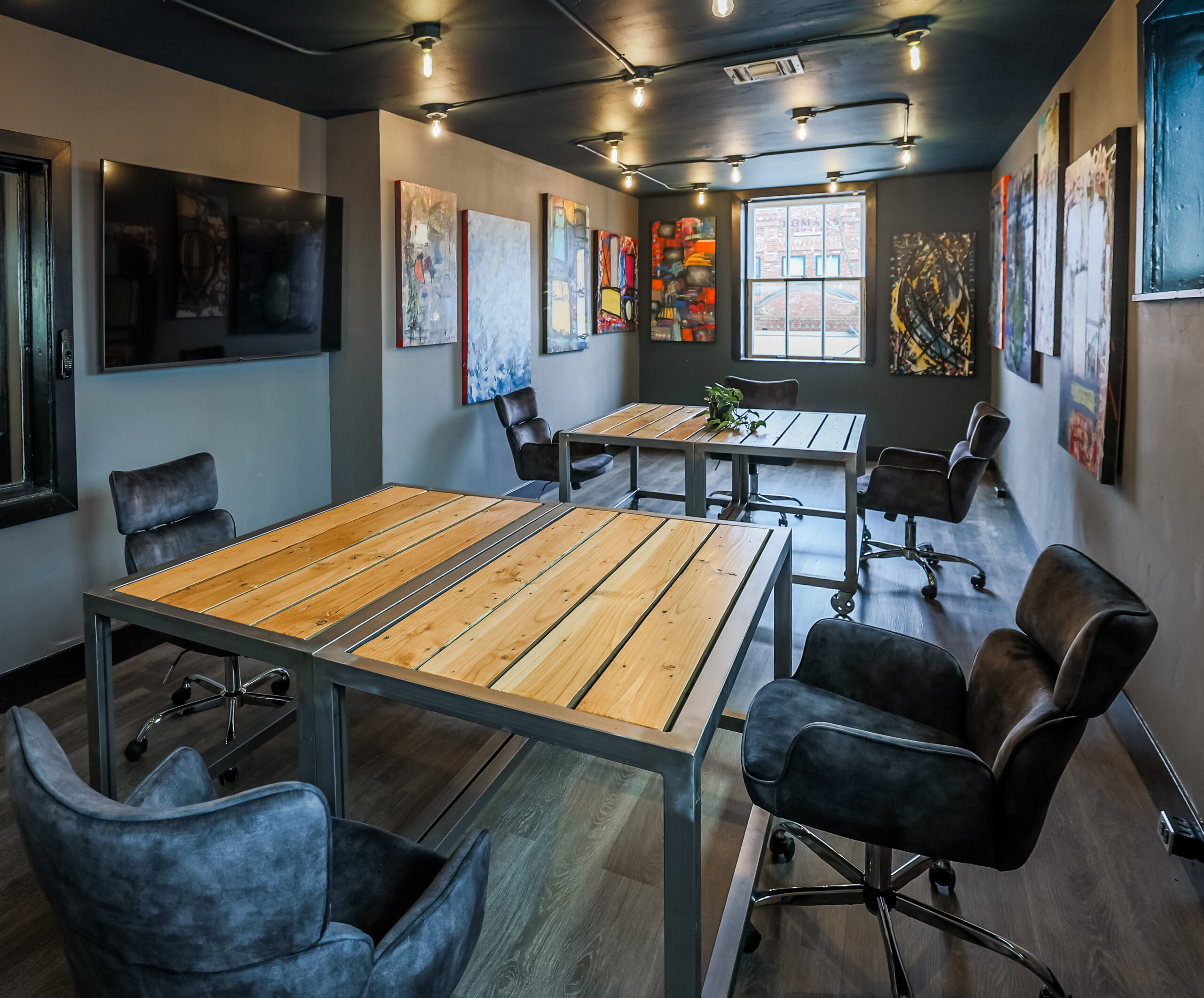
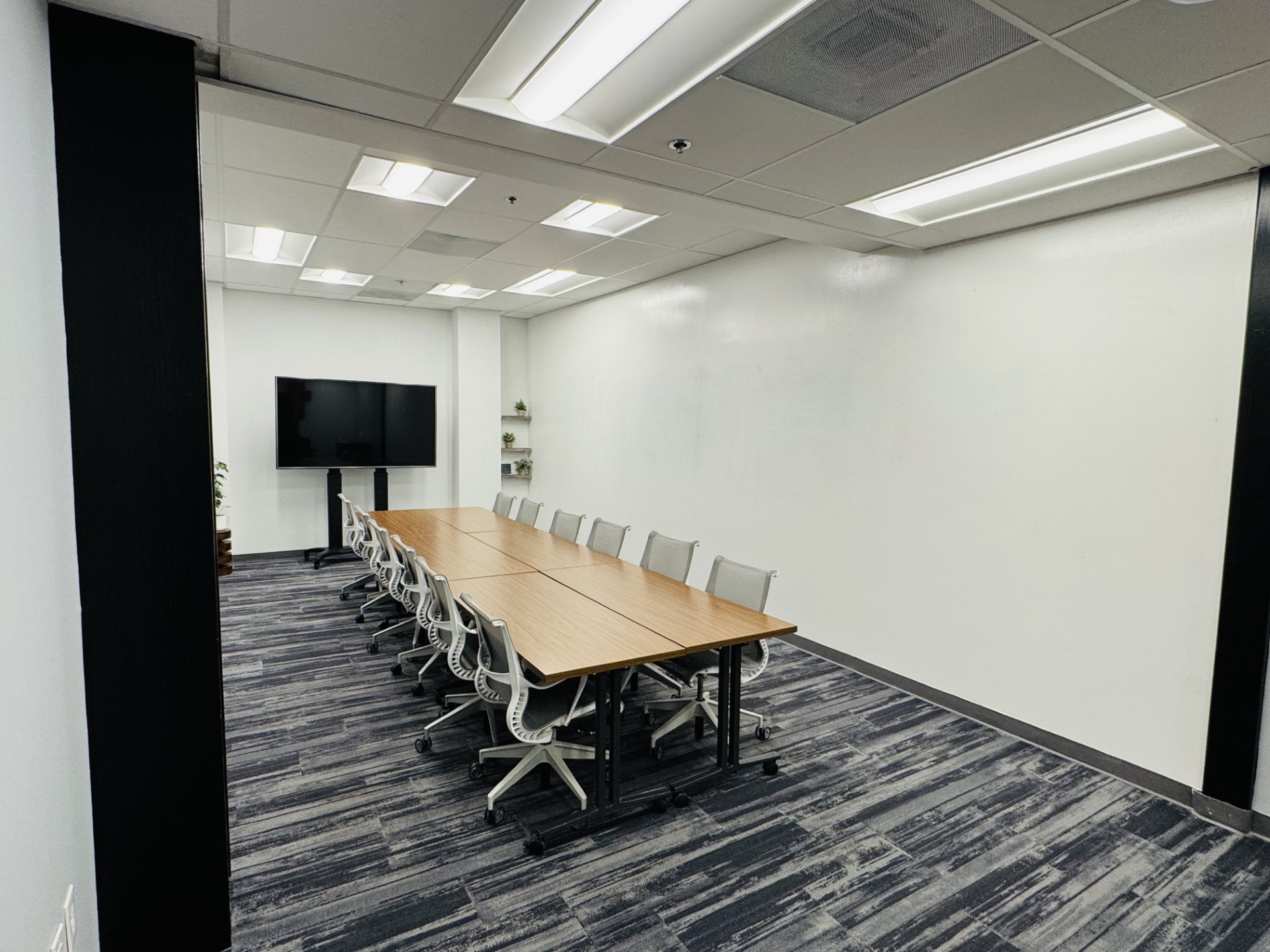
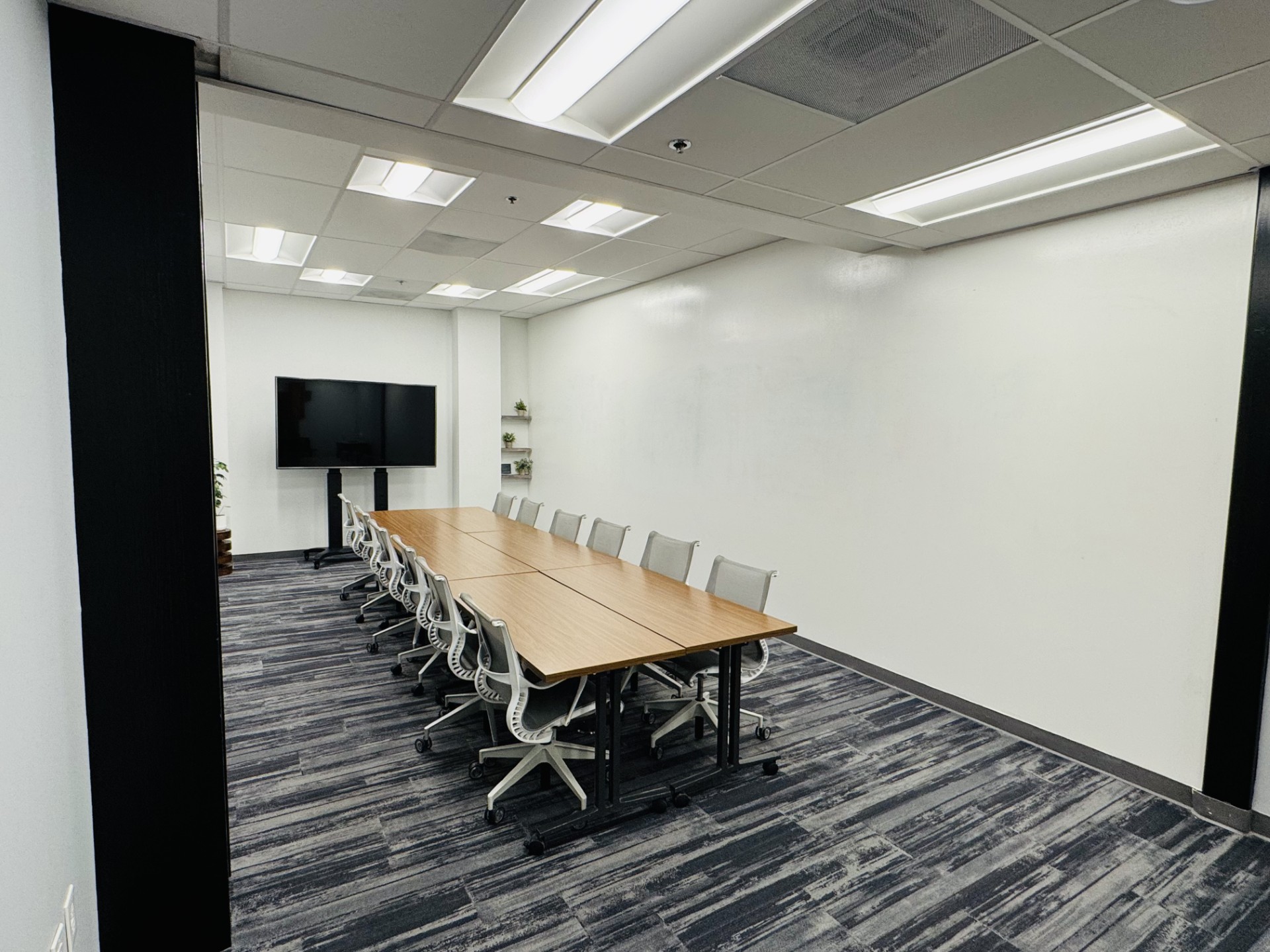
The practical details matter just as much. Granite City provides fast, private, network-isolated enterprise Wi-Fi, printing, scanning, copying, full kitchen access, locally roasted coffee, and locally blended chai. Meeting rooms are bookable by the hour, and eligible dedicated desk and private office members can use the Folsom address as a business address.
| What the work requires | Home-office setup | Granite City Workspaces |
|---|---|---|
| Professional home base | Residential setting | Historic Downtown Folsom address |
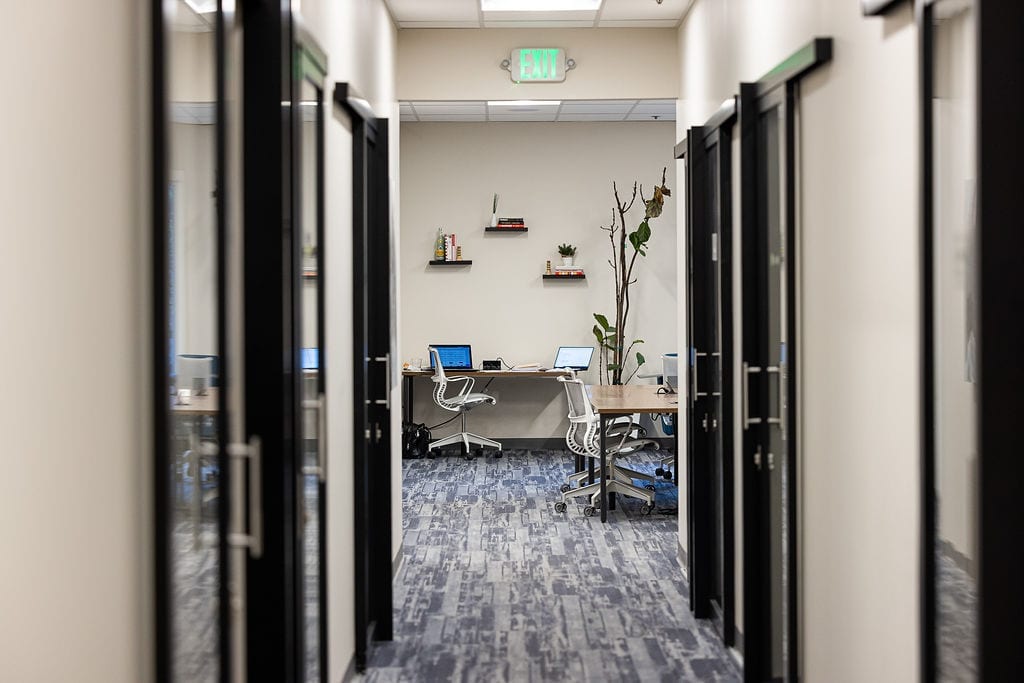
| Privacy for client work | Improvised room or headphones | Private phone booths and meeting rooms |
| Team capacity | Limited by home layout | Coworking, meeting rooms, private offices |
| Connection | Mostly self-created | Familiar members and local business relationships |
That last row is the one founders tend to underestimate. Over time, people learn what the member next to them does, who they serve, and what kind of problem they are solving. A consultant becomes easier to refer, a small team becomes easier to understand, and a founder has more chances to ask a useful question before spending a week solving the wrong problem.
The benefits of coworking in Folsom are not limited to productivity. The deeper benefit is having a repeatable professional environment that supports focus, privacy, and human contact in the same workday.
For a solo professional, a month-to-month coworking membership can provide structure without forcing a long-term lease. For a growing team, a furnished private office can create more privacy while keeping the broader Granite City community nearby.
California’s small-business landscape makes this kind of infrastructure relevant. The SBA Office of Advocacy’s 2025 California Small Business Profile reports about 4.3 million small businesses in California, representing 99.8% of all California businesses. Most founders need reliable infrastructure that matches the business they are actually operating today.
How does a regular community calendar help members connect?
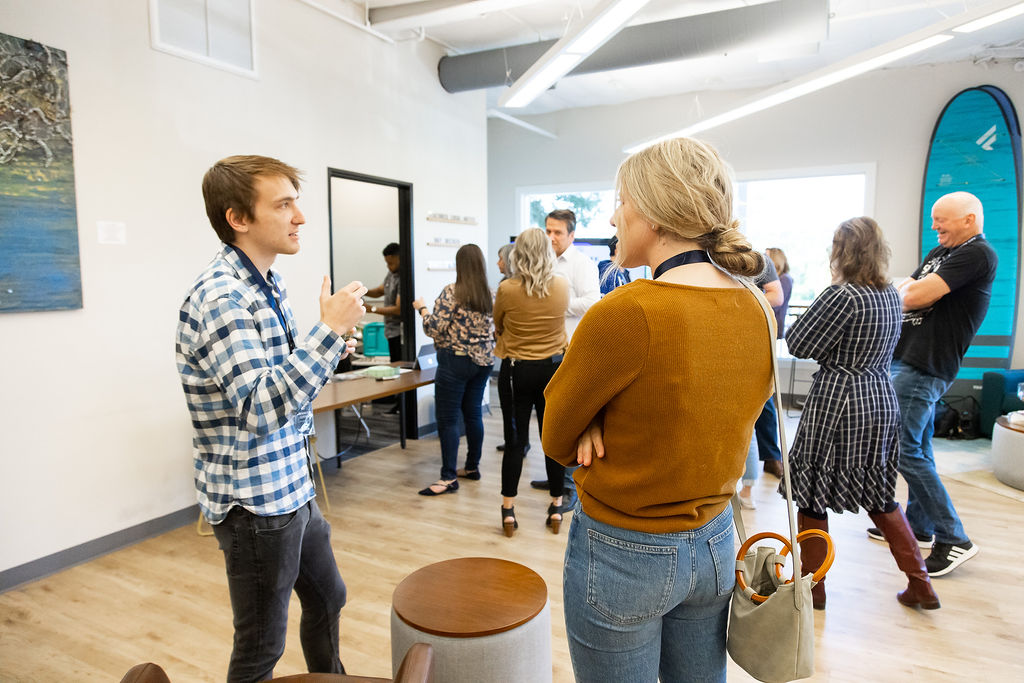
A regular community calendar creates repeated, low-pressure opportunities for members to recognize one another, start conversations, and stay connected beyond a single introduction. It should complement focused work, not turn every workday into a networking exercise.
The value is repetition. Seeing the same people over time makes it easier to ask a follow-up question, share a useful contact, or understand where another founder’s work might intersect with your own. That is how connection becomes practical rather than sentimental.
This is also where Granite City’s operator-owned approach matters. A member does not need to perform a pitch or attend every gathering to belong. Someone may work quietly most of the week and still have a familiar face to greet, a person to ask about a local resource, or a nearby professional who understands the pressure of running a small business.
For small teams, the calendar can widen the company’s local context. Employees who spend most of their time in a private office can still encounter independent professionals, founders, and operators working on different problems. Those interactions can make a small team feel less isolated without creating a forced culture program.
For Folsom entrepreneurs, building at Granite City can answer those questions without requiring a leap into a long-term lease. Compare coworking with other Folsom work setups to see where the tradeoffs land for your business.
If Granite City sounds like the right kind of base, tour Granite City Workspaces in Historic Downtown Folsom. Walk through the work environments, ask direct questions, and decide whether the day-to-day fit is right for the way you build.
What should Folsom entrepreneurs consider before choosing a workspace?
Folsom entrepreneurs should consider location, privacy, work modes, team needs, and everyday connection before choosing a workspace.
How can a founder try Granite City without a long lease?
Coworking memberships are month-to-month, and a founder can schedule a tour first.
Can a small team use Granite City without a private office?
Yes, small teams can use coworking areas and book meeting rooms by the hour.
Can members use the Granite City address as a business address?
Yes, dedicated desk and private office members can use the Folsom address.
What is the main difference between a home office and Granite City?
Granite City adds professional infrastructure, meeting rooms, and daily access to other local professionals.