Category: Granite City

  • How to Choose the Best Meeting Room in Folsom for Your Next Strategic Offsite

    How to Choose the Best Meeting Room in Folsom for Your Next Strategic Offsite

    A meeting room rental is a dedicated, fully equipped professional space reserved by the hour or day for collaborative team sessions, client presentations, and board meetings. In 2026, choosing the right meeting room in Folsom matters because hybrid teams across Sacramento County need in-person time that leads to decisions, not wasted hours.

    If your team is spread across Folsom, El Dorado Hills, Rancho Cordova, or the broader Hwy 50 corridor, the room itself affects the outcome. A bad room creates drag. A good room removes it. That is why more local operators are moving strategy sessions, client meetings, and planning days out of coffee shops and generic hotel conference rooms and into purpose-built venues like Granite City Workspaces.


    What makes a meeting room actually work for strategic offsites?

    A strategic offsite works when the room removes distractions and supports focus. The best meeting rooms make it easy to think clearly, share information, and make decisions without fighting the environment.

    Too many meetings lose momentum because the room is working against the team. The Wi-Fi is shaky. The screen-sharing setup takes 20 minutes. The room is dark, noisy, or cramped. People start checking email because the environment does not hold attention. That is not a people problem. It is usually a room problem.

    A high-performing offsite room should handle the basics without drama:

    • Reliable internet
    • Easy display connectivity
    • Clear audio for hybrid calls
    • Comfortable seating for longer sessions
    • Whiteboards or writing surfaces for planning
    • Enough privacy for sensitive conversations

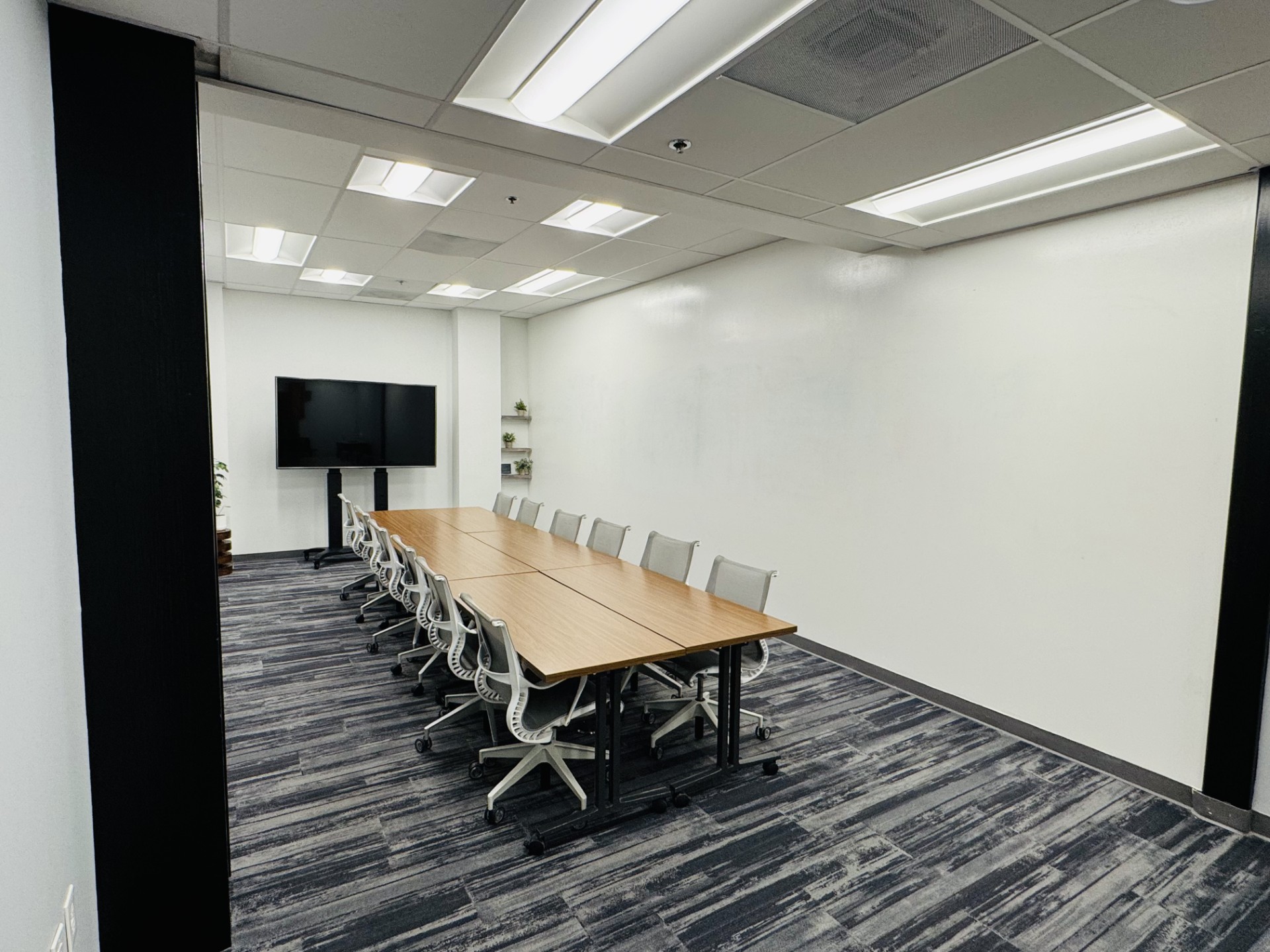
    Granite City’s meeting rooms are built for that kind of work. They are professional without feeling stiff. They are polished without adding friction. Operators can walk in, get laptops open, and get started.

    That matters because offsites are expensive even when the room itself is not. If you have six, eight, or 12 people in one room for half a day, every delay multiplies. The right room protects the value of the time you already committed to spend. If you are exploring broader workspace options for your team, our post on traditional lease vs. private office in Folsom offers a useful framework for when flexibility beats fixed overhead.


    How do coworking meeting rooms compare to hotel conference rooms or coffee shops?

    Coworking meeting rooms usually outperform hotel conference rooms and coffee shops because they remove more friction for local business teams. You get privacy, reliable infrastructure, and business-ready space without the noise of a café or the overhead of a hotel.

    Coffee shops seem easy until you try to run a real meeting in one. The background noise rises and falls all day. Seating is inconsistent. Outlets are limited. Confidential conversations stop being confidential the second another customer sits nearby. Even when the coffee is good, the environment is not built for alignment work, budget discussions, hiring conversations, or strategy sessions.

    Hotel conference rooms solve the privacy problem, but they often introduce a different kind of drag. The booking process can be slower. The room may cost more than the meeting needs. Parking can feel inconvenient or expensive. Catering minimums and service fees can push up the bill. The atmosphere can also feel generic, which is not ideal when you are trying to create a focused working session rather than host a formal event.

    That is where coworking meeting rooms win. They tend to be scaled correctly for the kind of meetings most local companies actually run. You get the essentials that matter and less of the bureaucracy that does not.

    The burden-removal difference is practical:

    • Coffee shops create distractions you have to manage in real time.
    • Hotels add layers like parking friction, hidden costs, and more process than most teams need.
    • Coworking venues remove both problems by giving you a professional room that is easier to access and easier to use.

    According to SHRM, employers continue to invest in workplace connection and intentional collaboration because engagement and productivity improve when teams have the right conditions for effective in-person interaction (SHRM Workplace Research).

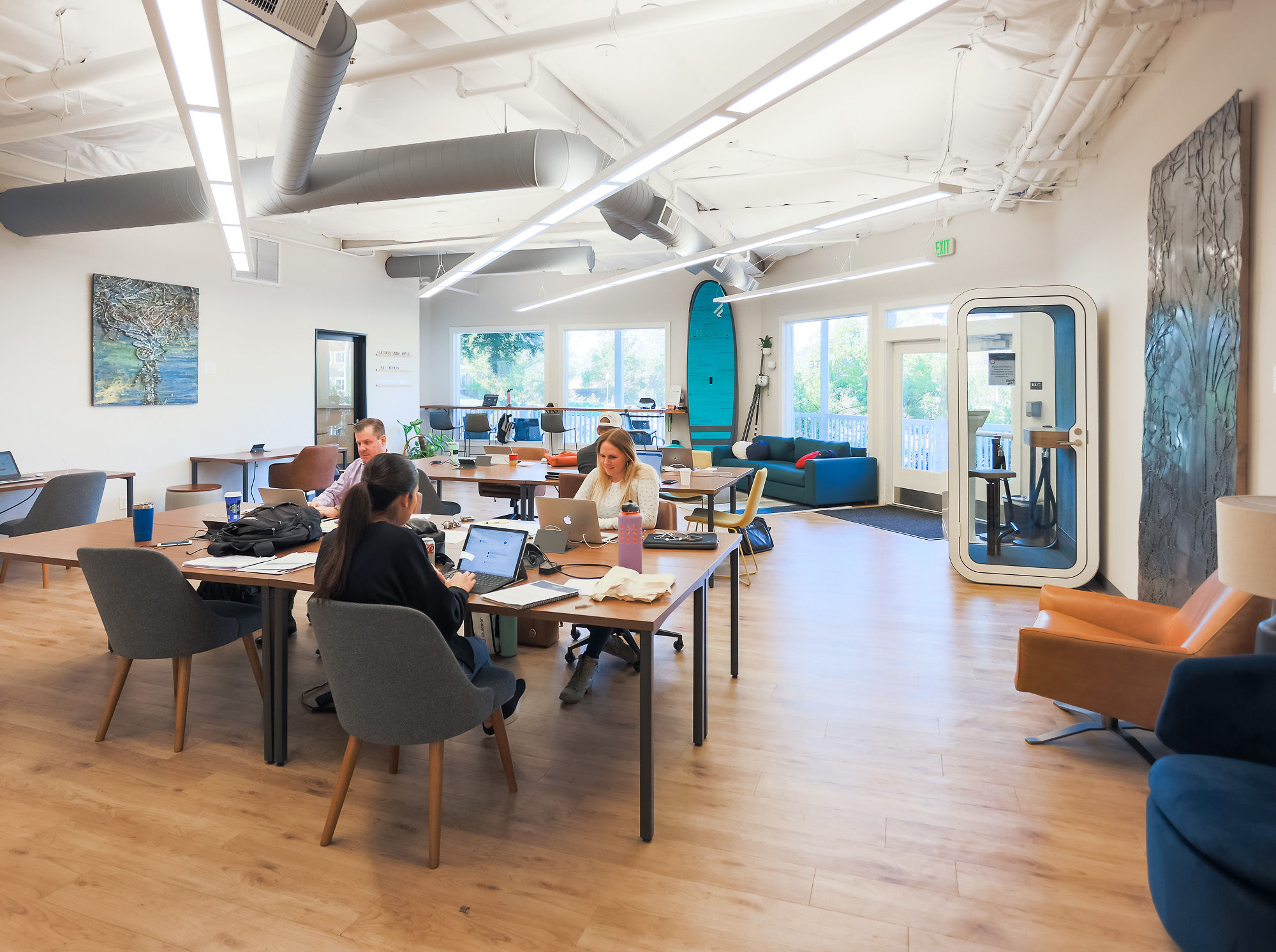
    Bright private office and breakout area at Granite City Workspaces in Historic Folsom, illustrating the kind of quiet, professional environment local teams use for executive planning and focused collaboration

    For local operators, there is also a geographic advantage. Instead of pushing everyone into downtown Sacramento traffic or sending a team farther west for a meeting that could happen closer to home, a Folsom location reduces commute drag. That means people arrive with more attention left for the work itself.

    If your team is thinking beyond one-off meetings and looking at flexible local infrastructure, our article on satellite offices along the Hwy 50 corridor explains why more companies are choosing distributed local work hubs.


    Why are Folsom and the Hwy 50 corridor strong choices for offsite meetings?

    Folsom works well for offsites because it is central, accessible, and easier to navigate than larger downtown markets. Teams can meet in a professional setting without turning a half-day strategy session into a full travel day.

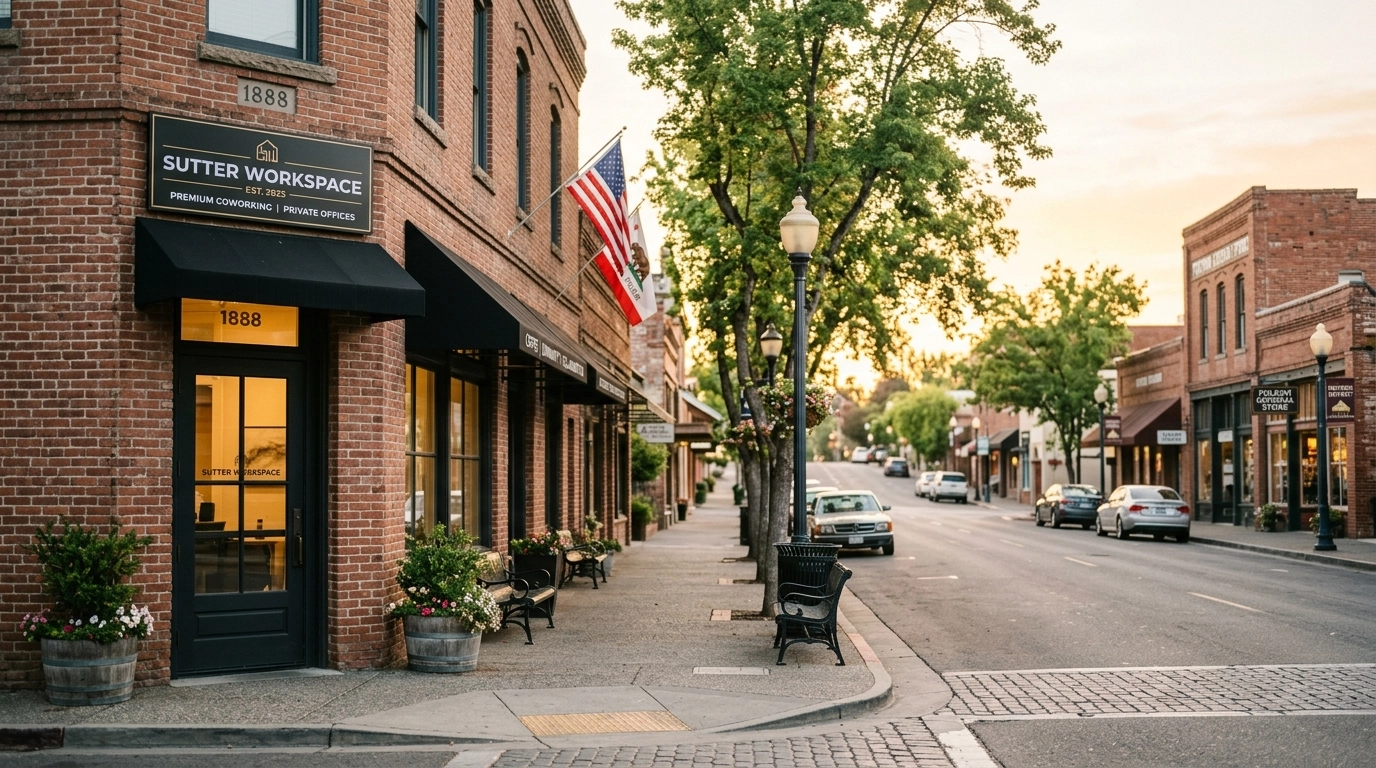
    Historic Downtown Folsom sits in a practical middle zone for teams coming from El Dorado Hills, Rancho Cordova, Orangevale, Fair Oaks, and nearby Sacramento neighborhoods. That matters. When the drive is easier, attendance is easier. When parking is simpler, arrival is calmer. When the district is walkable, breaks feel useful instead of disruptive.

    The Hwy 50 corridor is also becoming more relevant for startups, consultants, and established teams that want proximity to Sacramento without downtown overhead. As we covered in why the Hwy 50 AI Corridor is the best place to grow your startup, the region continues to attract operators who want practical infrastructure and easier access to clients, talent, and partners.

    There is also a tone benefit. Offsites in Historic Folsom feel grounded. You are not tucked into a sterile ballroom. You are meeting in a real business district with character, walkability, and nearby dining. If the day calls for extending the conversation after the agenda wraps, our guide to Founder’s Dinner spots for closing deals in Historic Folsom is a good next read.


    What logistics should you consider when hosting an offsite in Historic Folsom?

    The big logistics are parking, coffee, walkability, and how fast your team can move in and out of breaks. Historic Folsom works because those details are easier to manage than they are in larger downtown or hotel settings.

    Parking is the first stress test of any offsite. If people circle blocks, pay unexpected fees, or arrive irritated, the session starts behind schedule before anyone opens a laptop. A Folsom location helps because parking is generally more straightforward than in larger urban cores. Local teams can get in, park, and get upstairs without the long check-in flow or sprawling campus feel that often comes with hotels.

    Walkability is the next advantage. Historic Folsom gives your team options without forcing everyone back into their cars. If you need a short reset between sessions, a lunch break that does not eat 90 minutes, or a one-on-one walking conversation after a strategy block, the area supports that naturally. Sutter Street is nearby, so your team can step out for food or continue a conversation without turning the day into a logistics exercise.

    Coffee matters more than most planners admit. One weak part of a meeting day is the scramble between sessions when half the group disappears to hunt down caffeine. Granite City has a practical advantage here: Sociology Coffee is in the same building. That keeps breaks short and useful. People can grab coffee, reset, and get back to work without losing the room’s momentum.

    Here are a few logistics questions worth answering before you book:

    • How many people are driving separately?
    • Will anyone be joining remotely?
    • Do you want the team to walk to lunch, stay nearby, or keep breaks short?
    • Do you need a room that supports long planning sessions, presentations, or both?
    • Would same-building coffee improve the flow of the day?

    Good logistics are mostly invisible. That is the point. Your team should spend energy on decisions, not on parking, caffeine runs, or figuring out where to regroup after lunch.


    How do you prepare your team for a productive offsite session?

    A productive offsite starts before the meeting begins. Clear agendas, pre-reading, and a room built for focus help teams use in-person time for decisions instead of information catch-up.

    The first step is defining the outcome. What must be true by the end of the session? Maybe the team needs alignment on quarterly priorities. Maybe leadership needs to resolve a blocked initiative. Maybe a client-facing group needs to workshop messaging, staffing, or timelines. If the outcome is vague, the meeting usually drifts.

    Once the outcome is clear, set the agenda around decision points. Time-box each section. Assign an owner. Make it obvious what needs discussion and what simply needs review. That is where pre-reading earns its keep. If everyone arrives already familiar with the financials, project updates, or planning memo, the room can be used for discussion rather than silent reading.

    Environment matters here too. A room with privacy, strong connectivity, and enough visual tools to work through issues in real time gives your team a better shot at leaving with clarity. That is why a real meeting room in Folsom is different from borrowing a corner of a café or improvising around a hotel conference table.

    A short preparation checklist helps:

    • Define one primary outcome
    • Send pre-reading 24–48 hours early
    • Build an agenda with owners and time blocks
    • Decide how hybrid attendees will participate
    • End with clear next steps, owners, and deadlines

    When the room and the preparation work together, the offsite becomes useful fast. If you are ready to line up your next session, explore Granite City’s meeting room rentals for availability, room fit, and booking details. If you have a custom setup or recurring need, you can also contact Granite City directly.


    What else should you know before booking a meeting room in Folsom?

    What types of meeting rooms are available in Folsom?
    Granite City Workspaces offers professional hourly meeting rooms in Historic Downtown Folsom, including rooms suited for team planning, client meetings, and hybrid strategy sessions.

    How do coworking meeting rooms compare to hotel conference rooms?
    Coworking meeting rooms are usually easier to book, more flexible, and less burdened by hidden fees, parking friction, or catering minimums than hotel conference rooms.

    Why is Historic Folsom a good location for an offsite?
    Historic Folsom is centrally located for local teams, offers easier parking, walkability to Sutter Street, and convenient coffee and lunch options that keep the day moving.

    How should I prepare my team for a productive offsite?
    Set a clear objective, send pre-reading before the meeting, build a time-boxed agenda, and choose a room that supports focus, privacy, and collaboration.

    Can Granite City meeting rooms support hybrid sessions?
    Yes, Granite City meeting rooms are designed to support professional hybrid meetings with reliable internet, presentation tools, and a business-ready environment.
  • Why the Hwy 50 AI Corridor is the Best Place to Grow Your Startup in 2026

    Why the Hwy 50 AI Corridor is the Best Place to Grow Your Startup in 2026

    The Highway 50 AI Corridor is the concentrated tech and innovation belt stretching from Rancho Cordova through Folsom and up to El Dorado Hills. In 2026, it has become the strategic choice for startups because it offers a dense ecosystem of senior engineering talent, lower overhead than the Bay Area, and deep institutional support for artificial intelligence and robotics.

    For years, founders felt the magnetic pull of SOMA or Palo Alto. But the landscape has shifted. Today, the "Powered by the Folsom–Rancho Cordova AI Ecosystem" branding isn't just a marketing slogan: it’s a reality backed by a $5 million regional investment in AI and robotics infrastructure. If you're building a Seed to Series A company, the corridor provides the "gravity" you need to scale without the burnout of the 101.

    Why are startups moving to the Hwy 50 AI corridor?

    Startups are relocating here to access a high concentration of senior technical talent who have traded the Bay Area commute for a better quality of life in the Sierra foothills. By positioning your team along Highway 50, you’re placing your company in the center of a workforce that includes veterans from Intel, NVIDIA, and Solidigm.

    We’re seeing a massive wave of "home office graduates." These are founders who spent 2024 and 2025 building in their garages in Folsom or El Dorado Hills and have now reached the point where they need a professional HQ to recruit top-tier talent. They aren't looking for a corporate skyscraper; they want a high-utility, tech-forward environment that reflects their culture.

    The shift is also financial. When you look at the math, a traditional lease in San Francisco or even downtown Sacramento often carries a "distraction tax": the hidden costs of long commutes and high turnover. Many founders are realizing that Why Working From Home Is Costing You More Than You Think (And What Folsom Professionals Are Doing Instead) isn't just about utility bills; it's about the loss of serendipitous collaboration that happens in a dedicated workspace.

    How does the regional AI ecosystem support startup scaling?

    The regional ecosystem supports scaling through a $5 million orchestration platform that connects startups with global partners like NVIDIA and UC Davis for prototyping and research. This infrastructure allows early-stage companies to access "big tech" resources while maintaining the agility of a lean startup.

    A startup member working in a private office at Granite City Workspaces in Folsom

    Being "Powered by the Folsom–Rancho Cordova AI Ecosystem" means more than just having a fast internet connection. It means being part of a digital twin initiative where robotics and AI startups can test intelligent systems in a real-world municipal environment. This level of partnership is rare and provides a competitive advantage for companies in the Highway 50 corridor.

    Furthermore, the corridor is designed for the modern hybrid team. We frequently host companies that maintain a small San Francisco presence but use Folsom as their primary execution hub. For these teams, the perfect 2-day corporate offsite in Historic Folsom serves as a quarterly "sprint" mechanism to align their distributed engineers with the core leadership team.

    What makes Folsom a better hub than the Bay Area for early-stage teams?

    Folsom offers a superior "founder-to-engineer" ratio with significantly lower burnout rates and a local community that is invested in your long-term success. Unlike the transient nature of many Bay Area tech hubs, the Folsom startup scene is rooted in long-term residents who are building companies to last.

    In Folsom, you aren't just another tenant in a managed office park. You’re part of a community where the person at the next desk might be a series-A founder who just navigated the exact hiring challenge you’re facing. The "Gold Rush" spirit is still here, but today it’s about mining data and building neural networks rather than panning for silt.

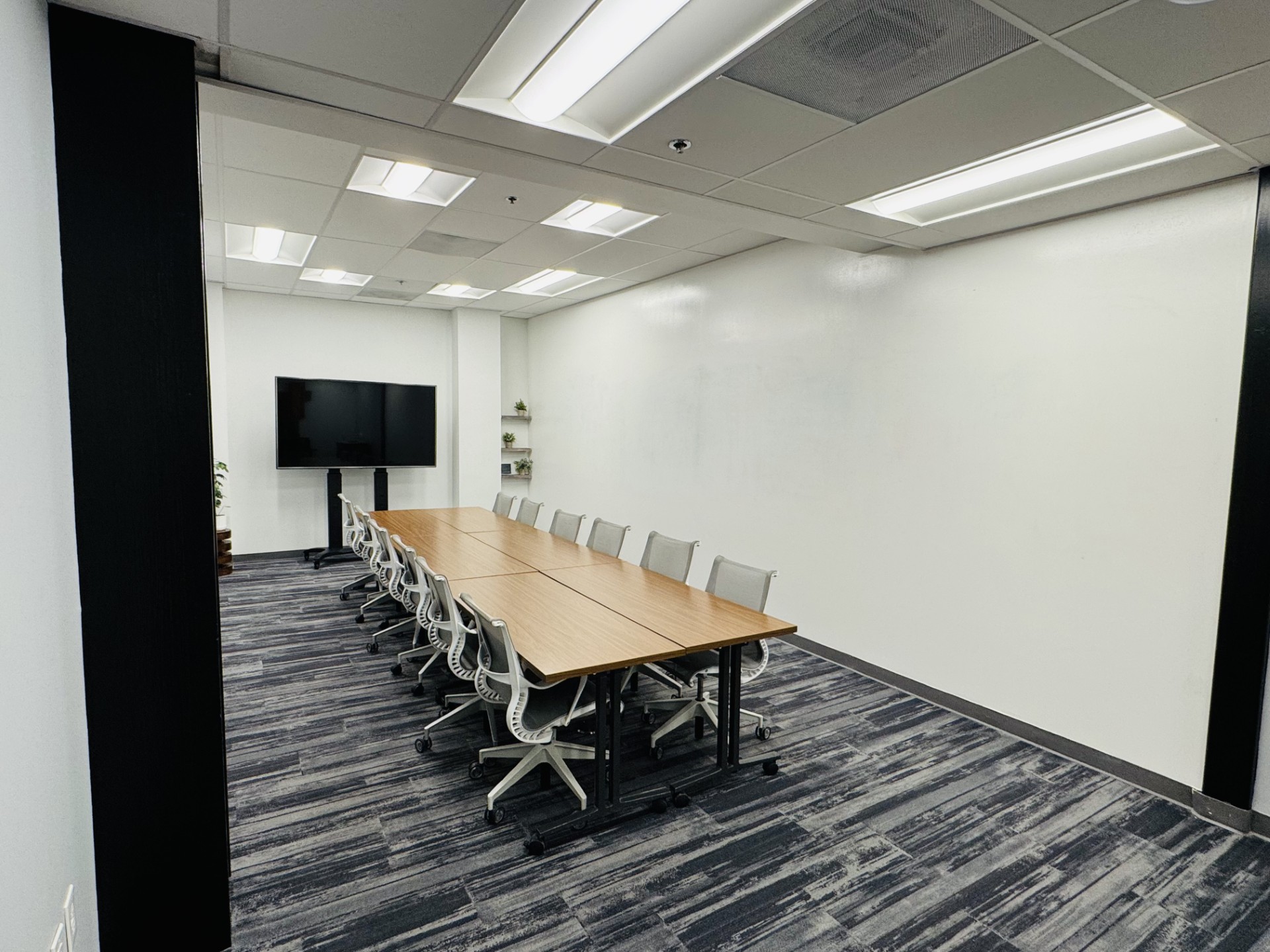
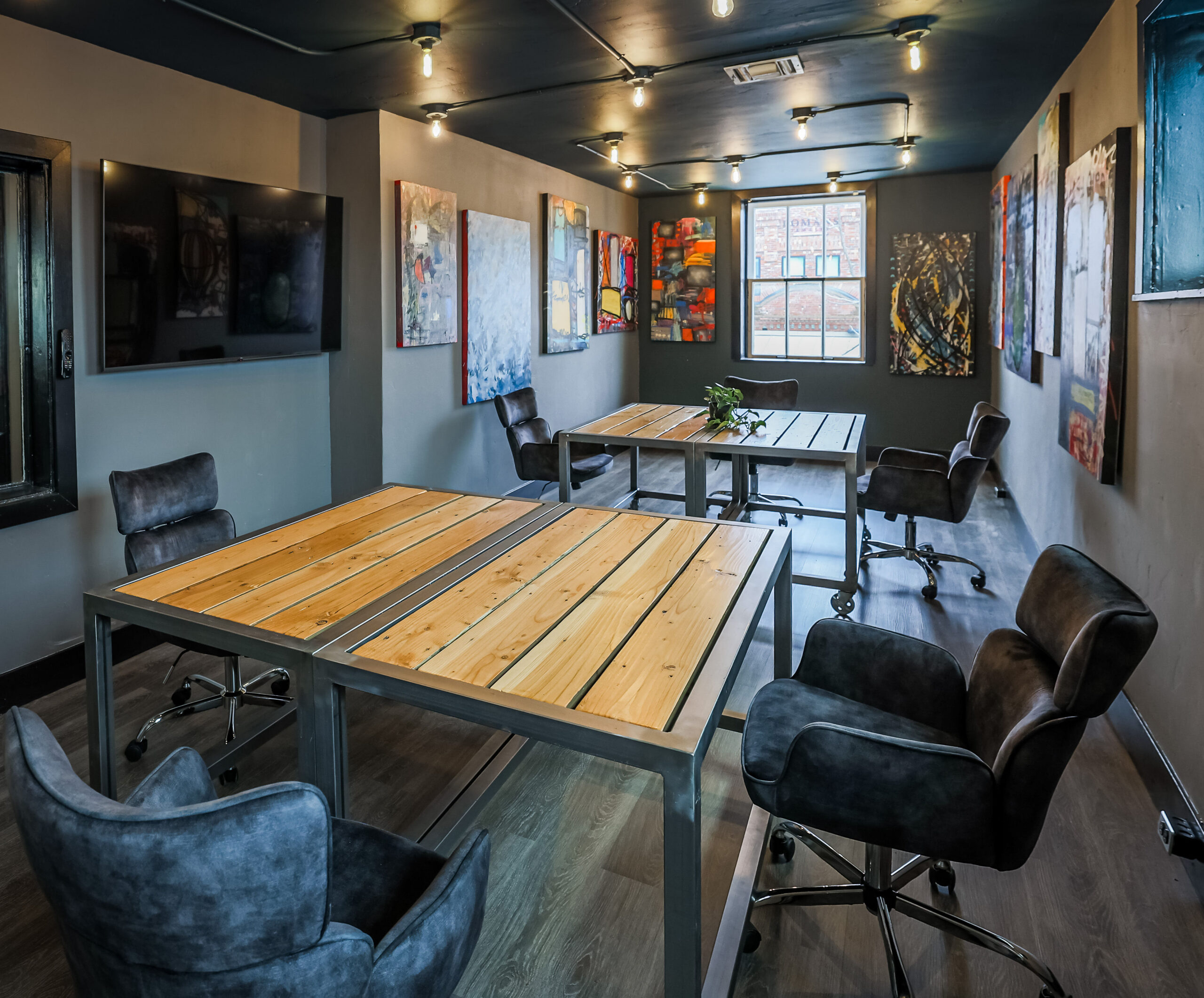
    The Town Hall meeting room at Granite City Workspaces, used for AI team strategy sessions

    The physical environment also plays a role. Granite City Workspaces was designed with the operator-to-operator mindset. We know that a Series A team needs private, secure offices for deep work, but they also need a "Town Hall" for strategy sessions and client meetings. We provide the infrastructure of a global tech firm with the soul of a local Folsom business.

    Where can founders connect with other AI entrepreneurs in Sacramento?

    Founders connect through high-signal local events like frAIdays and invite-only gatherings that prioritize real tactical sharing over generic networking. The Highway 50 corridor has moved away from "mixer" culture toward "builder" culture, where the focus is on shared shipping goals.

    One of the most effective ways to break into the local ecosystem is through The Founder’s Dinner: 3 Upscale Spots for Closing the Deal in Historic Folsom. These events are designed to get the corridor’s most active CEOs in one room to talk about the things that don't make it onto LinkedIn: the real struggles of scaling an AI startup in a rapidly changing market.

    Whether you're looking for a single seat to escape the home office or a team suite for your growing engineering squad, being part of the Granite City community puts you at the center of the Hwy 50 AI Corridor. The future of AI isn't just happening in Silicon Valley; it's being built right here in Historic Downtown Folsom.


    Ready to join the corridor's most tech-forward community?

    The best way to experience the energy of the Highway 50 AI ecosystem is to see it for yourself.


    What is the Hwy 50 AI Corridor?
    The Hwy 50 AI Corridor is a tech-focused region stretching from Rancho Cordova to El Dorado Hills, characterized by a high density of AI and robotics startups and engineers.

    Why is Folsom central to this ecosystem?
    Folsom serves as the geographic and cultural hub of the corridor, offering a mix of historic charm and modern infrastructure that attracts senior technical talent and founders.

    What does “Powered by the Folsom–Rancho Cordova AI Ecosystem” mean?
    It refers to a regional initiative and branding that highlights the $5M investment, partnership with companies like NVIDIA, and the deep integration of AI talent across the US-50 corridor.

    How can startups benefit from moving to the corridor?
    Startups benefit from lower overhead, access to a specialized talent pool, and a collaborative community of founders who are “graduating” from home offices into professional workspaces.

  • Why Working From Home Is Costing You More Than You Think (And What Folsom Professionals Are Doing Instead)

    Why Working From Home Is Costing You More Than You Think (And What Folsom Professionals Are Doing Instead)

    The dream was simple: no more Highway 50 traffic, no more expensive office lunches, and the freedom to work in a hoodie. For a lot of Folsom and El Dorado Hills professionals, the home office seemed like the ultimate efficiency hack.

    But two or three years into this "new normal," the math isn't quite adding up.

    If you’re a founder, a consultant, or a leader of a distributed team, you’ve probably noticed the friction. It’s not just the distraction of the laundry or the dog barking during a board call. It’s a literal, financial, and professional cost that quietly erodes your output.

    In the Highway 50 AI corridor, where focus is the primary currency, working from home might actually be the most expensive way to work.

    The Utility Bill Trap

    Let's talk about the direct costs first. When you work from home in the Sacramento Valley, you aren't just paying for your time; you're paying for the infrastructure of a mini-corporation.

    In 2026, California utility rates aren't getting any lower. Full-time remote workers typically see a 15–25% spike in home electricity usage. When you’re running the AC all day in July to keep your home office at 72 degrees, that "free" workspace is suddenly costing you an extra $50 to $150 a month.

    Then there’s the internet. If you’re handling heavy data, AI model training, or back-to-back Zoom calls, that basic residential plan doesn't cut it. Upgrading to a business-tier or high-performance fiber connection adds another $400 to $500 a year to the tally.

    Compare that to coworking in Folsom, CA. At Granite City Workspaces, those costs are bundled. Our unlimited weekday membership is $215 a month. When you subtract the $100 you’re saving on home utilities and the $40 you’re saving on internet upgrades, the "real" cost of a professional membership drops significantly.

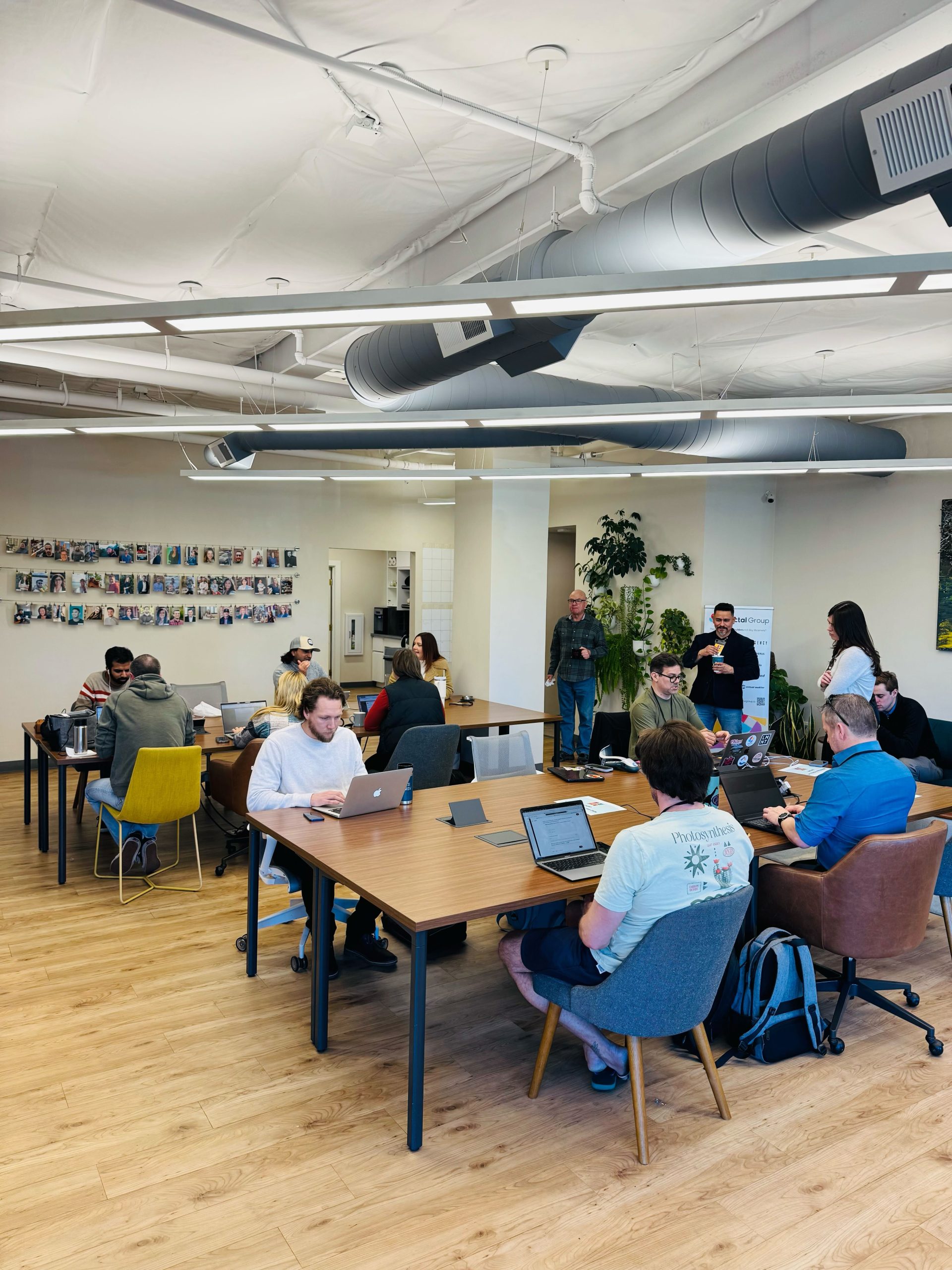
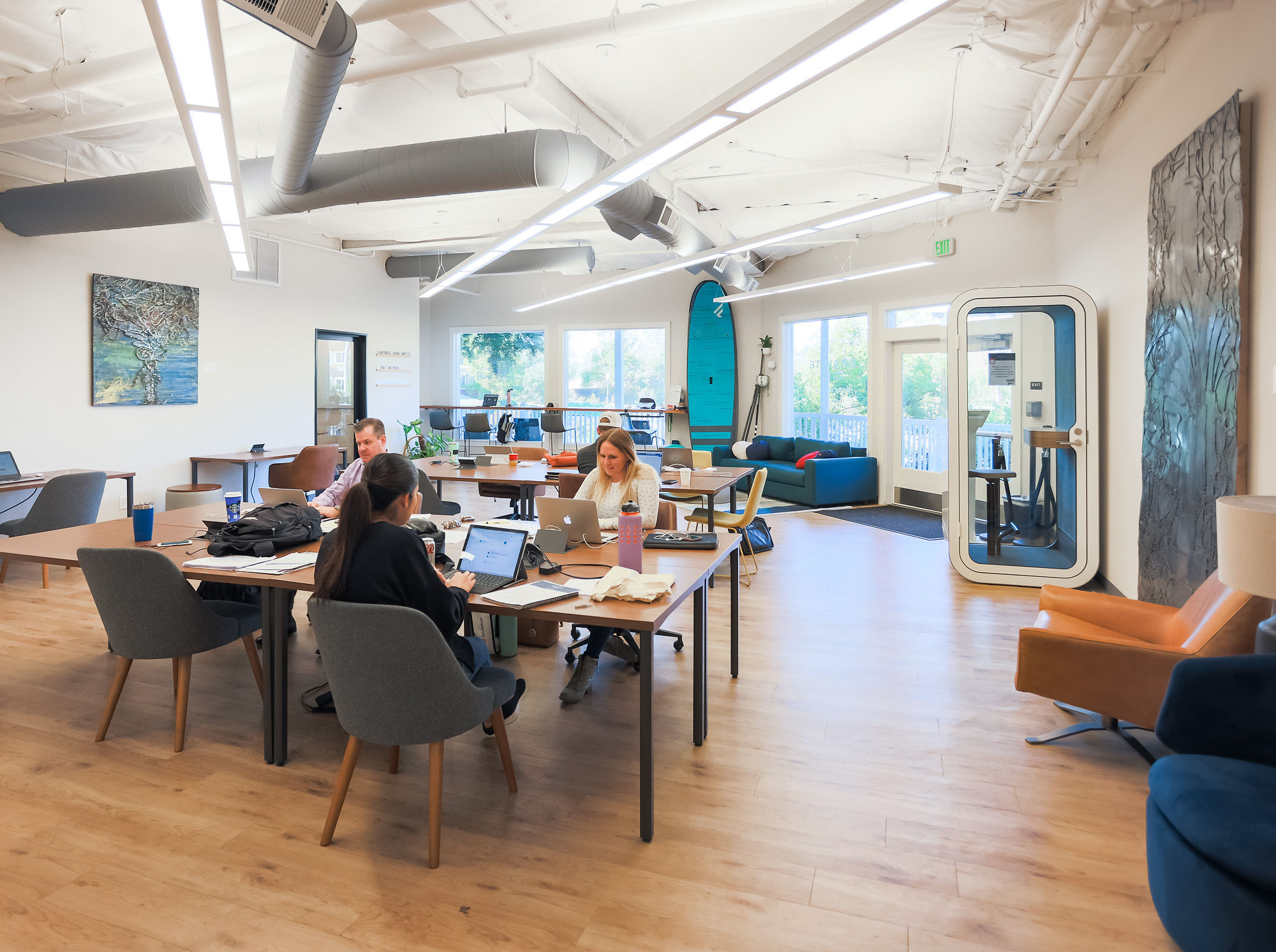
    Main coworking floor at Granite City Workspaces showing shared workstations and ergonomic seating

    The $2,000 Productivity Leak

    Financial costs are easy to track on a spreadsheet. Lost productivity is harder to see, but it’s far more damaging.

    A study cited by the Harvard Business Review suggests the average remote worker loses about 2.5 hours of productivity per day to home-related distractions. This isn't just about Netflix; it’s the "cognitive switching" cost of being in a domestic environment. Your brain knows where the snacks are, it knows which room needs vacuuming, and it knows when the mail arrives.

    For a professional earning $100,000 a year, your time is worth roughly $50 an hour. If you’re losing even two hours of deep focus a day, that’s $100 a day: or $2,000 a month: in lost output.

    When you drive down to Historic Downtown Folsom and walk into Granite City, that mental switch flips. You’re here to work. There are no dishes in the sink. There’s no doorbell. There are just other professionals, from the local AI ecosystem and tech startups, doing the same thing.

    That shift in environment doesn't just "save" time; it creates the kind of high-leverage focus that leads to faster growth and fewer weekend "catch-up" sessions.

    The Slow Decay of Your Professional Network

    There is a hidden, long-term cost to the home office: the shrinking of your professional world.

    The Federal Reserve Bank of New York found that remote workers spend about an hour more alone each day than their office-based counterparts. For a week, that’s fine. For a year, it’s a problem.

    In a world driven by who you know: especially along the Highway 50 tech corridor: isolation is a career risk. When you’re at home, you don't have the "hallway conversations" that lead to a new partnership, a referral, or a crucial piece of market intel.

    Members working and networking at Granite City Workspaces

    At Granite City, the person at the next table might be a founder graduating from their home office or an executive managing a distributed team for a Bay Area outpost. These aren't "networking events" with forced small talk; they’re organic, operator-to-operator connections.

    We’ve seen more deals closed and problems solved over our coffee bar than in a dozen scheduled Zoom "coffee chats."

    Why Granite City is the Logical Choice

    We didn't build Granite City to be a "vibrant community" for people to hang out. We built it for operators who need a high-utility environment to get things done.

    We’re located at 705 Gold Lake Dr, right in the heart of Historic Folsom. We’re the only independent, tech-forward workspace in the area that is founder-owned and operated. When you have an issue, you talk to us: not a corporate help desk in another time zone.

    Our memberships are designed to be low-friction:

    • Coworking Memberships: From a few days a month to 24/7 access.
    • Private Offices: For teams of 3–15 or single-seat executives who need a permanent, secure base.
    • Hourly Meeting Rooms: For when you need a polished, professional place to meet clients or run a board session.

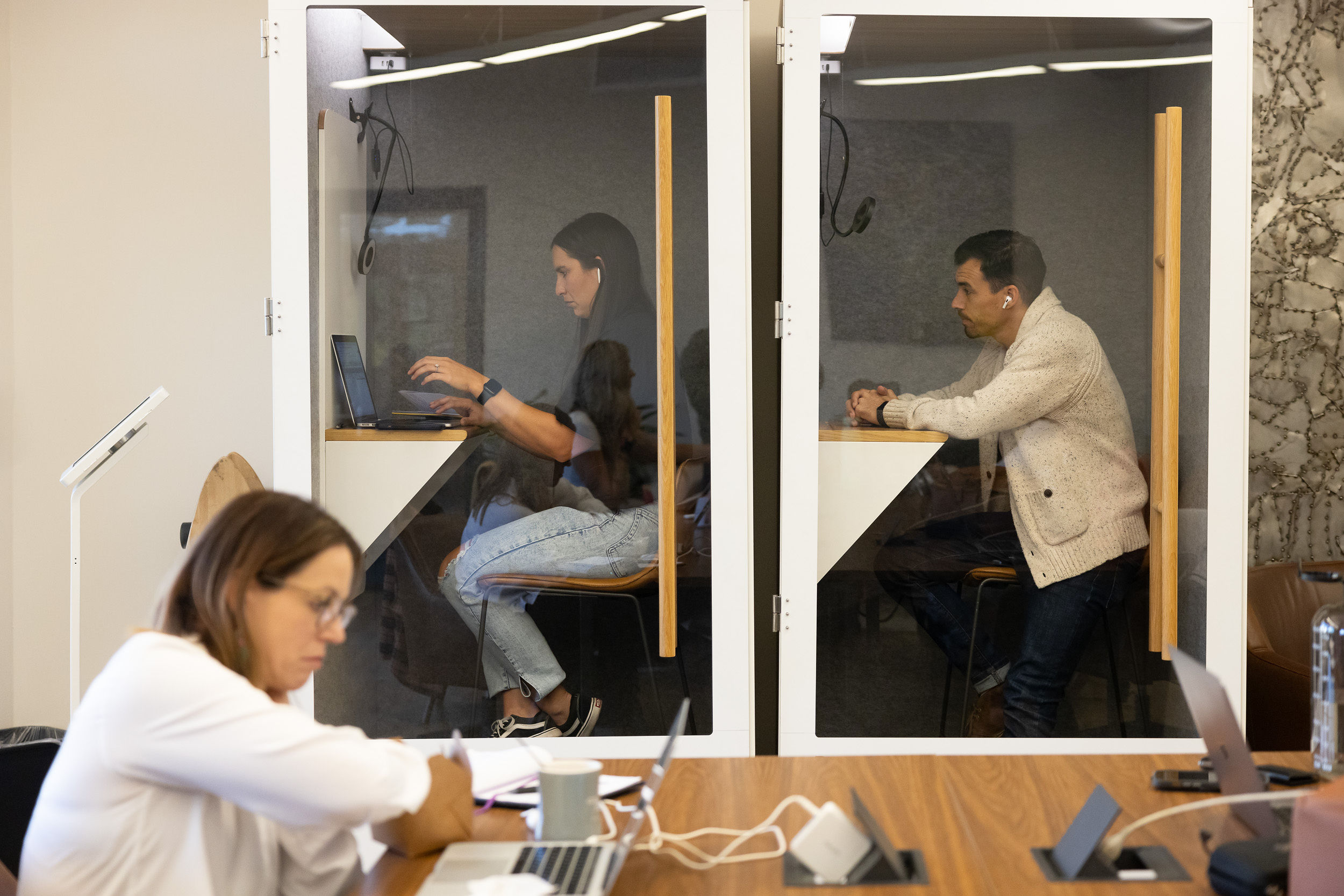
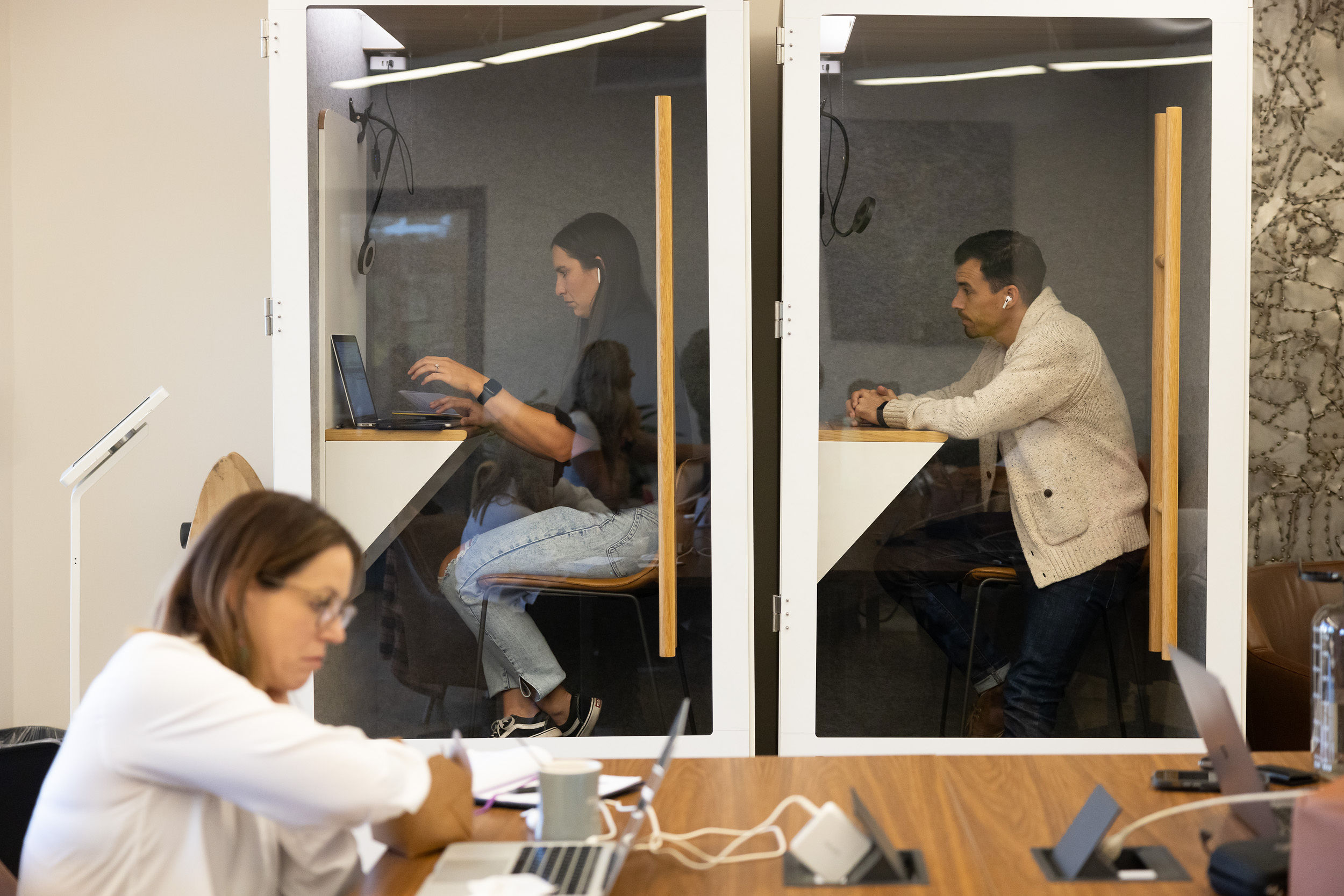
    Soundproof phone booths for private calls at Granite City

    Whether you’re escaping the home office or reducing a massive Bay Area footprint, we provide the smart-building infrastructure you need without the commute to Sacramento or San Francisco.

    The 10-Minute Setup

    We know you’re busy. Moving your "base of operations" shouldn't be a project. That’s why we’ve streamlined the onboarding process to be as fast as possible.

    It starts with a free one-week coworking trial. No credit card required. No commitment.

    Once you sign up, you just drop by between 8:30 am and 4:00 pm, Monday through Friday. We’ll do a 10-minute setup visit where we give you your keys, get you on the high-speed Wi-Fi, and show you where the coffee is.

    That’s it. Ten minutes later, you’re at a desk, productive and focused.

    Take Your Workday Back

    The "Gold Rush" might be part of Folsom’s history, but the real wealth in this corridor today is focus and professional connection. Don't let a "free" home office cost you your best work or your professional network.

    If the home office has stopped working for you, come see how a real workspace feels.

    Start your free one-week trial here

    Not ready for a week? You can also schedule a quick tour or book a day pass at granitecity.io/work-here.

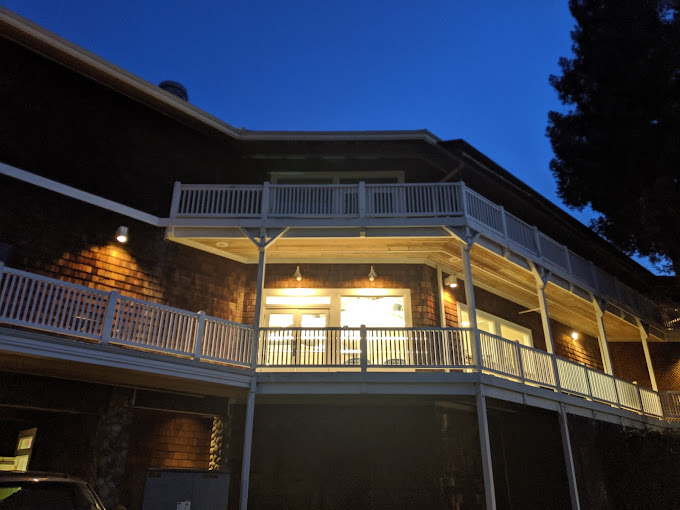
    Exterior of Granite City Workspaces at night in Historic Downtown Folsom

  • Bay Area HQ Vs Folsom Satellite: Why the Highway 50 AI Corridor is Winning in 2026

    Bay Area HQ Vs Folsom Satellite: Why the Highway 50 AI Corridor is Winning in 2026

    The commute to San Francisco used to be a badge of honor for tech talent in the Sacramento region. In 2026, it’s increasingly seen as a logistical failure.

    We’re seeing a massive shift in how Bay Area companies think about footprint. The "HQ-centric" model is giving way to distributed outposts along the Highway 50 AI corridor. For professionals in Folsom, El Dorado Hills, and Rancho Cordova, the choice is no longer between a three-hour round trip or working from a kitchen table.

    The infrastructure is finally here to support a different way of working. With the completion of the Fix50 multimodal project and the increased frequency of the Gold Line light rail into downtown Folsom, the friction of regional travel has dropped significantly.

    But it’s not just about easier transit. It’s about where the actual work gets done.

    The Rise of the Highway 50 AI Corridor

    The stretch of Highway 50 from Rancho Cordova through Folsom and up to El Dorado Hills has quietly become the "AI Corridor." It’s a concentration of engineers, founders, and consultants who realized they didn’t need to be in SOMA to build world-class software.

    Bay Area firms are reducing their San Francisco footprints and opening "satellite hubs" right where their senior talent lives. They’ve realized that a 35-year-old Lead Engineer in El Dorado Hills is more productive in a high-end local office than they are spending ten hours a week on a shuttle or a bridge.

    At Granite City Workspaces, we’re the landing pad for these satellites. We aren't a corporate-run franchise; we're operator-owned and deeply integrated into this regional ecosystem. When you walk in, you’re not just getting a desk; you’re joining a community of people who are actually building things.

    A collaborative workspace area in 'The Loft' at Granite City, designed for team huddles and focused sessions within the Folsom-Rancho Cordova AI ecosystem.

    Why the "Work from Home" Honeymoon is Over

    Working from home was a great experiment, but for the 30-to-55 demographic, the novelty has worn off. If you’re managing a distributed team or running a consultancy, focus is your most valuable currency.

    The distractions of a home office—unreliable Wi-Fi, the neighbor's lawn mower, or the blurring of "work" and "life" boundaries—eventually hit a ceiling. Professionals who value deep work are looking for a "third space" that offers the privacy of an office with the flexibility of a membership.

    Our private offices and coworking memberships are designed for this. We’ve invested in smart-building infrastructure through our sister brand, FollowThrough Works, to ensure the tech stays out of your way.

    Satellite Offices: The New Standard for Distributed Teams

    For teams of 3 to 15, the traditional long-term commercial lease is becoming a liability. A Folsom satellite office at Granite City provides the "HQ feel" without the capital expenditure of a 5-year build-out.

    These teams need more than just a table. They need:

    • Privacy for Calls: Our soundproof privacy booths handle the sensitive Zoom sessions.
    • Professional Meeting Space: When the Bay Area board members or clients fly in, you don’t meet at a coffee shop. You book a polished meeting room.
    • Reliable Connectivity: Managed IT that doesn't go down during a sprint.

    The satellite model allows companies to retain top talent by respecting their time. A 10-minute drive from El Dorado Hills or Fair Oaks beats a commute to the city every single time.

    Local Infrastructure, Global Impact

    The Highway 50 AI corridor isn't just a catchy name. It’s a reflection of the regional talent pool. We’re seeing a surge in startups graduating from home offices and wanting a permanent, dedicated space in Historic Downtown Folsom.

    Being located in the heart of Folsom means you're steps away from Lake Natoma and the best coffee and lunch spots in the region. It’s the professional environment of a downtown high-rise with the soul of a historic California town.

    One of our members recently noted that moving their team here felt like "striking gold" without having to dig. The Gold Rush history of Folsom is a nice nod, but the modern reality is about digital assets and neural networks.

    Getting Started: The 10-Minute Setup

    We know you’re busy. We don’t do "corporate-formal" tours that take an hour of your day.

    If you’re curious about how a satellite office or a coworking membership fits your workflow, come in for a 10-minute setup visit. We’ll show you the floor, get your devices on the secure Wi-Fi, and let you get back to work.

    Members utilizing soundproof phone booths for private calls at Granite City, ensuring confidentiality and focus.

    The transition from a Bay Area HQ to a Folsom satellite is more than a cost-saving measure—it’s a productivity play. If you're ready to stop commuting and start focusing, we're here.

    Ready to skip the commute?

    Claim your Free Week Trial here.

    If you need a more permanent solution for your team, explore our private office options.

  • fraidays-at-granite-city-ai-for-small-business-in-historic-folsom-62

    frAIdays at Granite City

    You’ve likely sat through a webinar or read an article telling you that AI will either save your business or end it. For most small business owners in the Folsom–Rancho Cordova corridor, the reality is somewhere in the middle: a list of tools you haven’t had time to test and a nagging feeling that your competitors might be moving faster.

    The noise is the problem. It’s hard to find the signal when every “AI expert” is selling a different version of the future. On Friday, May 22, 2026, we’re changing that. We’re launching frAIdays at Granite City, an event specifically designed for local operators, founders, and distributed teams who need practical implementation, not just inspiration.

    This isn’t a lecture. It’s an immersive, multi-track experience designed to help you actually move the needle on your operations. And we’re doing it right here in Historic Downtown Folsom.

    The Multi-Track Experience: Spark, Flame, and Forge

    One of the biggest hurdles with business workshops is the “one-size-fits-all” approach. You’re either stuck in a room where the content is too basic, or you’re drowning in technical jargon that doesn’t apply to your three-person consultancy.

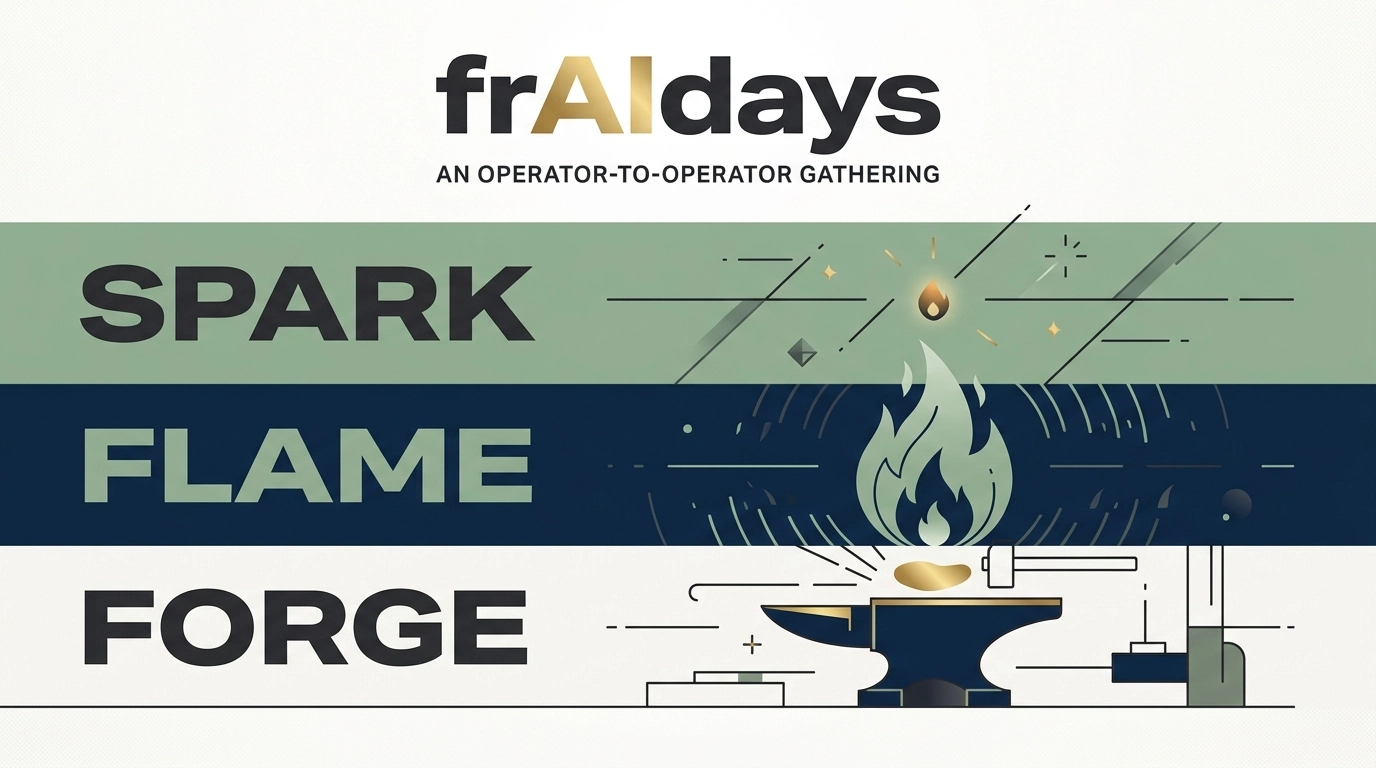
    To solve this, we’re using a multi-channel headset format. When you walk into Granite City Workspaces, you’ll be handed a pair of high-quality wireless headsets. You can switch between three distinct individualized audio tracks: Spark, Flame, and Forge: at any time, allowing you to tailor the morning to your specific needs without leaving your seat or missing the energy of the room.

    Silent Disco Learning Setup

    Spark: The Strategy Level

    The Spark track is for the owner who needs to understand the “why.” We’ll cover the 30,000-foot view of AI for small business in 2026. This isn’t about code; it’s about decision-making. Which parts of your workflow should be automated? How do you maintain a human touch in your customer service while using AI to handle the 80% of routine inquiries? This track focuses on the ROI of AI and how to build a roadmap that doesn’t break your existing processes.

    Flame: The Tooling Level

    If you know what you want to do but aren’t sure which tool to use, the Flame track is your home. We’ll be doing live walkthroughs of the current tech stack: from marketing automation and predictive inventory management to AI-driven financial forecasting. We’ll show you how local businesses are using these tools to get paid faster and reduce content creation time, all while staying lean.

    Forge: The Implementation Level

    The Forge is for the hands-on operator. This is where we get into the “how.” You’ll see real-world prompt engineering, API integrations that don’t require a developer, and ways to “train” AI on your own business data safely. This is about building the systems that will run in the background while you focus on high-level growth.

    Spark Flame Forge Graphic

    Why Folsom is the Hub for AI Implementation

    We talk a lot about the Highway 50 AI corridor for a reason. Between the tech talent coming out of Rancho Cordova and the founder energy in Folsom and El Dorado Hills, our region is uniquely positioned to lead in AI adoption.

    At Granite City, we aren’t just a coworking space near Rancho Cordova; we are a tech-forward hub powered by smart-building infrastructure. Our sister brand, FollowThrough Works, ensures that the bones of our workspace: our fiber connectivity and secure networks: are ready for the heavy lifting that modern AI tools require.

    When you join us for frAIdays, you aren’t just visiting a venue. You’re entering an ecosystem of operators who are dealing with the same challenges you are: scaling a team, reducing overhead, and staying competitive in a rapidly changing market.

    Moving from Learning to Doing

    The biggest risk of any event is that the momentum dies the moment you get back to your car. You leave with a notebook full of ideas but no time to execute them because the “day job” takes over.

    That’s why we’re integrating the frAIdays launch with our membership community. We want you to have the space, literally: to implement what you learn. Whether you need a private office for a focused afternoon of system-building or a meeting room to walk your team through a new AI workflow, we’ve built this environment for work.

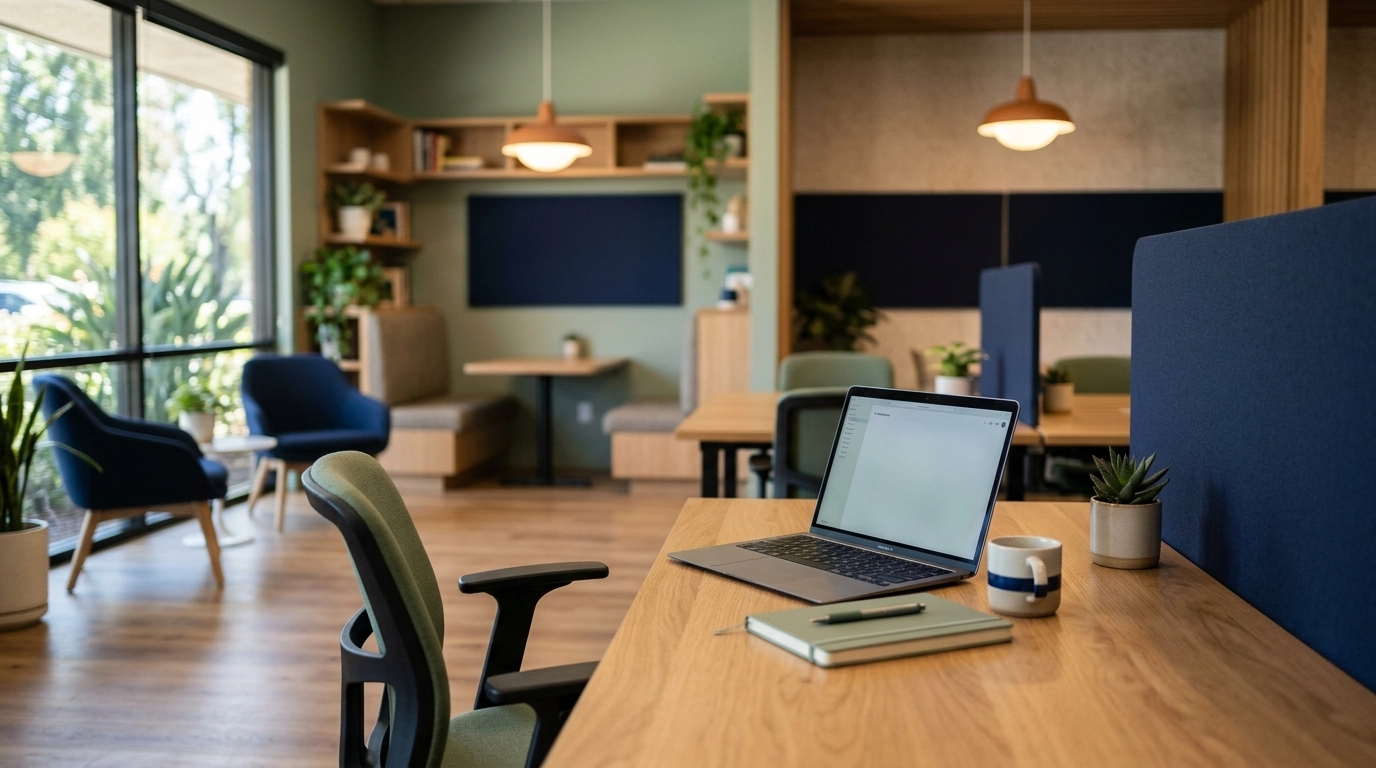
    Granite City Workspace Interior

    The shift to AI for small business isn’t about replacing people; it’s about giving your people: and yourself: more time to do the things that actually matter. By automating the administrative weight, you can get back to the strategy, the creativity, and the client relationships that built your business in the first place.

    Join Us on Friday, May 22nd

    The frAIdays launch is more than just a workshop; it’s a commitment to the local business community. We are moving past the hype and into the work.

    Much like the pioneers who once sought their fortunes in the hills surrounding Historic Downtown Folsom, today’s founders are navigating a new frontier. The tools have changed, but the spirit of local grit and innovation remains the same.

    Event Details:

    • Date: Friday, May 22, 2026
    • Location: Granite City Workspaces, Historic Downtown Folsom
    • Format: Multi-track individualized audio experience (Spark, Flame, Forge)
    • Theme: AI for Small Business Implementation

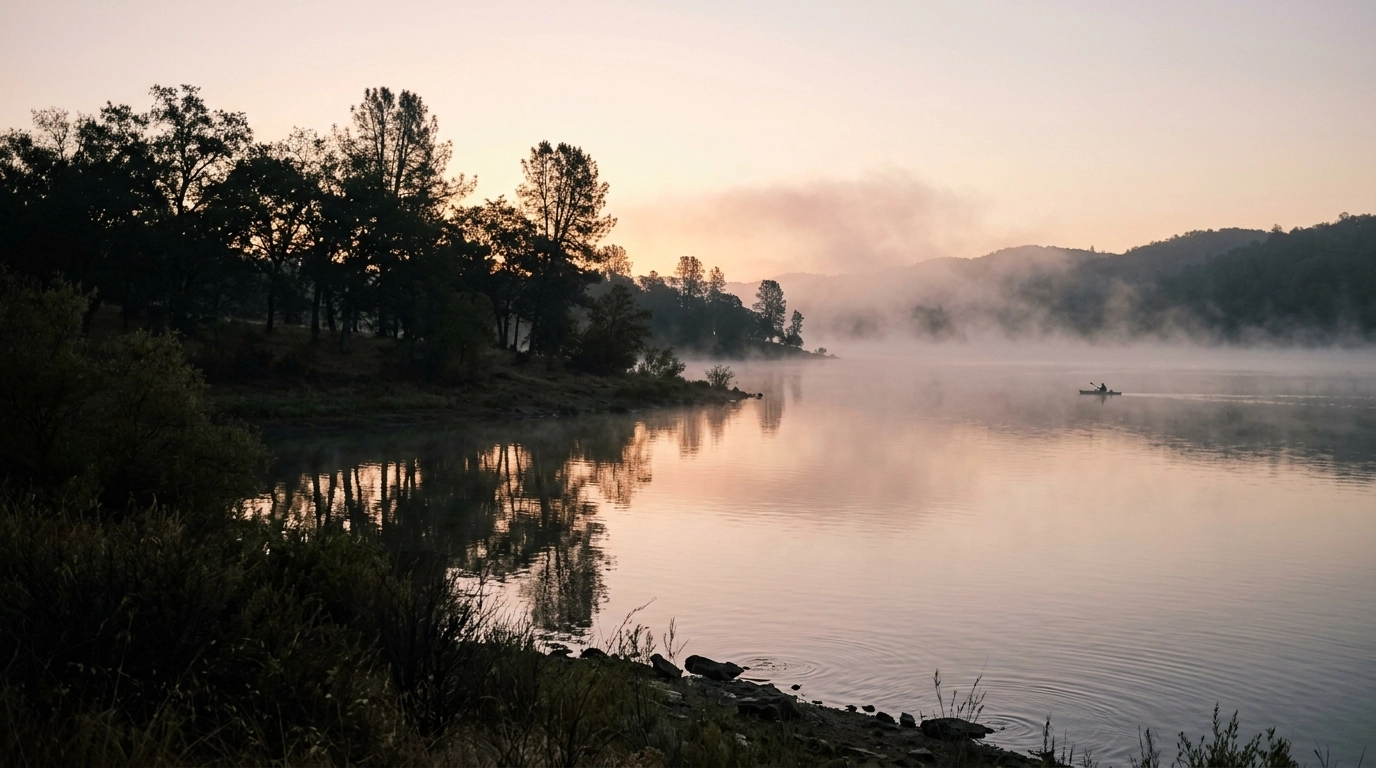
    Lake Natoma at Dawn

    Keep the Momentum Going: Free Coworking Trial

    Don’t let the lessons from frAIdays sit on a shelf. We want to help you put these tools into practice immediately.

    We are offering a free coworking trial week at Granite City Workspaces for all local business owners and remote professionals. Come in, use our high-speed infrastructure, grab a coffee, and spend a few days actually building the AI systems we discuss at the event.

    Book your free trial week here and let’s get to work.

    We’ll see you on Friday, May 22nd. The headphones will be ready.

  • The Startup Secret Sauce: Why Flexible Workspace Beats a 5-Year Lease Every Time

    A five-year lease looks reasonable right up until your headcount changes, your cash needs shift, or you realize you’re paying for square footage you won’t use for another 18 months.

    That’s the problem for a lot of founders, consultants, and small teams in Folsom and along the Highway 50 corridor. A traditional office lease asks you to make a long-term real estate decision before your business has earned that kind of certainty. Deposits, buildout costs, furniture, internet, cleaning, and facility management all stack up fast.

    Flexible workspace solves a different problem. Instead of locking into a fixed footprint and hoping your business grows into it, you get what you need now and room to adjust later.

    At Granite City Workspaces, we see this play out every week. Teams want a professional place to work, meet clients, and stay productive, but they don’t want a 60-month commitment hanging over every other decision. That’s where flexible workspace starts to make sense.

    The Cost Problem Isn’t Just Rent

    When you sign a five-year lease for a traditional startup office space, you’re not just agreeing to monthly rent. You’re usually taking on a deposit, furniture, internet setup, cleaning, utilities, and the time cost of managing all of it.

    For an early-stage company or a growing small business, that matters. Cash tied up in a lease is cash you can’t put toward hiring, sales, product work, or a buffer for the quarter that doesn’t go as planned. The real issue with a traditional lease is timing: you’re paying today for the office you might need later.

    A flexible workspace changes that equation. You can start with what fits now, whether that’s a coworking membership, a day pass, or a private office for rent, and adjust as the business changes. You keep overhead more predictable, and you avoid getting boxed in by a decision you made too early.

    Growth Looks Messy. Your Office Setup Should Handle That.

    A lot can change in six months. You might go from two people to seven. You might hire in phases. You might realize the team needs private offices for calls but only occasional meeting room time. Or you might decide not to add permanent seats at all.

    Traditional leases handle that poorly. If you outgrow the office early, you’re stuck negotiating, subleasing, or moving. If growth slows down, you still carry the same monthly obligation.

    Granite City is better suited to the way smaller teams actually operate. You can start with coworking, move into a private office, add meeting room use when you need it, and avoid rebuilding your office plan every quarter.

    Day-to-Day Operations Matter More Than the Brochure

    A workspace decision usually gets framed around square footage. In practice, most teams feel the impact in day-to-day operations.

    Can you take a client call without hunting for privacy? Can your team show up and work without dealing with internet installs, cleaning schedules, or office management? Can you book a room for a planning session and move on with your day?

    That’s where flexible workspace tends to outperform a traditional office for smaller companies. Granite City gives members a professional setup that’s already working: reliable internet, usable work areas, meeting room access, and a cleaner operational baseline than trying to patch together a small leased office on your own.

    A Good Workspace Also Solves the Isolation Problem

    There’s another issue founders and remote professionals run into after a few months at home or in a closed-off office: work gets quieter, slower, and more isolated than they expected.

    At Granite City, the value is less about forced networking and more about proximity to other operators. You see familiar faces. You have real conversations between meetings. You get a more professional cadence than you do working solo from a spare bedroom or coffee shop.

    Clients Notice the Difference

    There’s also a brand side to this. If you meet clients, candidates, or partners in person, the setting matters.

    A coffee shop can work in a pinch. It usually isn’t the right place for a board discussion, financial review, hiring interview, or client presentation. Having access to professional meeting rooms for teams and polished workspace changes how those meetings feel.

    Granite City gives businesses a cleaner, more credible setup without requiring them to lease and manage a full office.

    The Better Question to Ask

    If you’re deciding between a traditional lease and flexible workspace, the question isn’t which option sounds bigger or more permanent. It’s which option gives your business the most useful setup with the least drag.

    For a lot of small teams, the answer is straightforward. Flexible workspace reduces upfront costs, gives you room to adjust, and lets you operate from a professional environment without taking on a second job as office manager.

    If you want to compare options in person, book a tour at Granite City or start with a day pass. Low commitment. Easy way to see if it fits the way you actually work.

    Explore coworking memberships, compare pricing and plans, or book a tour to see the space in Historic Folsom.

  • Traditional Lease vs. Private Office Rental | Folsom

    You’re a founder or a team leader, and your crew is outgrowing the “everyone works from home” phase. You need a base of operations. You start looking at commercial real estate in Folsom, and you see a nice 2,000-square-foot shell near the Highway 50 corridor. The price per square foot looks reasonable on paper. Then you see the term: five years. Minimum.

    Suddenly, you’re not just looking for an office; you’re making a half-decade bet on your headcount, your cash flow, and your personal time.

    For teams of 3 to 15 people—whether you’re a local startup graduating from a garage or a Bay Area firm setting up a Sacramento-area outpost—the traditional commercial lease is often a trap. It’s a legacy model built for a world that didn’t have distributed teams or volatile growth cycles.

    Here is why a private office at Granite City Workspaces usually beats the traditional lease for teams in the Folsom and El Dorado Hills area.

    THE “INVISIBLE” COSTS OF GOING TRADITIONAL

    When you sign a traditional commercial lease, the “rent” is just the cover charge. Most local listings are NNN (Triple Net), meaning you’re also on the hook for property taxes, insurance, and Common Area Maintenance (CAM).

    Then there’s the build-out. Unless the space is already perfect, you’re looking at Tenant Improvements (TI). Even with a TI allowance from the landlord, you’re managing contractors, permits, and delays.

    At Granite City, we operate differently. We’re operator-owned, not corporate-managed. When you move a 10-person team into one of our private offices, your “all-in” number is actually all-in. Furniture is included—high-end, ergonomic, and ready on day one. Utilities and janitorial are handled. Internet is enterprise-grade, managed-fiber, and redundant.

    You aren’t just saving on the monthly check; you’re saving the 20+ hours a month you’d spend playing office manager for a traditional space.

    FLEXIBILITY AS A COMPETITIVE STRATEGY

    If you’re a team of five today, where will you be in 18 months? Flexible private office rentals allow you to scale in real-time. You might start with a 4-seat office to get your core local leadership together, then expand into a larger suite or add a second office as you hire.

    In a traditional lease, scaling usually involves a moving truck and a lawyer. At Granite City, it involves a quick conversation with the person who owns the building.

    INFRASTRUCTURE POWERED BY FOLLOWTHROUGH WORKS

    Most commercial buildings in the Highway 50 AI corridor are “dumb” buildings. Because we are sister brands with FollowThrough Works (our managed IT and smart-building arm), our infrastructure is built for tech-forward companies: secure access, reliable connectivity, and a physical environment designed for people who make a living on their laptops.

    THE LIFESTYLE DIVIDEND: FOLSOM VS. THE COMMUTE

    If your team lives in Folsom, El Dorado Hills, or Rancho Cordova, the biggest perk you can give them isn’t a ping-pong table—it’s an hour of their life back every day. Being located in Historic Folsom means your team can walk to lunch, grab a coffee at a local spot, or even hit Lake Natoma for a quick reset after a heavy sprint.

    IS GRANITE CITY RIGHT FOR YOUR TEAM?

    If you’re a 3-15 person team that values agility, high-end tech, and a local footprint, the math for a private office rental is hard to argue with. You get a permanent, dedicated space with your own door and your own culture, but without the liabilities of a long-term commercial contract.

    Ready to see the difference for yourself? Skip the brokers and the 50-page lease agreements. Book a tour at granitecity.io/work-here or check out our team pricing at granitecity.io/pricing.

    Explore coworking memberships, compare pricing and plans, or book a tour to see the space in Historic Folsom.

  • Better Bridge: Empowering Communities Through Financial Education & Opportu


    At Granite City Workspaces, we believe strong communities are built on knowledge, collaboration, and opportunity. That’s why we’re proud to highlight organizations like Better Bridge, a nonprofit dedicated to providing free financial education, workforce development, and entrepreneurship support to individuals and families.

    If you’re looking for ways to improve financial literacy, grow your business, or gain practical life skills, Better Bridge is making a real difference.


    What Is Better Bridge?

    Better Bridge is a nonprofit organization focused on delivering accessible, high-impact financial education to underserved communities. Their mission is to bridge the gap between financial uncertainty and long-term stability by equipping people with the tools they need to succeed.

    Through workshops, seminars, and community programs, Better Bridge helps individuals:

    • Understand budgeting and personal finance
    • Build and improve credit
    • Manage debt effectively
    • Develop long-term financial strategies
    • Explore entrepreneurship and business growth

    By removing barriers to education, Better Bridge ensures that everyone—regardless of background—has access to resources that can change their financial future.


    Why Financial Education Matters

    Financial literacy is one of the most powerful tools for long-term success. Without it, individuals and families often face unnecessary challenges, from high-interest debt to limited opportunities for growth.

    Better Bridge addresses these challenges by providing:

    Their work goes beyond theory—it’s about giving people the confidence and knowledge to make informed decisions that impact their everyday lives.


    Supporting Entrepreneurs & Local Growth

    At Granite City Workspaces, we’re surrounded by entrepreneurs, freelancers, and small business owners who are actively building the future of our community.

    Better Bridge plays a key role in supporting that growth by helping individuals:

    • Start and scale businesses
    • Gain financial confidence
    • Access tools for sustainable success

    When people are empowered with the right knowledge, they don’t just improve their own lives—they contribute to a stronger, more resilient local economy.


    Granite City Workspaces & Community Impact

    Granite City Workspaces is more than just a coworking space—we’re a hub for innovation, collaboration, and community growth.

    We’re proud to support organizations like Better Bridge because we believe in:

    • Creating opportunities for everyone
    • Supporting local entrepreneurs
    • Building a connected, thriving community

    Together, we’re helping turn ideas into action and challenges into opportunities.


    Get Involved with Better Bridge

    If you’re ready to take control of your financial future, grow your business, or simply learn more about the resources available to you, Better Bridge is a great place to start.

    👉 Visit https://betterbridge.org/ to learn more about their programs, workshops, and mission.


    Join the Granite City Community

    Looking for a space where you can grow, connect, and thrive?

    At Granite City Workspaces, you’ll find:

    • Modern coworking spaces
    • Private offices
    • Conference rooms
    • Fast, reliable WiFi
    • A supportive community of professionals

    👉 Start your FREE 7-day trial today:
    🌐 https://granitecity.io

    Come see how the right environment—and the right community—can make all the difference.

    https://betterbridge.org/event/launch-party/#tribe-tickets__tickets-form

    Explore coworking memberships, compare pricing and plans, or book a tour to see the space in Historic Folsom.

  • Moving at Work: Why Exercise Belongs in the Workplace | Granite City Worksp

    Modern work often means long hours sitting behind a desk, but our bodies and minds were built to move. Research continues to show that incorporating movement into the workday isn’t just good for your physical health — it’s also a proven way to boost productivity, spark creativity, and improve overall well-being.

    At Granite City Workspaces , we believe that movement — whether it’s walking, stretching, or even paddling out on the river — is an essential part of thriving at work. We’ve designed our space so that staying active feels natural and, dare we say, enjoyable.


    Why Movement Matters at Work
    1. Better Health, Better Mood

    Sitting for long stretches can lead to stiffness, back pain, and other health issues over time. Small bursts of activity — like a quick walk, a stretch break, or a few minutes on an under-desk treadmill — help improve circulation, posture, and energy levels.

    Exercise also boosts endorphins, which reduce stress and improve your mood. Employees who move throughout the day often feel more focused, positive, and less burned out.


    2. Sharper Focus and More Productivity

    Movement fuels your brain just as much as your body. Even short, active breaks improve blood flow to the brain, sharpening focus and boosting problem-solving abilities.

    Instead of reaching for a second cup of coffee during that mid-afternoon slump, a few minutes of walking or a paddle session on the river can refresh your mind and renew your energy.


    3. The Power of Water for Wellness

    At Granite City, we’re fortunate to be just steps from the American River — and we make it easy for our members to tap into the natural benefits of being near water.

    Spending time by water is proven to reduce stress and improve mental clarity. The calming sights and sounds of the river help lower blood pressure, promote relaxation, and spark creativity.

    That’s why we offer paddle boards for our members. Whether you take a quick paddle during lunch or unwind after work on the river, being on the water helps clear your mind and recharge your spirit. It’s exercise for the body and a reset button for the brain.


    🚶‍♂️ Practical Ways to Move More at Work

    Walking Pads & Under-Desk Treadmills: Great for getting your steps in during calls or while catching up on emails.

    Standing Desks & Stretch Zones: Helps reduce strain from sitting too long and encourages micro-movements throughout the day.

    Walking Meetings: A refreshing way to boost creativity and make meetings more productive.

    On-Site Fitness Corners: With yoga mats, light equipment, or space for quick workouts.

    Paddle Boards by theRiver: Perfect for an energizing midday break or a peaceful start to your morning.

    Wellness Challenges: Fun team activities that keep motivation high and encourage everyone to move more.


    Future Built on Active Workplaces

    Movement at work is no longer a “nice-to-have,” it’s a key to creating healthier, happier, and more productive workplaces. Companies that embrace activity as part of their culture see improved morale, reduced absenteeism, and stronger engagement among employees.

    At Granite City Workspaces , we’ve built an environment where movement and nature go hand-in-hand — because we know that a healthy, energized team is a stronger, more successful one.


    Take the First Step (or Paddle) Today

    It starts small: a lunchtime stroll, a walking meeting, or a few minutes of stretching during your day. And for an extra boost, grab one of our paddle boards and spend some time on the river, you’ll be surprised how refreshed and focused you feel afterward.

    At Granite City Workspaces, every step and every paddle is a step toward a healthier, more balanced workday.

    Explore coworking memberships, compare pricing and plans, or book a tour to see the space in Historic Folsom.

  • Learn. Launch. Lead: The 2025 NASA Space Apps Challenge | Granite City Work

    Every year, NASA opens the doors to its ever-expanding universe of Earth and space science through a truly global hackathon: the NASA Space Apps Challenge. This October 4-5, 2025, innovators, dreamers, tech-enthusiasts, students, artists, and researchers from around the world will again unite under the banner. Get ready to dream, design and deliver!


    What is the NASA Space Apps Challenge?

    This is more than just a hackathon. Created to tap into the collective ingenuity of people everywhere, Space Apps Challenge invites participants to tackle real-world challenges related to Earth, space, and everything in between. It’s part competition, part learning experience, and wholly collaborative. Teams (up to 6 people) will explore challenges from science, art, design, technology, and policy domains.


    Important Dates & Deadlines

    To make sure you don’t miss out:

    What Deadline / Key Time
    Register & create your account Open now through October 5th
    Select a Local Event (in-person or virtual) October 4th & 5th
    Join or form a team By August 21 for team formation
    Project submission October 4 (start) – October 5 (11:59 PM local event time)
    Feedback survey October 24

    What to Expect

    • 18 challenges to pick from. These span topics that push boundaries: Earth observation, climate, space exploration, the intersection of art + science, social justice, data visualization — lots of room for creativity.
    • Local Events or a virtual “Universal Event” if there isn’t a nearby hub. So geographic location is less of a barrier: you can plug in wherever you are.
    • Teams of up to six. Collaborating is at the heart of this. Diverse skill-sets often make the difference.
    • Global judging and awards. This means your project isn’t just seen locally — it’s part of a global conversation, competing among entries from around the world.

    Why It Matters

    1. Real-World Impact. The challenges are not abstract. They draw from NASA’s Earth Science Division and real mission data. Solutions developed here could inform future research, public policy, or even mission design.
    2. Learning & Skill Building. Whether you’re new or experienced, hackathons force you to get creative, work under time constraints, collaborate, adapt. You’ll stretch your skills in coding, design, data analysis, storytelling — whatever your role.
    3. Networking & Community. You get connected with mentors, NASA staff, other participants globally. It’s often the relationships forged (and ideas shared) that outlast the event.
    4. Visibility & Recognition. If your team’s work resonates, you might gain exposure through NASA’s platforms or partner networks. For many participants, that access and acknowledgment are transformative.

    Tips for Making the Most of It

    • Start early: even before the event, explore the 18 challenge areas. Think about which you’re passionate about or which match your skills.
    • Build a diverse team: combine people with coding, design, domain expertise, storytelling, data skills.
    • Use the resources: NASA Space Apps provides FAQ, data sets, mentors. Don’t reinvent the wheel.
    • Focus on clarity: good ideas are great; good communication of the idea (why it matters, how it works) often separates winners.
    • Think about sustainability and user impact — not just novelty. NASA and judges often favor solutions that are feasible and can scale or continue beyond the hackathon.

    How to Get Started

    1. Register for a NASA Space Apps account (or log in if you already have one).
    2. Pick a Local Event (or virtual one). Space Apps Challenge
    3. Find or form a team (up to six people). If you don’t have teammates, look for people in your university, community, online forums.
    4. Select which challenge to tackle. Read through the challenge summaries carefully; pick one that excites you.
    5. Make a game plan: divide roles among teammates, decide on tools, sketch prototyping efforts, set timeblocks over the hackathon weekend.

    A Few Thoughts on Potential Challenge Themes

    While the specific challenge prompts are fresh for 2025, past years hint at where things are heading: Earth system health , climate resilience , space resource utilization , data accessibility , equity & inclusion in science & tech, creative expression along with data science. If your project can sit at an intersection (e.g. art + climate, or community engagement + remote sensing), it might stand out.


    Final Word

    The NASA Space Apps Challenge 2025 is not just a contest. It’s an opportunity to test your creativity under real constraints, to connect with people you wouldn’t otherwise meet, to have your ideas heard on a global stage. Whether you come in with a polished concept or just a spark of curiosity, there’s space here for learning, launching, and leading.

    If you’re reading this: go for it. Register, team up, and see what you and your crew can build in 48 hours. The sky (and beyond) might be just the beginning.

    Explore coworking memberships, compare pricing and plans, or book a tour to see the space in Historic Folsom.