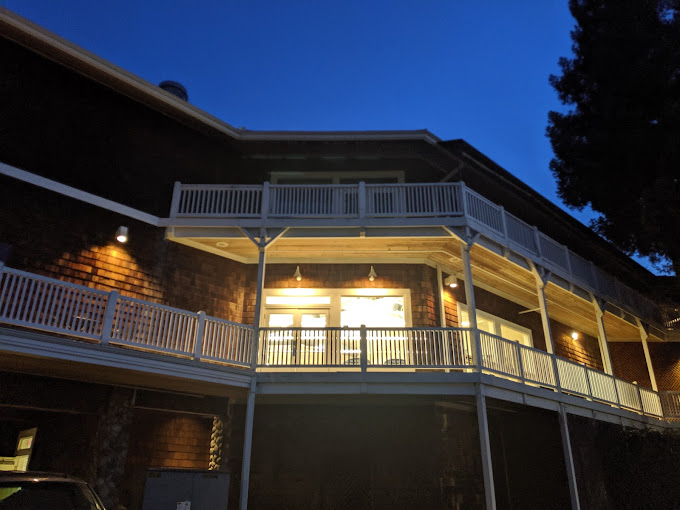
A satellite office is a secondary workplace maintained by a company outside its primary headquarters to better serve regional markets and distribute teams. In 2026, Bay Area tech companies are choosing Folsom as their premier outpost location to capture senior engineering talent while cutting real estate overhead by up to 40%.
For distributed teams of 3 to 15 seats, high-growth startups graduating from home offices, and established Silicon Valley enterprises looking for a Sacramento-area presence, the traditional commute to San Francisco or Oakland is no longer viable. Instead, operators are discovering that the Highway 50 AI corridor offers an unbeatable combination of smart-building infrastructure, exceptional quality of life, and immediate proximity to top-tier talent. According to the U.S. Bureau of Labor Statistics, distributed work structures and regional office decentralization continue to reshape corporate real estate as firms seek agile alternatives to expensive downtown leases (source: U.S. Bureau of Labor Statistics).
Why are Bay Area tech companies cutting San Francisco footprint?
Bay Area companies are shrinking their primary SoMa and downtown footprints to eliminate exorbitant lease costs and combat executive burnout caused by grueling commutes. Granite City's operator-led insight shows that decentralizing team operations into flexible regional hubs preserves company culture while slashing fixed overhead.
Cost matters, but the bigger issue is often cognitive load. A high-stress urban office asks people to burn energy before the workday even starts. Parking friction, building access headaches, noisy streets, long commutes, crowded transit, and the constant background stress of a dense downtown environment all chip away at decision quality. For engineering teams, product teams, and operators, that drag is real. It doesn't show up neatly on a lease spreadsheet, but it absolutely shows up in missed focus, slower execution, and more burnout.
A regional hub in Folsom changes that equation. Instead of spending attention on logistics, teams can spend it on shipping product, solving customer problems, and running cleaner meetings. The result is focused output over urban friction. People arrive with more bandwidth. Leaders get better working sessions. Teams can hold strategy reviews, sprint planning, and hiring interviews in a setting built for clarity rather than survival.
By shifting non-essential downtown square footage into agile outposts, organizations redirect capital toward product development and team growth. When founders explore regional expansion, understanding the broader regional advantages is critical, as outlined in our guide on Why the Hwy 50 AI Corridor is the Best Place to Grow Your Startup in 2026. Instead of forcing senior engineers to battle traffic on I-80 or endure expensive Bay Area commutes, forward-thinking leaders establish professional outposts where their workforce actually lives.
There's also a practical real estate point here. Many companies no longer need every Bay Area employee in one flagship office five days a week. What they do need is a reliable place for the Sacramento-region squad to work together, meet clients, and stay locked in with HQ. A satellite office solves that without committing to the weight of a traditional long-term downtown lease.
What makes the Highway 50 corridor ideal for distributed teams?
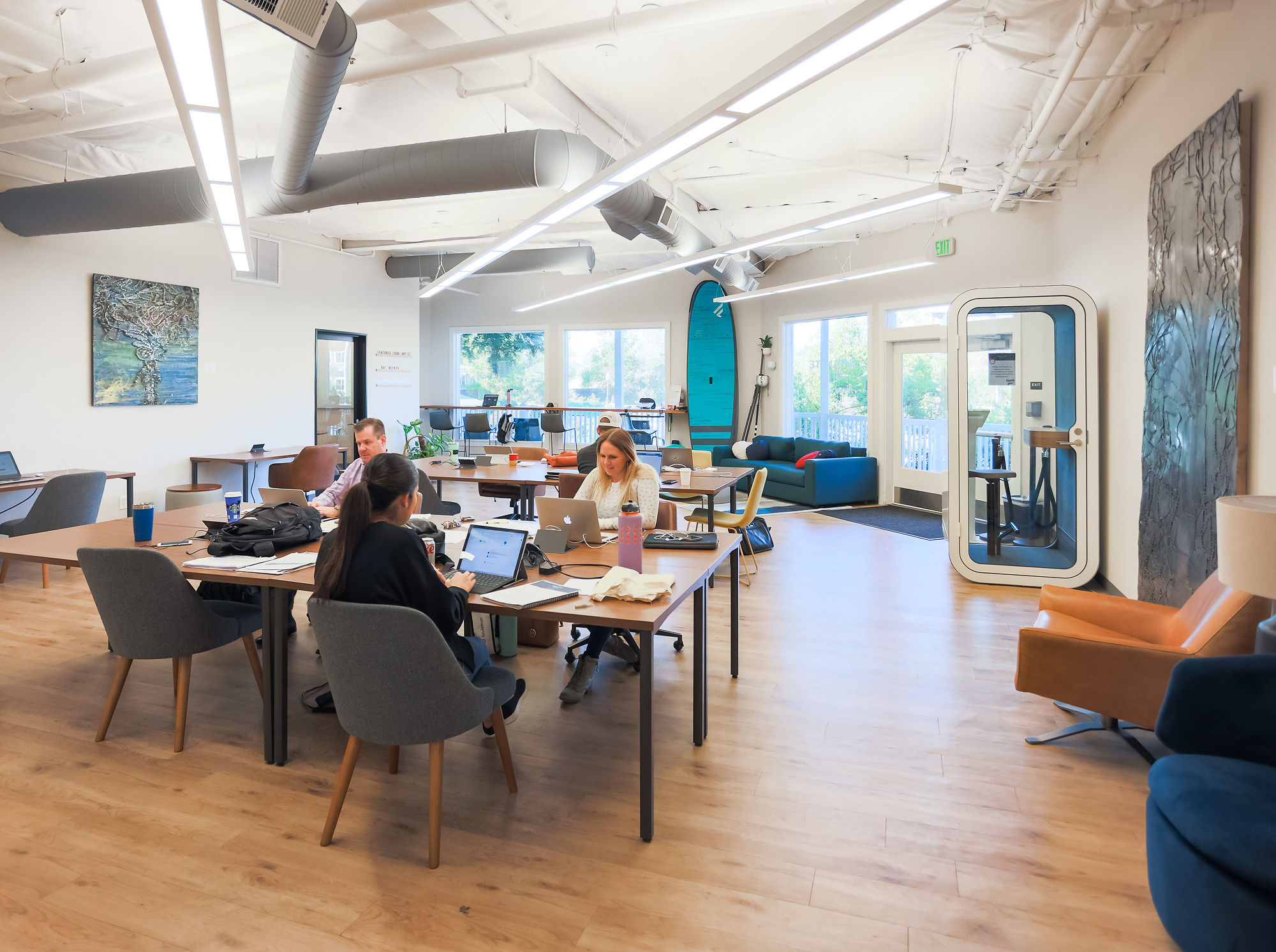
The Highway 50 corridor provides world-class connectivity, reliable fiber-optic infrastructure, and an established tech ecosystem anchored by historic innovation roots. This corridor acts as Northern California's engineering backbone, connecting Folsom, Rancho Cordova, and El Dorado Hills into a cohesive business community.
Distributed teams need more than just desks; they require enterprise-grade reliability and seamless collaboration tools. That technological backbone is powered by our sister brand, FollowThrough Works, ensuring that private office tenants and team members enjoy secure, lightning-fast connectivity from day one. Furthermore, maintaining momentum across multi-location teams requires disciplined execution. To scale effectively without friction, local leaders often pair their satellite workspace with structured growth methodologies, as detailed in why the Highway 50 AI Corridor is winning against a Bay Area HQ.
How does a Folsom satellite office improve talent retention?
Employee retention skyrockets when daily commutes drop from two hours to ten minutes and work environments offer natural light, premium ergonomics, and community connection. Top-tier engineering and executive talent in El Dorado and Sacramento counties refuse to commute back to congested urban cores.
When an organization opens a private team office in Folsom, it signals respect for employees' time and work-life balance. Rather than wrestling with isolation in a home office or sterile corporate cubes, teams thrive in an operator-owned, tech-forward environment designed for focus. This setup fosters organic collaboration while eliminating the administrative headaches of managing a standalone lease.
The local lifestyle matters more than a lot of Bay Area leadership teams realize. In Historic Downtown Folsom, your team can walk to Sutter Street for lunch or informal catchups. They can grab coffee at Sociology and get back to work without losing half the afternoon. They can step out near the end of the day and be minutes from the Lake Natoma trails instead of stuck in another hour of traffic. Those details sound small until you compare them to the old South Bay "tech campus perk" model.
For many professionals, the modern version of a perk is not a game room or branded snack wall. It's time back. It's a shorter commute. It's a neighborhood that feels human-scaled. It's having a polished office near good coffee, client-friendly streets, and outdoor space that helps people reset between deep work blocks. That replaces the old campus logic with something more durable: daily quality of life.
This matters for retention because senior talent has options. A strong engineer or operator living in El Dorado Hills, Folsom, or Fair Oaks is not choosing between only your company and another company. They're also choosing between your operating model and someone else's. If your model requires regular pain just to be present, you lose leverage. If your model gives them a professional local home with real utility and fewer tradeoffs, you keep good people longer.
How do you manage team culture across a distributed satellite office?
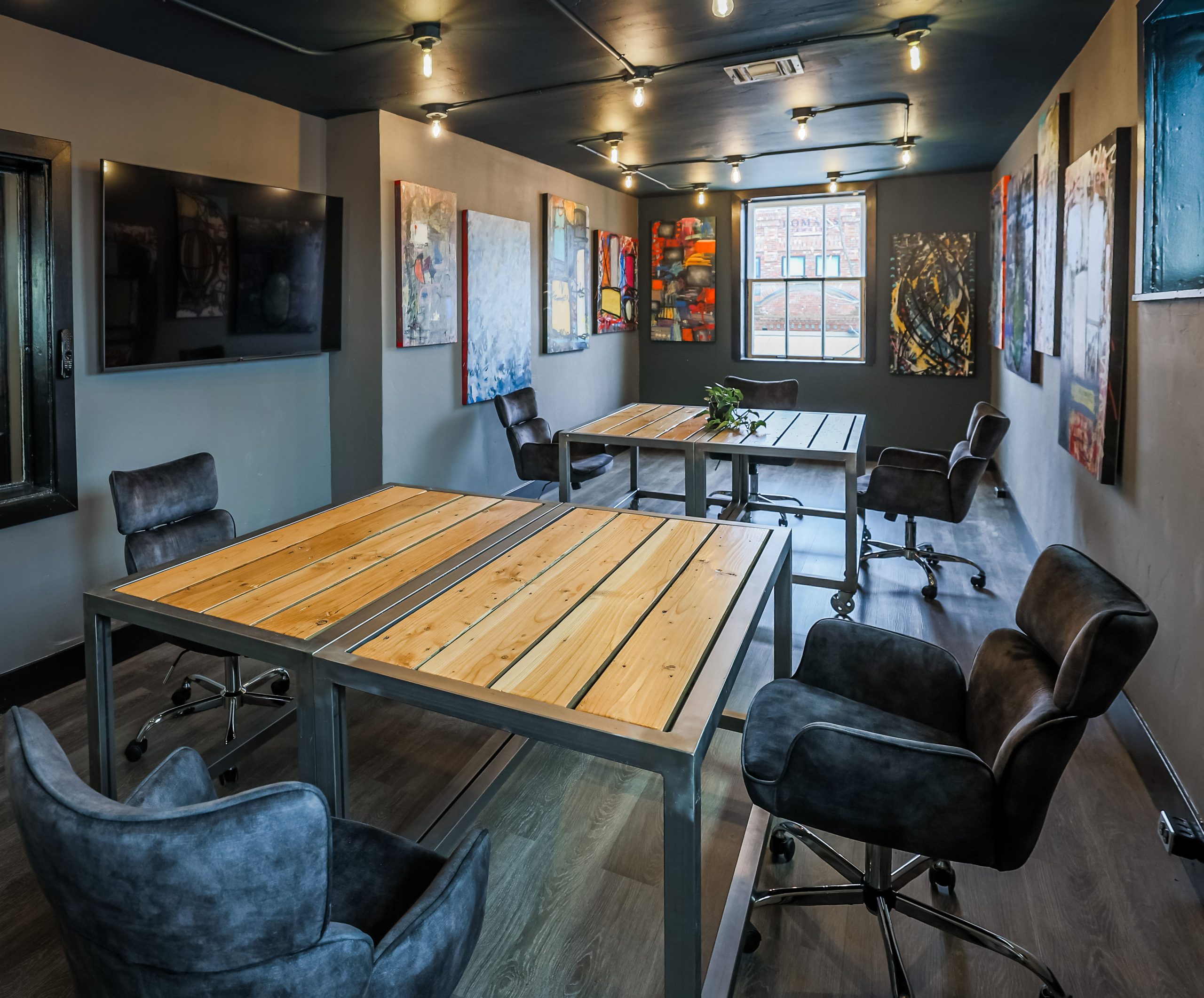
You manage team culture across a distributed satellite office with regular syncs, professional offsite meetings, and shared digital infrastructure that closes the physical gap. The local team also needs a high-quality home base so they feel fully integrated into the company, not like second-class citizens compared to HQ.
This is where a lot of satellite office strategies either work or quietly fail. A regional office cannot be treated like overflow seating. If HQ gets polished rooms, dependable AV, strong connectivity, and a clear operating rhythm, the outpost needs the same standard. Otherwise the local squad starts to feel like an afterthought. That feeling spreads fast. It affects morale, communication quality, and eventually retention.
The fix is straightforward, but it requires discipline. Set regular team syncs that include both HQ and the Folsom office. Use weekly planning meetings, recurring manager check-ins, and clear documentation habits so information does not pool at headquarters. Then anchor that remote rhythm with intentional in-person time. Quarterly strategy sessions, sprint retrospectives, hiring interviews, and cross-functional working sessions land better in a professional meeting environment than in a noisy cafe or a patchwork home-office setup.
Shared digital infrastructure is the other non-negotiable. The local office should plug into the same systems, security standards, conferencing tools, and support expectations as the rest of the company. When the room audio works, the display sharing is instant, the network is stable, and access is secure, the distributed team stops fighting logistics and starts acting like one company. That's the real job of a satellite office: not just to give people desks, but to preserve operating cohesion across distance.
What should founders look for in a Sacramento-area workspace?
Founders and distributed team leads should look for flexible lease terms, turnkey IT infrastructure, professional meeting facilities, and an independent community ethos rather than corporate bureaucracy. Granite City Workspaces was built by operators, for operators, meaning you deal directly with decision-makers who understand the pace of modern business.
For engineering teams, "nice office" is not the bar. Reliability is the bar. If your team depends on video calls, cloud environments, secure access, large file transfers, and uninterrupted development time, then smart-building technology is non-negotiable. That means dependable connectivity, strong Wi-Fi coverage, secure network design, fast troubleshooting, controlled access, and conference rooms that work the first time. Teams lose trust in a workspace quickly when they have to babysit the basics.
This is why the infrastructure side matters so much. Through FollowThrough Works, Granite City brings smart-building discipline into the workspace environment. That means the office is designed to support real business operations, not just look polished in photos. For technical teams, that difference is tangible. A founder may only notice the room once. An engineering manager notices every dropped call, weak upload, awkward hybrid standup, and delay in getting a new team member fully connected. Good infrastructure removes those frictions before they become culture problems.
Whether you need a dedicated private office for a 5-person engineering squad or a professional setting for quarterly board reviews, your physical workspace should elevate your brand. When hosting client pitches or cross-functional team syncs, having access to professional boardrooms is non-negotiable. Read How to Choose the Best Meeting Room in Folsom for Your Next Strategic Offsite to evaluate acoustic privacy, display technology, and room capacities before booking your next session.
Founders should also ask simple operator questions before signing anything. How fast can a new employee be onboarded into the office? How stable is the network during back-to-back video meetings? Can the workspace support private conversations with candidates, customers, or board members? Is there a real human to call when something matters? Those are better filters than trendy design language or generic amenity lists.
Ready to establish your team's North California outpost without the enterprise lease burden? Explore our private offices and workspaces or Book your free trial today to experience Granite City Workspaces firsthand.
What is a satellite office?
A satellite office is a secondary workspace maintained by a company outside its main headquarters to accommodate distributed teams and regional markets.
Why are Bay Area tech companies expanding to Folsom?
Companies are choosing Folsom to access top-tier engineering talent living along the Highway 50 corridor while drastically reducing Bay Area real estate overhead.
How do you maintain culture across a satellite office?
Regular syncs, professional offsite meetings, and shared digital infrastructure help distributed teams stay aligned so the regional office feels fully integrated with headquarters.
How do team private offices work at Granite City Workspaces?
Our private office memberships provide turnkey, smart-building private suites for teams of 3 to 15 seats with enterprise-grade IT infrastructure.
Can we tour the workspace before booking a satellite office?
Yes, you can schedule a tour or take advantage of our free trial to experience our operator-owned workspace firsthand.
Leave a Reply